

Why You’ll Love This Ravioli
Ravioli offers a delightful mix of flavors and textures that makes it a favorite for many home cooks. This recipe stands out for its straightforward preparation, transforming simple ingredients into a hearty meal. With common fillings such as ricotta cheese mixed with spinach and herbs, as seen in regions like Tuscany and Emilia-Romagna, or ricotta combined with grated lemon rind from Liguria, you can explore Italian traditions right in your kitchen.
One key benefit is the ease of preparation, which suits busy parents and working professionals who need quick yet satisfying dishes. Health benefits come from using fresh ingredients, providing a balanced mix of protein from cheese and vitamins from greens. The versatility allows adaptations for various dietary needs, making it ideal for students, diet-conscious individuals, or food enthusiasts experimenting with flavors.
Beyond its nutritional value, ravioli’s distinctive taste comes from fillings like ricotta without parsley, popular in Sardinia, or other options with green herbs mixed with eggs and cheese. This dish adapts easily to seasonal sauces, such as lighter tomato sauce in summer or richer cream-based ones in winter. Overall, it’s a rewarding recipe that brings people together, perfect for family dinners or gatherings.
Benefits at a Glance
- Simple steps reduce cooking time while keeping flavors bold.
- Nutrient-rich fillings support daily wellness goals.
- Customizable for vegan, gluten-free, or low-calorie preferences.
- Rich taste profiles enhance any meal occasion.
Homemade ravioli preparation typically takes 1 to 2 hours, including dough making and cooking, so it’s manageable for beginners. For more dessert ideas to complement your ravioli meal, check out our apple crisp recipe for a sweet finish.
Jump to:
- Why You’ll Love This Ravioli
- Benefits at a Glance
- Essential Ingredients for Ravioli
- Main Ingredients List
- How to Prepare the Perfect Ravioli: Step-by-Step Guide
- Tips for Success
- Dietary Substitutions to Customize Your Ravioli
- Mastering Ravioli: Advanced Tips and Variations
- Variation Ideas
- How to Store Ravioli: Best Practices
- FAQs: Frequently Asked Questions About Ravioli
- What is ravioli and how is it different from other pasta types?
- How do I cook frozen ravioli properly?
- What are some popular ravioli fillings I can try at home?
- Can ravioli be made gluten-free and how?
- How should I store fresh ravioli and how long does it last?
- Ravioli
- Ingredients
- Instructions
- Last Step:
- Notes
- Nutrition
- Did you make this recipe?
Essential Ingredients for Ravioli
Gathering the right ingredients is crucial for making authentic ravioli. Ravioli is a type of filled pasta made from thin dough typically consisting of flour and water, sometimes including eggs. The dough requires precise measurements to ensure the perfect texture, while fillings vary based on regional traditions.
To create the dough, start with basic items that form a tender base. Below is a comprehensive list of ingredients extracted from the provided details, formatted for clarity. Each item includes its precise measurement to help you prepare accurately.
Main Ingredients List
- 200 grams of flour – Forms the base of the dough for the pasta sheets.
- 1 large egg – Added to bind the dough and enhance richness.
- Additional water as needed – Used to adjust dough consistency for rolling.
- 250 grams of ricotta cheese – Serves as the creamy base for the filling.
- Spinach or herbs to taste – Mixed into the filling for added flavor and nutrition.
- Salt and pepper – Season the filling to balance flavors.
This structured list ensures you have every item needed, making it easy to follow. For special dietary options, consider substitutions like plant-based ricotta for vegan versions or gluten-free flour blends.
How to Prepare the Perfect Ravioli: Step-by-Step Guide
Preparing ravioli involves a few key steps that result in a delicious filled pasta. The process starts with making the dough from about 200 grams of flour and 1 large egg, with additional water as needed, then rolling it thinly. Once ready, the filling is prepared by mixing roughly 250 grams of ricotta with spinach or herbs, seasoned with salt and pepper.
First, combine the flour and salt, add the egg, and knead until smooth, then let the dough rest for 30 minutes. Next, roll out the dough thinly using a pasta machine or rolling pin to create even sheets. Third, prepare the filling by mixing ricotta, herbs, and seasonings in a bowl.
Fourth, place small portions of filling on one sheet of dough, cover with another sheet, and press to seal the edges. Fifth, cut the ravioli into shapes, ensuring the edges are tightly sealed to prevent leakage. Sixth, boil in salted water for several minutes until tender, typically 3-4 minutes. Finally, drain and serve with sauces like tomato in summer or cream-based in winter.
Tips for Success
- Use fresh, high-quality ingredients to enhance flavor.
- Roll the dough thinly to avoid toughness during cooking.
- Cook in gently boiling water to maintain the ravioli’s shape.
- Frying is an option in some regions for added fat content, though boiling keeps it light.
Ravioli can be prepared in advance and stored or frozen, which is helpful for busy schedules. While this guide covers the basics, exploring more recipe variations might inspire your next meal; for instance, try our strawberry shortcake as a refreshing dessert pairing.

Dietary Substitutions to Customize Your Ravioli
Adapting ravioli for different diets is simple and allows everyone to enjoy this Italian staple. Common fillings like ricotta mixed with spinach can be swapped based on preferences, such as using ricotta with grated lemon rind for a Ligurian twist. These changes ensure the dish remains versatile for home cooks and dietary needs.
For protein alternatives, replace ricotta cheese with silken tofu or cooked lentils. Vegetable options include swapping spinach with kale for seasonal variety. Sauces can vary, like opting for herb-infused oils instead of tomato-based ones.
| Dietary Need | Substitution Option |
|---|---|
| Vegan | Use plant-based ricotta and flaxseed for the dough |
| Gluten-Free | Substitute with gluten-free flour blends |
| Low-Calorie | Increase vegetables and use low-fat cheese |
These modifications help maintain the dish’s appeal while fitting various lifestyles, such as for travelers or newlyweds experimenting in the kitchen.
Mastering Ravioli: Advanced Tips and Variations
Once you master the basics, advanced techniques can elevate your ravioli game. For instance, using a pasta machine ensures even rolling thickness, and chilling the dough improves its elasticity, preventing cracks. Experiment with fillings like mushrooms and truffle oil for a gourmet touch or butternut squash and sage for seasonal flavors.
Presentation plays a key role; plate ravioli on vibrant sauces and top with microgreens for visual appeal. Make-ahead options include freezing uncooked ravioli in batches, which is ideal for party hosts. Ravioli’s regional variations, such as those in Sardinia with simple ricotta, add cultural depth to your cooking.
Variation Ideas
- Try fillings with green herbs and eggs for a classic Italian taste.
- Combine cheese with regional herbs for authentic flavors.
- Adjust for dietary needs while keeping the dough light and sealed.
When preparing ravioli, always use fresh ingredients and seal edges carefully to prevent filling leakage, as recommended for the best results.
How to Store Ravioli: Best Practices
Proper storage keeps ravioli fresh and ready for quick meals. Store cooked ravioli in an airtight container in the refrigerator for up to 3 days, or freeze uncooked ones on a tray before bagging for up to 2 months. Reheating by simmering helps maintain the texture without sogginess.
Meal prep is easy with ravioli, allowing baking enthusiasts and seniors to plan ahead. Freezing in single layers with parchment paper prevents sticking, and always cook from frozen to preserve shape. This method ties into homemade preparation tips, ensuring your efforts don’t go to waste.
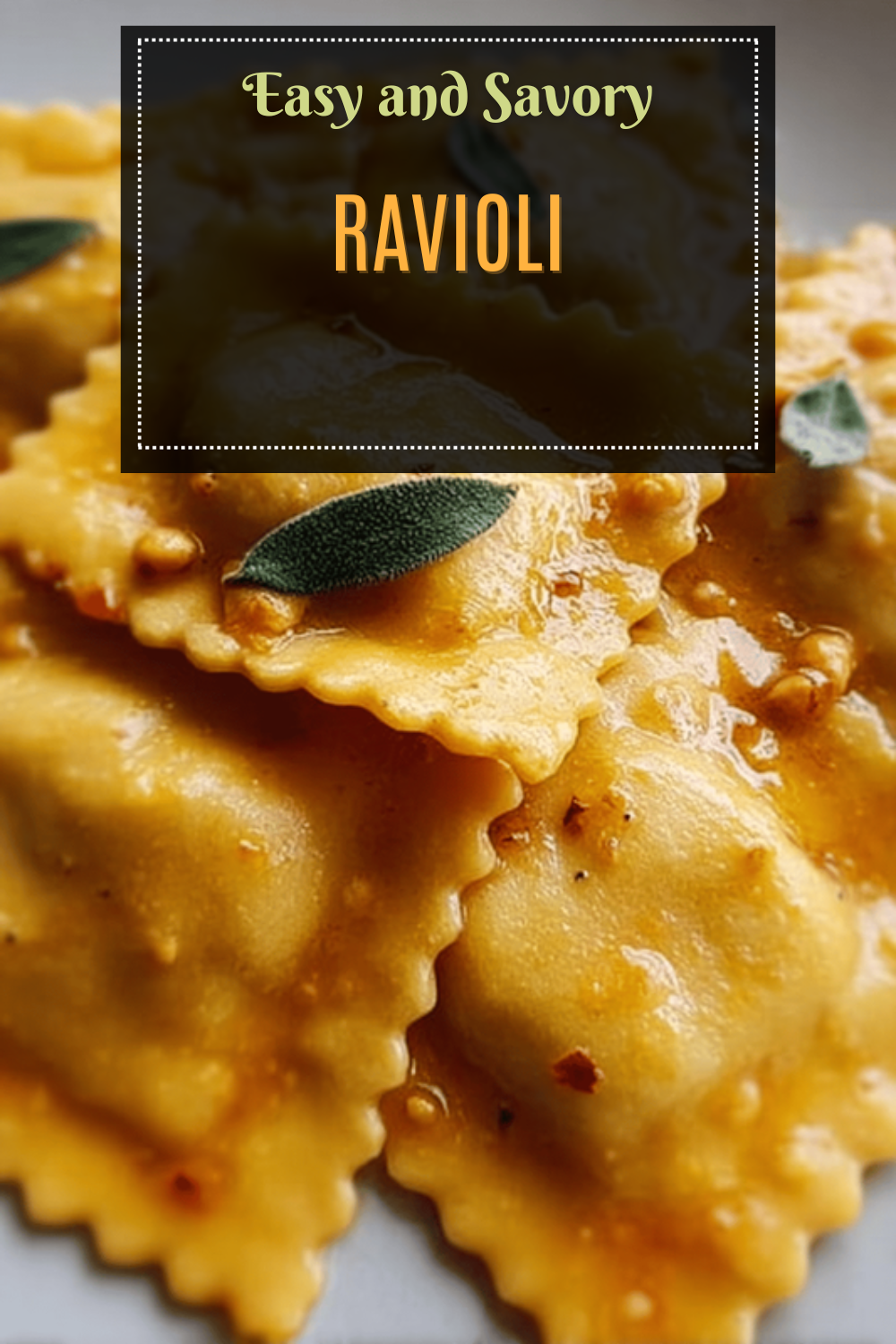
FAQs: Frequently Asked Questions About Ravioli
What is ravioli and how is it different from other pasta types?
Ravioli is a type of filled pasta consisting of small square or round pockets made from thin sheets of dough, typically filled with ingredients like cheese, meat, or vegetables. Unlike plain pasta such as spaghetti or penne, ravioli contains a stuffing inside, which adds flavor and texture. It is often served with sauce and can be boiled or baked. The fillings and sauces vary widely, making ravioli versatile in Italian cuisine.
How do I cook frozen ravioli properly?
To cook frozen ravioli, bring a large pot of salted water to a boil. Add the frozen ravioli gently to avoid sticking, then cook for about 4-6 minutes or until they float to the surface. Floating indicates they are fully cooked. Drain carefully and serve with your favorite sauce. Avoid overcooking to maintain the pasta’s texture and prevent the filling from leaking.
What are some popular ravioli fillings I can try at home?
Popular ravioli fillings include ricotta cheese mixed with spinach, ground beef with herbs, mushroom and garlic, or butternut squash with sage. For a unique twist, some use goat cheese, lobster, or pumpkin. When making homemade ravioli, ensure fillings are well-drained to prevent soggy pasta and season fillings properly to enhance flavor.
Can ravioli be made gluten-free and how?
Yes, ravioli can be made gluten-free by using gluten-free flour blends or alternative flours like rice, almond, or chickpea flour to make the pasta dough. It’s important to adjust the dough’s moisture and kneading time since gluten-free dough behaves differently. Also, choose gluten-free fillings and sauces to keep the dish free of gluten for those with celiac disease or intolerance.
How should I store fresh ravioli and how long does it last?
Fresh ravioli should be stored in an airtight container in the refrigerator and used within 1-2 days for optimal freshness. To freeze fresh ravioli, arrange them in a single layer on a baking sheet and freeze until solid, then transfer to a freezer-safe bag. Frozen ravioli can last up to 2 months. When cooking frozen ravioli, do not thaw before boiling to maintain texture.

Ravioli
🍝 Enjoy the authentic taste of Italy with homemade ravioli, tailored to your favorite fillings and sauces.
🥬 Savor the delightful combination of tender pasta and rich, flavorful fillings that can suit any season or preference.
- Total Time: 1 hour 5 minutes
- Yield: 4 servings
Ingredients
– 200 grams flour for the dough
– 1 large egg for binding and richness
– Additional water as needed for dough consistency
– 250 grams ricotta cheese for the filling
– Spinach or herbs to taste for flavor and nutrition
– Salt and pepper for seasoning the filling
Instructions
1-First: combine the flour and salt, add the egg, and knead until smooth, then let the dough rest for 30 minutes.
2-Next: roll out the dough thinly using a pasta machine or rolling pin to create even sheets.
3-Third: prepare the filling by mixing ricotta, herbs, and seasonings in a bowl.
4-Fourth: place small portions of filling on one sheet of dough, cover with another sheet, and press to seal the edges.
5-Fifth: cut the ravioli into shapes, ensuring the edges are tightly sealed to prevent leakage.
6-Sixth: boil in salted water for several minutes until tender, typically 3-4 minutes.
7-Finally: drain and serve with sauces like tomato in summer or cream-based in winter.
Last Step:
Please leave a rating and comment letting us know how you liked this recipe! This helps our business to thrive and continue providing free, high-quality recipes for you.Notes
🧄 Use fresh herbs to enhance the filling’s flavor naturally.
💧 Roll the dough as thin as possible to keep ravioli tender, but not so thin that it breaks.
🥘 Boil gently to prevent ravioli from bursting and to maintain shape during cooking.
- Prep Time: 30 minutes
- Resting Time: 30 minutes
- Cook Time: 5 minutes
- Category: Main Course
- Method: Boiling
- Cuisine: Italian
- Diet: Vegetarian
Nutrition
- Serving Size: 1 serving
- Calories: 320 kcal
- Sugar: 2 g
- Sodium: 250 mg
- Fat: 15 g
- Saturated Fat: 7 g
- Unsaturated Fat: 6 g
- Trans Fat: 0 g
- Carbohydrates: 35 g
- Fiber: 3 g
- Protein: 12 g
- Cholesterol: 80 mg