
Why You’ll Love This Meat Sauce With Hidden Vegetables
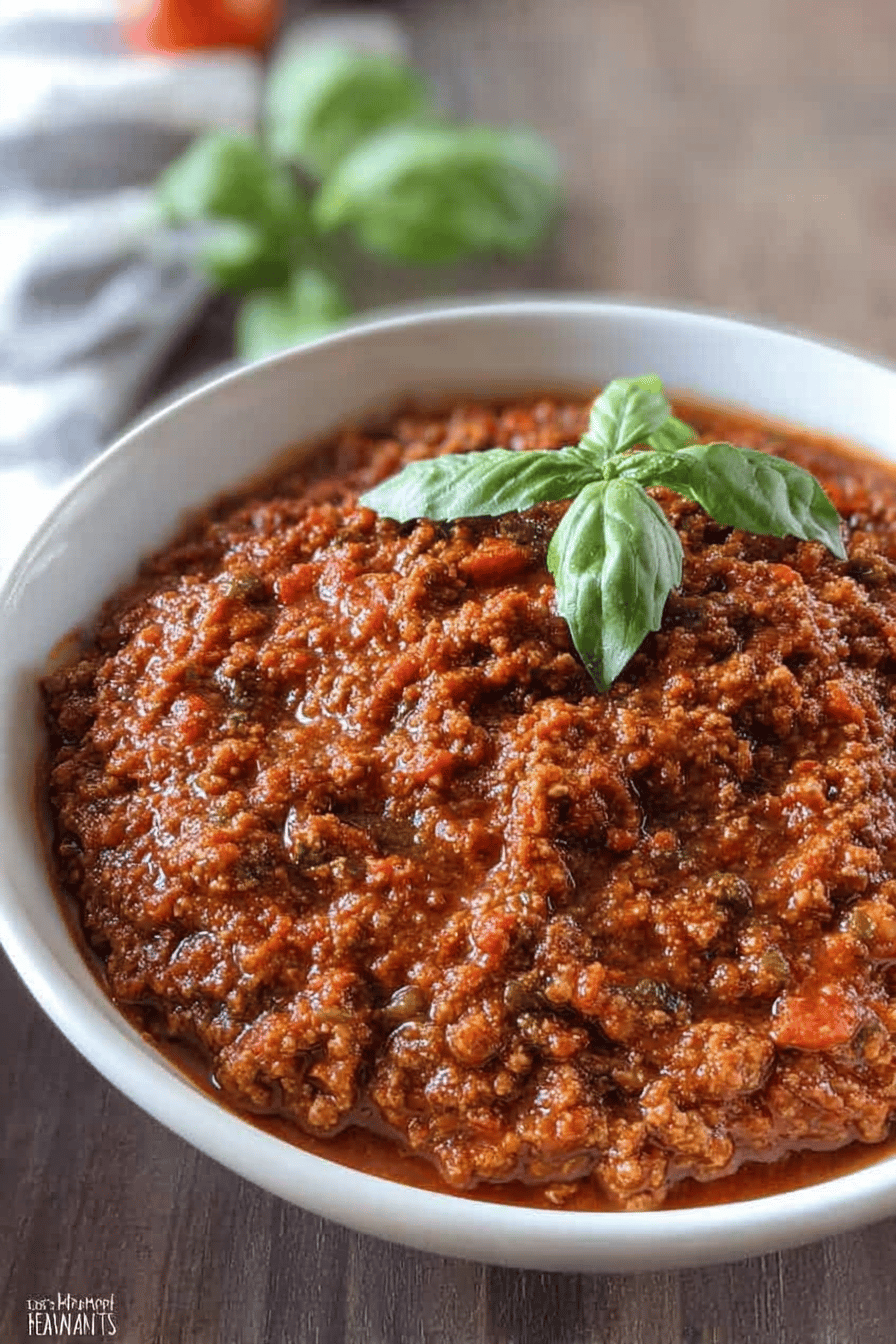
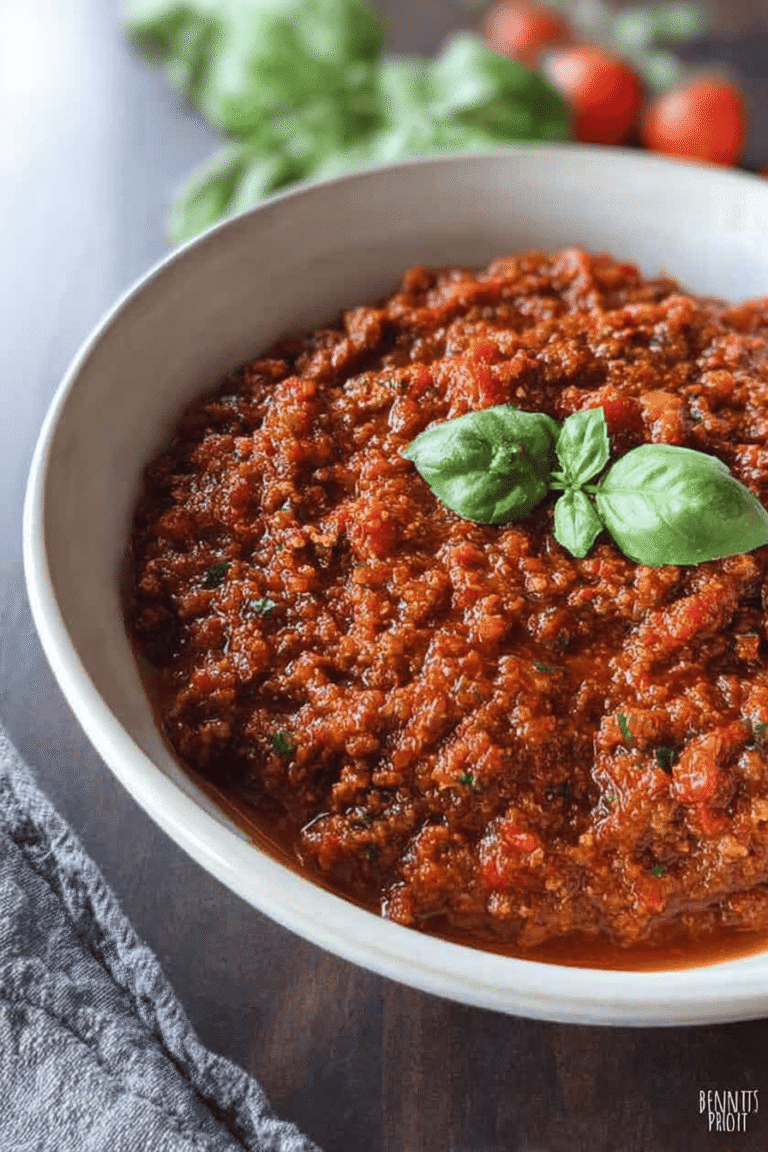
This meat sauce with hidden vegetables is a game-changer for family meals, blending nutrition and taste in a way that’s easy to prepare. Packed with veggies like carrots, celery, red bell pepper, onion, and spinach, it’s pureed to add vitamins and fiber without any strong flavors standing out. Whether you’re dealing with picky eaters or just aiming for a healthier dinner, this recipe keeps things simple and delicious.
One of the best parts is how quickly it comes together, making it ideal for busy nights. The sauce offers a hearty meat base that pairs well with spaghetti, lasagna, or even stuffed peppers, adding bulk and subtle sweetness from the hidden veggies. Plus, it’s versatile enough to freeze for later, helping you save time while keeping meals nutritious and satisfying.
- Ease of preparation: With straightforward steps and common ingredients, you can have this sauce ready in under 50 minutes, perfect for busy weeknights.
- Health benefits: The hidden vegetables boost your intake of essential vitamins, minerals, and fiber, supporting overall wellness without changing the sauce’s rich flavor.
- Versatility: Adapt it for different needs, like vegan options or gluten-free tweaks, and enjoy it with various dishes from pasta to roasted veggies.
- Distinctive flavor: The mix of savory meat and finely blended vegetables creates a unique depth that makes every bite more enjoyable.
This approach not only makes mealtime fun but also ensures everyone gets a dose of nutrients in a way that feels effortless and rewarding.
Jump to:
- Why You’ll Love This Meat Sauce With Hidden Vegetables
- Essential Ingredients for Meat Sauce With Hidden Vegetables
- How to Prepare the Perfect Meat Sauce With Hidden Vegetables: Step-by-Step Guide
- Dietary Substitutions to Customize Your Meat Sauce With Hidden Vegetables
- Mastering Meat Sauce With Hidden Vegetables: Advanced Tips and Variations
- How to Store Meat Sauce With Hidden Vegetables: Best Practices
- FAQs: Frequently Asked Questions About Meat Sauce With Hidden Vegetables
- How can I hide vegetables in meat sauce without affecting the taste?
- What are the best vegetables to add to meat sauce for extra nutrition?
- Can I prepare meat sauce with hidden vegetables ahead of time and freeze it?
- How do hidden vegetables in meat sauce benefit picky eaters?
- What is a simple step-by-step method for making meat sauce with hidden vegetables?
- Meat Sauce With Hidden Vegetables
- Ingredients
- Instructions
- Last Step:
- Notes
- Nutrition
- Did you make this recipe?
Essential Ingredients for Meat Sauce With Hidden Vegetables
Creating this meat sauce starts with selecting the right ingredients to build a nutritious and flavorful base. The key is using fresh produce that’s pureed to hide it seamlessly, adding health benefits while keeping the taste focused on the meat and tomatoes. Below is a complete list of everything you need, pulled directly from the recipe for accuracy.
- 1 pound lean ground beef
- 1 tablespoon extra virgin olive oil
- 2 carrots, chopped
- 1 large stalk celery, chopped
- 1 small red bell pepper, seeded and chopped
- 1 small yellow onion, chopped
- 3 cloves garlic
- 3 heaping handfuls fresh baby spinach
- 1 teaspoon salt
- ¼ teaspoon ground black pepper
- 1 teaspoon dried Italian seasoning
- 2 jars (25 oz each) marinara sauce
- 1 can (28 oz) crushed tomatoes
- 1 bay leaf
- Pinch of sugar (optional)
These ingredients come together to make about 2 quarts of sauce, with options for special dietary needs like swapping meat for plant-based alternatives. For more ideas on customizing ingredients, check out our guide to healthy substitutes on the site.
How to Prepare the Perfect Meat Sauce With Hidden Vegetables: Step-by-Step Guide
Getting the hang of meat sauce with hidden vegetables is all about simple steps that turn everyday ingredients into a family favorite. Start by gathering your veggies and meat, then follow along to puree and simmer everything just right. This method ensures the vegetables blend in smoothly, making it a sneaky way to add nutrition.
First, prepare all vegetables by washing, peeling, and finely chopping or grating them as needed. Heat olive oil in a large pan over medium heat, add garlic and onion, and sauté until translucent, about 3-4 minutes. Add the ground beef and cook until browned, stirring to break it apart, which takes roughly 7-8 minutes.
Next, incorporate the pureed vegetables made by blending carrots, celery, red bell pepper, onion, garlic, and spinach until mostly smooth and cook until the liquid evaporates. Then, stir in salt, black pepper, Italian seasoning, marinara sauce, crushed tomatoes, bay leaf, and a pinch of sugar if desired. Simmer partially covered for 30 minutes, adjusting seasonings to taste for the best flavor.
This recipe takes about 20 minutes to prep and 30 minutes to cook, yielding around 2 quarts. For those looking to explore more cooking techniques, our advanced tips section has great ideas to enhance your skills.

Dietary Substitutions to Customize Your Meat Sauce With Hidden Vegetables
Making meat sauce with hidden vegetables adaptable means you can tweak it for different tastes and needs without losing its charm. Whether you’re going vegan or cutting calories, small changes keep the dish hearty and nutritious. These swaps let you use what’s on hand while maintaining that rich flavor profile.
Protein and main component alternatives include swapping ground beef with ground turkey, chicken, or even plant-based crumbles for a leaner option. For a vegan twist, lentils or textured vegetable protein work wonders to keep the protein levels up. Vegetable, sauce, and seasoning modifications might involve replacing spinach with kale or Swiss chard, and using canned crushed tomatoes instead of fresh ones when needed.
- Adjust seasoning by adding smoked paprika or chili flakes for extra kick.
- These changes make the sauce flexible for various dietary restrictions, like gluten-free by checking all tomato products.
- Remember, mushrooms are a suggested addition to boost flavor and nutrition.
This customization keeps meals exciting and accessible for everyone in the family.
Mastering Meat Sauce With Hidden Vegetables: Advanced Tips and Variations
Once you have the basics down, taking meat sauce with hidden vegetables to the next level involves some clever techniques and creative twists. Browning the meat thoroughly adds depth, while deglazing the pan with broth can capture extra flavors. Experimenting with herbs like basil or thyme brings new layers to the dish.
Flavor variations could include a pinch of nutmeg for warmth or hot sauce for a spicy edge. For presentation, serve it over pasta or spiralized veggies and top with grated cheese. If you’re planning ahead, make a big batch and freeze portions for easy weeknight meals.
| Tips Category | Ideas |
|---|---|
| Pro Cooking | Brown meat well and deglaze for richer taste |
| Flavor Ideas | Add herbs or spices like oregano |
| Presentation | Garnish with olive oil or herbs |
| Make-Ahead | Freeze in portions for convenience |
These pro tips make your sauce stand out and fit any occasion.
How to Store Meat Sauce With Hidden Vegetables: Best Practices
Proper storage keeps your meat sauce with hidden vegetables fresh and ready for another meal. Store it in airtight containers in the fridge for up to 4 days to lock in flavors. For longer keep, freeze it in bags for up to 3 months, always labeling with the date.
When reheating, warm it slowly on the stove or in the microwave to maintain that great texture. Batch cooking in single servings makes it simple for busy days, ensuring you always have a healthy option on hand. This sauce’s family-friendly nature means it’s perfect for meal prep routines.
FAQs: Frequently Asked Questions About Meat Sauce With Hidden Vegetables
How can I hide vegetables in meat sauce without affecting the taste?
To hide vegetables in meat sauce without changing the flavor, finely chop or puree vegetables like carrots, zucchini, or bell peppers before cooking. Sauté them with onions and garlic, allowing their flavors to blend seamlessly into the sauce. Using milder vegetables and balancing with herbs and spices will ensure the sauce tastes rich and hearty while adding extra nutrients.
What are the best vegetables to add to meat sauce for extra nutrition?
The best vegetables to add to meat sauce include carrots, zucchini, mushrooms, spinach, and bell peppers. These vegetables soften well when cooked and have mild flavors that complement meat sauce. Carrots add natural sweetness and beta-carotene, while spinach boosts iron and vitamins. Mushrooms offer umami depth, making the sauce more flavorful and nutritious.
Can I prepare meat sauce with hidden vegetables ahead of time and freeze it?
Yes, meat sauce with hidden vegetables freezes well. Allow the sauce to cool completely before transferring it to airtight containers or freezer bags. Label with the date and store for up to three months. When reheating, thaw overnight in the refrigerator and warm gently on the stovetop, stirring occasionally for even heating.
How do hidden vegetables in meat sauce benefit picky eaters?
Adding hidden vegetables to meat sauce is a practical way to introduce more nutrients to picky eaters who resist eating vegetables on their own. The finely chopped or pureed veggies blend into the sauce’s texture and flavor, making them less noticeable. This helps children or hesitant adults receive essential vitamins and fiber without the usual mealtime battles.
What is a simple step-by-step method for making meat sauce with hidden vegetables?
Start by finely chopping or pureeing vegetables like carrots and zucchini. In a pan, sauté onions and garlic in olive oil until translucent. Add the vegetables and cook for 5 minutes. Next, brown ground meat and combine with the vegetable mixture. Pour in canned tomatoes or tomato sauce, season with salt, pepper, and herbs. Simmer for 20-30 minutes, stirring occasionally, until thickened and flavors melded. Serve over pasta or use in recipes.
Meat Sauce With Hidden Vegetables
🍝 Enjoy a flavorful meat sauce packed with hidden vegetables for a nutritious boost that even picky eaters will love.
🥕 This recipe adds vital nutrients seamlessly to your meals, making it perfect for healthy family dinners with classic comfort food appeal.
- Total Time: 50 minutes
- Yield: Approximately 2 quarts
Ingredients
– 1 pound lean ground beef
– 1 tablespoon extra virgin olive oil
– 2 carrots, chopped
– 1 large stalk celery, chopped
– 1 small red bell pepper, seeded and chopped
– 1 small yellow onion, chopped
– 3 cloves garlic
– 3 heaping handfuls fresh baby spinach
– 1 teaspoon salt
– ¼ teaspoon ground black pepper
– 1 teaspoon dried Italian seasoning
– 2 jars (25 oz each) marinara sauce
– 1 can (28 oz) crushed tomatoes
– 1 bay leaf
– Pinch of sugar (optional)
Instructions
1-First, prepare all vegetables by washing, peeling, and finely chopping or grating them as needed.
2-Heat olive oil in a large pan over medium heat, add garlic and onion, and sauté until translucent, about 3-4 minutes.
3-Add the ground beef and cook until browned, stirring to break it apart, which takes roughly 7-8 minutes.
4-Next, incorporate the pureed vegetables made by blending carrots, celery, red bell pepper, onion, garlic, and spinach until mostly smooth and cook until the liquid evaporates.
5-Then, stir in salt, black pepper, Italian seasoning, marinara sauce, crushed tomatoes, bay leaf, and a pinch of sugar if desired.
6-Simmer partially covered for 30 minutes, adjusting seasonings to taste for the best flavor.
Last Step:
Please leave a rating and comment letting us know how you liked this recipe! This helps our business to thrive and continue providing free, high-quality recipes for you.Notes
🌿 Puree vegetables finely to hide them well for picky eaters.
🥫 This sauce freezes well; portion and store leftovers for quick future meals.
🍄 Mushrooms can be added for extra flavor and nutrition without overpowering the sauce.
- Prep Time: 20 minutes
- undefined: undefined
- Cook Time: 30 minutes
- Category: Main Dish
- Method: Simmering
- Cuisine: Italian
Nutrition
- Calories: 90
- Sugar: 1 g
- Sodium: 276 mg
- Fat: 3 g
- Saturated Fat: 1 g
- Carbohydrates: 3 g
- Protein: 10 g
- Cholesterol: 28 mg