
Why You’ll Love This Island Pork Tenderloin
This island pork tenderloin recipe is a go-to for anyone wanting a meal that’s full of excitement without taking forever to make. Imagine pulling together a dish full of tropical vibes in just about 30 minutes, making it ideal for busy evenings when you’re craving something special. You’ll appreciate how this recipe brings a sweet and spicy twist with ingredients like cinnamon, cumin, and a hint of chili powder that dance on your taste buds.
One of the best parts is the health angle; it’s packed with protein from the pork, which helps support your energy levels throughout the day. For folks watching their diets, this dish fits right in with its balance of flavors that keep things nutritious yet delicious. It’s easy to see why home cooks and food enthusiasts alike fall for this recipe it’s simple, satisfying, and brings a touch of island flair to your table.
Plus, this island pork tenderloin shines because it’s so versatile for different lifestyles. Whether you’re cooking for a family dinner or tweaking it for a solo meal, the flavors adapt beautifully. If you’re new to trying island flavors, this pork tenderloin recipe offers a fun way to explore without overwhelming your kitchen skills.
Key Benefits at a Glance
- Quick prep and cook time, perfect for busy parents and working professionals.
- High in protein to fuel active days for students and travelers.
- Easy swaps for dietary needs, appealing to diet-conscious individuals and seniors.
- A burst of tropical flavors that party hosts can serve at gatherings.
As you dive into making island pork tenderloin, remember it connects with everyone from baking enthusiasts to those just starting out in the kitchen. For more dessert ideas to pair with your meal, check out our frozen coconut limeade recipe that adds a refreshing twist.
Jump to:
- Why You’ll Love This Island Pork Tenderloin
- Key Benefits at a Glance
- Essential Ingredients for Island Pork Tenderloin
- Main Ingredients
- Rub Ingredients
- Glaze Ingredients
- How to Prepare the Perfect Island Pork Tenderloin: Step-by-Step Guide
- Adding the Glaze and Baking
- Tips for Success
- Dietary Substitutions to Customize Your Island Pork Tenderloin
- Adapting for Health Goals
- Mastering Island Pork Tenderloin: Advanced Tips and Variations
- Make It Ahead
- How to Store Island Pork Tenderloin: Best Practices
- FAQs: Frequently Asked Questions About Island Pork Tenderloin
- What is the best internal temperature to cook island pork tenderloin?
- How long should I bake pork tenderloin at 350 degrees?
- How can I keep my pork tenderloin moist and flavorful?
- Should I cover pork tenderloin with foil while baking?
- What side dishes pair well with island pork tenderloin?
- Island Pork Tenderloin
- Ingredients
- Instructions
- Last Step:
- Notes
- Nutrition
- Did you make this recipe?
Essential Ingredients for Island Pork Tenderloin
Gathering the right ingredients is key to nailing this island pork tenderloin recipe, and we’ve got everything laid out for you in a simple list. This setup makes it a breeze to shop and measure, ensuring your dish turns out just right every time. Let’s break down what you’ll need, straight from the recipe details, so you can focus on the fun of cooking.
Main Ingredients
- 1 to 1 ½ pounds pork tenderloin (one medium-large or two small pieces)
- 2 tablespoons olive oil
Rub Ingredients
- 2 teaspoons salt
- 1 teaspoon cinnamon
- 1 teaspoon cumin
- 1 teaspoon chili powder
- ½ teaspoon black pepper
Glaze Ingredients
- ¾ cup brown sugar (dark or light)
- 2 teaspoons minced garlic
- 1 tablespoon spicy sauce (or hot sauce as a substitute)
These ingredients come together to create that signature sweet and spicy glaze, making your island pork tenderloin truly stand out. Remember, using fresh items like minced garlic adds that extra pop of flavor you’re after.
How to Prepare the Perfect Island Pork Tenderloin: Step-by-Step Guide
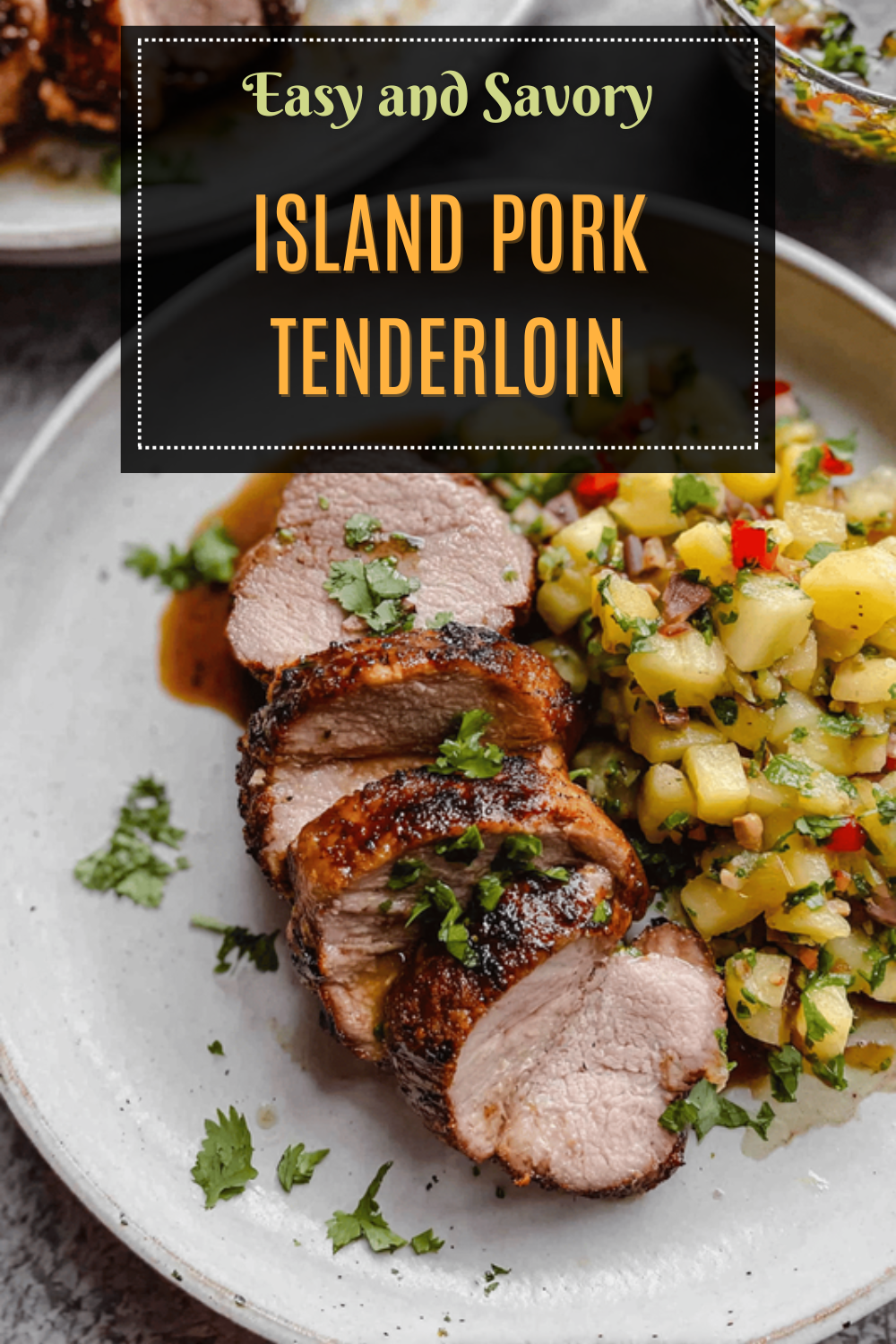
Getting started with this island pork tenderloin is easier than you might think, and we’ll walk through each step to make sure it’s a success. First off, preheat your oven to 350 degrees and get an oven-safe skillet ready by drizzling in 2 tablespoons of olive oil. Heat it on medium-high until it’s nice and hot, which sets the stage for a great sear.
Next, mix up the rub by whisking together 2 teaspoons salt, 1 teaspoon cinnamon, 1 teaspoon cumin, 1 teaspoon chili powder, and ½ teaspoon black pepper. Rub this flavorful mix all over your 1 to 1 ½ pounds of pork tenderloin, really working it into the meat for maximum taste. Once that’s done, pop the tenderloin into the hot skillet and sear it on all sides for about 3-4 minutes this locks in those juices and builds a tasty crust.
Adding the Glaze and Baking
Now for the fun part: whip up the glaze by combining ¾ cup brown sugar, 2 teaspoons minced garlic, and 1 tablespoon spicy sauce. Spread this sweet mixture over the seared pork, then slide the skillet into the oven. Bake it for around 20 minutes, checking that the internal temperature hits 145 degrees or until the center is no longer pink for that perfect juicy finish.
After baking, let the pork rest for 3-5 minutes this step is crucial as it helps the juices settle and keeps everything tender. Finally, slice the pork into 1-inch thick pieces and drizzle the glaze from the pan over the top before serving. To amp up your meal, try pairing it with a cool drink; for instance, our white chocolate raspberry trifle could make a delightful follow-up dessert.
Tips for Success
- If you don’t have an oven-safe skillet, sear in a regular one and move the pork to a greased baking pan.
- Watch the time closely to avoid overcooking, which keeps the meat moist.
- Feel free to adjust the spicy sauce if you want a milder kick.
This method not only brings out the tropical flavors in your island pork tenderloin but also makes the whole process straightforward. With prep time at just 5 minutes and cook time around 25 minutes, you’re looking at a total of 30 minutes to a fantastic meal.
As mentioned earlier, learning more about the benefits of pork can help you understand why it’s a smart choice for your diet. Following these steps ensures your island pork tenderloin with sweet tropical flavors turns out amazing every time, impressing everyone at your table.

Dietary Substitutions to Customize Your Island Pork Tenderloin
One of the great things about island pork tenderloin is how easy it is to tweak for different needs, and we’re here to guide you through some smart swaps. Start with the protein; if pork isn’t your thing, swap in firm tofu or tempeh for a vegan option that still soaks up those island flavors. For a leaner choice, chicken breast or turkey tenderloin works wonders while keeping the dish light and tasty.
When it comes to sauces and seasonings, get creative by replacing soy sauce with coconut aminos to make it soy-free and gluten-free. You could also switch pineapple juice for mango juice if that’s what you have on hand, adding a fresh twist to the tropical profile. Don’t forget to play with herbs like cilantro for an extra layer of flavor that fits various palates.
Adapting for Health Goals
For low-sodium versions, simply cut back on the salt in the rub to keep things balanced. These changes ensure your island pork tenderloin stays delicious and fits right into your lifestyle, whether you’re watching calories or avoiding certain allergens.
Mastering Island Pork Tenderloin: Advanced Tips and Variations
Taking your island pork tenderloin to the next level means trying out some pro techniques, like using sous vide for an even cook that keeps the meat super tender. Once it’s done in the water bath, give it a quick sear to get that perfect crust and lock in the flavors. This method is a game-changer for anyone wanting consistent results.
For flavor twists, mix in coconut milk to create a creamy sauce that enhances the tropical feel, or add Scotch bonnet peppers for a spicy edge that wakes up your taste buds. When it comes to serving, slice the pork thin and lay it out over grilled pineapple for a stunning look that wows your guests.
Make It Ahead
Plan smarter by marinating overnight to let those spices really sink in, making prep on busy days a snap. These tips help you master island pork tenderloin while keeping it fun and adaptable.
How to Store Island Pork Tenderloin: Best Practices
Proper storage keeps your island pork tenderloin tasting fresh, so start by putting leftovers in an airtight container and chilling them in the fridge within two hours. This way, you can enjoy it for up to 3-4 days without losing that great flavor. For longer keeps, wrap it tightly and freeze for up to three months it’s that simple.
When reheating, go low and slow in a skillet or oven to keep the meat from drying out. Think about slicing it ahead for easy portions, which makes meal prep even easier on those hectic days.
FAQs: Frequently Asked Questions About Island Pork Tenderloin
What is the best internal temperature to cook island pork tenderloin?
Cook island pork tenderloin until it reaches an internal temperature of 145°F (63°C). This temperature ensures the meat is safe to eat while remaining tender and juicy. Use a meat thermometer inserted into the thickest part of the tenderloin to check doneness. After reaching 145°F, let the meat rest for 3 to 5 minutes before slicing to allow the juices to redistribute.
How long should I bake pork tenderloin at 350 degrees?
Baking island pork tenderloin at 350°F typically takes about 20 to 25 minutes, depending on the size of the meat. Check the internal temperature starting at 20 minutes to avoid overcooking. Cooking at this moderate temperature helps avoid burning any glazes, such as a brown sugar glaze, while ensuring the meat cooks evenly.
How can I keep my pork tenderloin moist and flavorful?
To keep island pork tenderloin moist, avoid overcooking and let it rest after baking. You can also marinate the tenderloin before cooking or baste it with a glaze to lock in moisture. Resting the meat for 3 to 5 minutes before slicing allows the juices to settle inside, preventing dryness.
Should I cover pork tenderloin with foil while baking?
Covering pork tenderloin with foil is optional. Loosely tenting the meat with foil can help retain moisture and prevent the glaze from burning during baking. Avoid tightly covering the tenderloin, as condensation may cause the dish to become watery. Removing the foil in the last few minutes of baking can help achieve a nice crust.
What side dishes pair well with island pork tenderloin?
Island pork tenderloin pairs well with tropical or fresh sides such as pineapple salsa, coconut rice, or grilled vegetables. Light salads with citrus dressing and roasted sweet potatoes also complement the flavors. Including sides with contrasting textures and flavors enhances the overall meal experience.
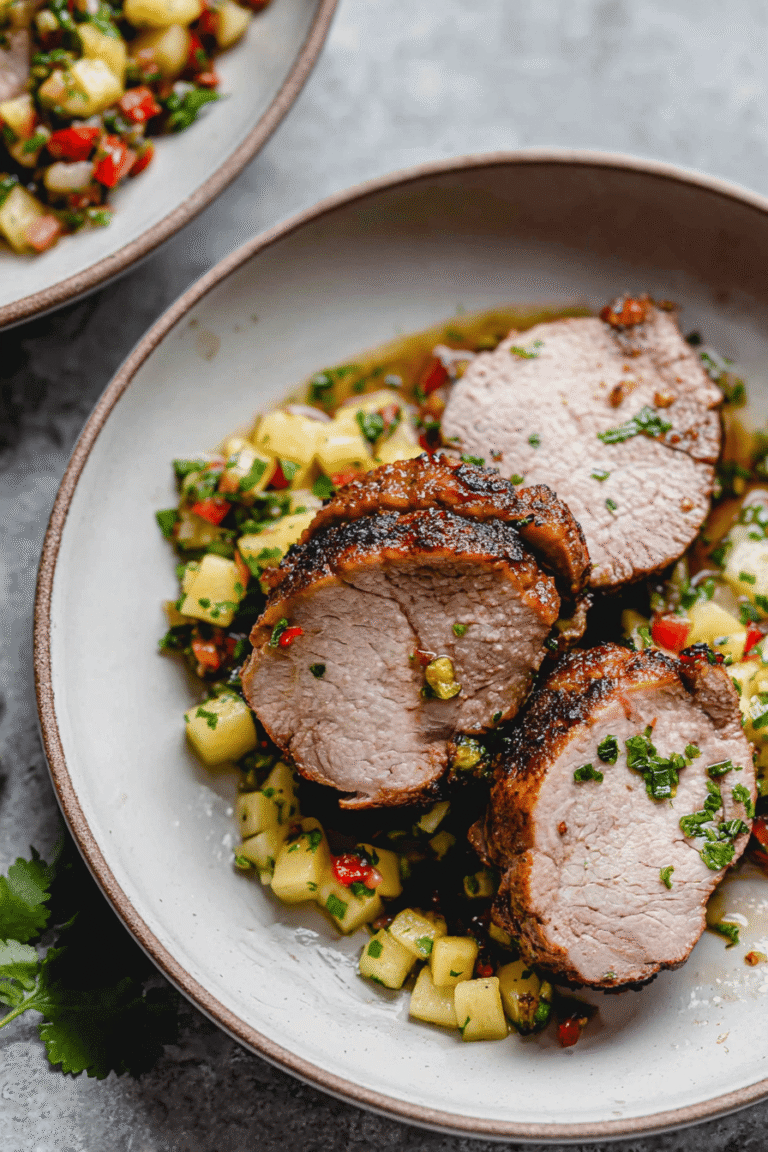
Island Pork Tenderloin
🐖 Enjoy tender and juicy pork tenderloin infused with sweet and spicy tropical flavors that delight your taste buds.
🌴 This Island Glazed Pork Tenderloin offers a quick and flavorful meal perfect for any weeknight or special occasion.
- Total Time: 30 minutes
- Yield: 4 servings 1x
Ingredients
1 to 1 ½ pounds pork tenderloin
2 tablespoons olive oil
2 teaspoons salt
1 teaspoon cinnamon
1 teaspoon cumin
1 teaspoon chili powder
½ teaspoon black pepper
¾ cup brown sugar (dark or light)
2 teaspoons minced garlic
1 tablespoon spicy sauce (or hot sauce as a substitute)
Instructions
1-Getting started: Getting started with this island pork tenderloin is easier than you might think, and we’ll walk through each step to make sure it’s a success. First off, preheat your oven to 350 degrees and get an oven-safe skillet ready by drizzling in 2 tablespoons of olive oil. Heat it on medium-high until it’s nice and hot, which sets the stage for a great sear.
2-Next: mix up the rub by whisking together 2 teaspoons salt, 1 teaspoon cinnamon, 1 teaspoon cumin, 1 teaspoon chili powder, and ½ teaspoon black pepper. Rub this flavorful mix all over your 1 to 1 ½ pounds of pork tenderloin, really working it into the meat for maximum taste. Once that’s done, pop the tenderloin into the hot skillet and sear it on all sides for about 3-4 minutes this locks in those juices and builds a tasty crust.
3-Adding the Glaze and Baking: Now for the fun part: whip up the glaze by combining ¾ cup brown sugar, 2 teaspoons minced garlic, and 1 tablespoon spicy sauce. Spread this sweet mixture over the seared pork, then slide the skillet into the oven. Bake it for around 20 minutes, checking that the internal temperature hits 145 degrees or until the center is no longer pink for that perfect juicy finish.
4-After baking, let the pork rest for 3-5 minutes this step is crucial as it helps the juices settle and keeps everything tender. Finally, slice the pork into 1-inch thick pieces and drizzle the glaze from the pan over the top before serving. To amp up your meal, try pairing it with a cool drink; for instance, our white chocolate raspberry trifle could make a delightful follow-up dessert.
Last Step:
Please leave a rating and comment letting us know how you liked this recipe! This helps our business to thrive and continue providing free, high-quality recipes for you.Notes
🌶️ Use a spicy sauce for an authentic glaze flavor; hot sauce is a fine substitute.
🍳 If you lack an oven-safe skillet, sear pork in a regular pan, then bake in a greased baking dish.
⏲️ Rest pork for 5 minutes after cooking to keep it juicy and flavorful.
- Prep Time: 5 minutes
- Cook Time: 25 minutes
- Category: Main Dish
- Method: Searing and baking
- Cuisine: Island-inspired
- Diet: Gluten-Free
Nutrition
- Serving Size: 1 serving
- Calories: 566 kcal
- Sugar: 40 g
- Sodium: 1331 mg
- Fat: 17 g
- Saturated Fat: 4 g
- Trans Fat: 1 g
- Carbohydrates: 42 g
- Fiber: 1 g
- Protein: 59 g
- Cholesterol: 184 mg