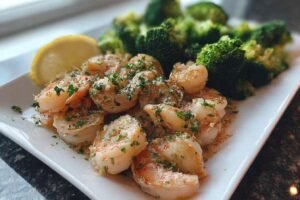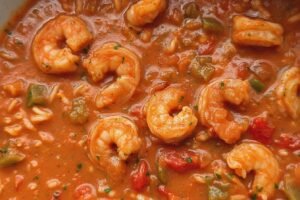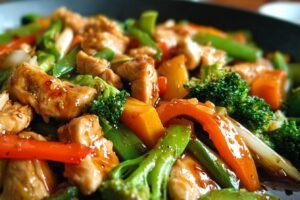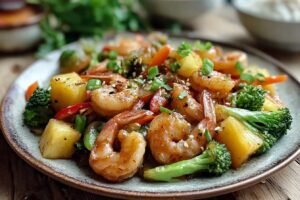

Why You’ll Love This High-Protein Shrimp Noodle Stir Fry Recipe
This High-Protein Shrimp Noodle Stir Fry Recipe is the kind of meal that fits real life. It comes together fast, uses simple pantry staples, and brings together tender shrimp, crisp vegetables, and a glossy, savory-sweet sauce that tastes like takeout without the wait. If you want a dinner that feels satisfying but still works for busy weeknights, this shrimp stir fry is a great pick.
- Quick and easy: You can get this noodle stir fry on the table in about 25 minutes, making it perfect for busy parents, students, and working professionals.
- High in protein: Shrimp gives this dish a lean protein boost, while whole grain or lentil spaghetti noodles add staying power for a filling meal.
- Flexible for many diets: You can swap the noodles, adjust the sauce, or change the heat level to fit gluten-free, lower-carb, or lighter eating plans.
- Big flavor in every bite: The mix of garlic, ginger, soy sauce, orange juice, hoisin, sesame oil, and chili flakes gives the dish a balanced sweet, savory, and slightly spicy finish.
According to WebMD’s shrimp nutrition guide, shrimp is a smart source of lean protein and key nutrients. That makes this high protein recipe a solid option for anyone who wants a satisfying dinner without a lot of fuss.
Tip: If you like meals that feel fresh, colorful, and filling, this shrimp stir fry noodles recipe is one you will want to keep in your regular dinner rotation.
Jump to:
- Why You’ll Love This High-Protein Shrimp Noodle Stir Fry Recipe
- Essential Ingredients for High-Protein Shrimp Noodle Stir Fry Recipe
- Main Ingredients
- Sauce Ingredients
- Special Dietary Options
- How to Prepare the Perfect High-Protein Shrimp Noodle Stir Fry Recipe: Step-by-Step Guide
- First Step: Get everything ready
- Second Step: Mix the sauce
- Third Step: Cook the vegetables
- Fourth Step: Cook the shrimp
- Fifth Step: Add noodles and sauce
- Final Step: Garnish and serve
- Dietary Substitutions to Customize Your High-Protein Shrimp Noodle Stir Fry Recipe
- Protein and Main Component Alternatives
- Vegetable, Sauce, and Seasoning Modifications
- Mastering High-Protein Shrimp Noodle Stir Fry Recipe: Advanced Tips and Variations
- Pro cooking techniques
- Flavor variations
- Presentation tips
- Make-ahead options
- How to Store High-Protein Shrimp Noodle Stir Fry Recipe: Best Practices
- Refrigeration
- Freezing
- Reheating
- Meal prep considerations
- FAQs: Frequently Asked Questions About High-Protein Shrimp Noodle Stir Fry Recipe
- How long does it take to make high-protein shrimp noodle stir fry?
- How much protein is in this shrimp noodle stir fry recipe?
- How do I store leftovers from shrimp noodle stir fry?
- Can I make high-protein shrimp noodle stir fry low-carb?
- What can I substitute for shrimp in high-protein noodle stir fry?
- High-Protein Shrimp Noodle Stir Fry Recipe
- Ingredients
- Instructions
- Last Step:
- Notes
- Nutrition
- Did you make this recipe?
Essential Ingredients for High-Protein Shrimp Noodle Stir Fry Recipe
Every ingredient in this shrimp stir fry recipe plays a role. The shrimp adds protein, the vegetables bring color and crunch, and the sauce ties everything together with a sweet-salty finish. If you are shopping ahead of time, this ingredient list makes it easy to grab everything you need in one trip.
Main Ingredients
- 1 pound large shrimp, peeled and deveined – The main protein in this high-protein shrimp noodle stir fry recipe. Shrimp cooks quickly and soaks up the sauce well.
- 1 tablespoon olive oil or peanut oil – Helps sear the vegetables and shrimp without sticking.
- 3 garlic cloves, minced – Adds deep savory flavor to the stir fry base.
- 1 teaspoon freshly grated ginger – Brings a warm, bright note that pairs well with shrimp and soy sauce.
- 1 medium carrot, julienned or shredded – Adds color, a little sweetness, and a crisp texture.
- 1 red bell pepper, cut into thin strips – Gives the dish a sweet crunch and plenty of color.
- 3 cups broccoli florets – Makes the noodle stir fry more filling and adds fiber.
- 8 ounces spaghetti noodles, whole grain or lentil – The base of the dish. Whole grain or lentil noodles add more protein and fiber than standard pasta.
- 2 to 3 green onions, thinly sliced – Adds freshness at the end and a mild onion flavor.
- 2 tablespoons toasted sesame seeds – Used as garnish for a nutty finish and extra texture.
- Salt and pepper to taste – Helps balance the final flavor.
Sauce Ingredients
- 2 tablespoons honey or agave – Adds gentle sweetness to balance the salty sauce.
- 1/4 cup low-sodium soy sauce or coconut aminos – Brings the savory base flavor. Coconut aminos are a good gluten-free option.
- 1/4 cup fresh orange juice – Adds brightness and a light citrus note.
- 2 tablespoons hoisin sauce – Gives the stir fry a rich, slightly sweet depth.
- 2 teaspoons sesame oil – Adds a toasted, nutty aroma.
- 1/4 teaspoon chili flakes – Adds a little heat. You can use more or less depending on your taste.
Special Dietary Options
- Vegan: Swap shrimp for extra-firm tofu, tempeh, or edamame. Use coconut aminos instead of soy sauce if needed, and replace honey with agave.
- Gluten-free: Use lentil noodles or certified gluten-free spaghetti, and choose coconut aminos instead of soy sauce. Check that your hoisin sauce is gluten-free too.
- Low-calorie: Use less noodles and more broccoli, carrot, and bell pepper. You can also cut the honey by half and use a lighter hand with sesame oil.
| Ingredient | Why It Matters | Easy Swap |
|---|---|---|
| Shrimp | Lean protein and quick cooking | Chicken, tofu, or salmon |
| Whole grain or lentil noodles | More fiber and better staying power | Zucchini noodles or shirataki noodles |
| Broccoli and peppers | Add crunch, color, and nutrients | Snap peas, cabbage, or mushrooms |
| Soy sauce and hoisin | Create the savory-sweet sauce | Coconut aminos and tamari |
How to Prepare the Perfect High-Protein Shrimp Noodle Stir Fry Recipe: Step-by-Step Guide
First Step: Get everything ready
Start by prepping all your ingredients before you turn on the stove. This keeps the cooking fast and stress-free, which matters because shrimp cooks quickly. Peel and devein the shrimp if needed, mince the garlic, grate the ginger, slice the green onions, cut the red bell pepper into thin strips, and shred or julienne the carrot. Break the broccoli into small florets so they cook evenly.
Next, cook the noodles according to the package directions until just tender. You want them al dente so they hold up when tossed with the sauce and vegetables. Drain them well and set them aside. If you are using whole grain or lentil spaghetti noodles, a quick rinse with cool water can help stop the cooking and keep them from sticking.
Second Step: Mix the sauce
In a small bowl, whisk together the honey or agave, low-sodium soy sauce or coconut aminos, fresh orange juice, hoisin sauce, sesame oil, and chili flakes. Stir until the sauce looks smooth and blended. This sauce is the heart of the dish, so take a second to taste it before cooking. If you want more heat, add a pinch more chili flakes. If you like a sweeter stir fry, add a little more honey.
Having the sauce ready before the pan gets hot helps the whole process move quickly. Stir fries work best when you can add ingredients right after another without pausing. That way, the shrimp stays tender and the vegetables keep some bite.
Third Step: Cook the vegetables
Set a large skillet or wok over medium-high heat and add the tablespoon of olive oil or peanut oil. When the oil shimmers, add the broccoli florets, carrot, and red bell pepper. Stir-fry for 3 to 5 minutes until the vegetables start to soften but still look bright. You want the broccoli to stay crisp-tender, not mushy.
Add the minced garlic and grated ginger during the last minute of this step. Garlic and ginger can burn fast, so adding them toward the end keeps their flavor fresh and strong. Stir constantly so they coat the vegetables evenly. If your pan looks dry, add a small splash of water to help everything move around.
Fourth Step: Cook the shrimp
Push the vegetables to the sides of the pan or transfer them to a plate if the skillet feels crowded. Add the shrimp in a single layer. Season lightly with salt and pepper, then cook for about 2 minutes on the first side. Flip the shrimp and cook for another 1 to 2 minutes, just until they turn pink and opaque. Shrimp cooks fast, so keep a close eye on it.
Once the shrimp is done, do not overcook it. Overcooked shrimp turns rubbery, and this recipe shines when the shrimp stays juicy. If you are cooking very large shrimp, they may need an extra minute, but no more than that in most cases.
Fifth Step: Add noodles and sauce
Return the cooked noodles to the pan if you moved the vegetables out. Pour in the sauce and toss everything together until the noodles, shrimp, and vegetables are evenly coated. Use tongs if you have them. They make it easier to lift and mix the noodles without breaking them.
Cook for 1 to 2 more minutes, just until the sauce thickens slightly and clings to the noodles. The orange juice and honey give the stir fry a glossy finish, while the sesame oil and hoisin bring depth. If the noodles seem dry, add a small splash of water or broth. If the stir fry looks too loose, let it cook for another minute so the sauce tightens up.
Final Step: Garnish and serve
Turn off the heat and fold in the sliced green onions. Taste and add more salt or pepper if needed. Spoon the shrimp stir fry noodles into bowls and finish with toasted sesame seeds on top. Serve right away while everything is hot and the vegetables still have a little crunch.
If you want a simple side dish, this meal pairs well with a light cucumber salad or steamed edamame. For more easy dinner ideas, you can also check out our cookie recipes for a sweet finish after dinner.

Dietary Substitutions to Customize Your High-Protein Shrimp Noodle Stir Fry Recipe
Protein and Main Component Alternatives
If shrimp is not your thing, this noodle stir fry still works well with other proteins. Diced chicken breast is a common swap and cooks in about the same time as shrimp once cut small. Tofu is a great plant-based option, especially if you press it first so it browns better in the pan. You can also use salmon bites, lean beef strips, or edamame for a different texture and flavor.
For the noodle base, whole grain spaghetti, lentil pasta, rice noodles, or even zucchini noodles all work. If you want a lower-carb meal, zucchini noodles or shirataki noodles are smart choices. If you need a gluten-free option, look for certified gluten-free spaghetti or rice noodles made without wheat.
Vegetable, Sauce, and Seasoning Modifications
This shrimp stir fry is very forgiving, so you can change the vegetables with the seasons. Snap peas, mushrooms, cabbage, baby corn, or snow peas all fit well here. If you want extra greens, add spinach at the end and let it wilt for a minute. For a sweeter stir fry, add a little more orange juice or honey. For a stronger savory flavor, use a bit more hoisin or soy sauce.
If you prefer a mild dish, leave out the chili flakes. If you like more heat, add sriracha or a pinch of crushed red pepper. For a nutty finish, add extra sesame oil at the very end, not during the main cooking, so the flavor stays bright. If you want a lighter dish, use less sauce and more vegetables. That keeps the meal balanced while still tasting rich and satisfying.
Mastering High-Protein Shrimp Noodle Stir Fry Recipe: Advanced Tips and Variations
Pro cooking techniques
The biggest trick with any good shrimp stir fry is heat control. Use medium-high heat so the vegetables cook fast without going soft, and keep the shrimp moving once it starts turning pink. If your skillet is small, cook in batches so the ingredients fry instead of steam. A crowded pan is one of the fastest ways to lose that crisp stir-fry texture.
Another helpful tip is to dry the shrimp well before cooking. Extra moisture can keep it from browning a little at the edges. If you have a few extra minutes, marinate the shrimp in a spoonful of soy sauce, garlic, and ginger before cooking. Even 10 minutes can add more flavor.
Flavor variations
You can change the flavor profile without changing the method. For a sweeter version, add a little more honey and orange juice. For a more savory version, increase the soy sauce slightly and cut back on the sweetener. If you want a brighter finish, squeeze fresh lime over the top just before serving. For a more filling version, add scrambled egg or more vegetables.
Presentation tips
Twirl the noodles into bowls with tongs for a neat look, then pile the shrimp and vegetables on top. Finish with green onions and toasted sesame seeds. A few extra carrot ribbons or red pepper strips on top also make the dish look fresh and colorful. If you are serving guests, a wide bowl makes the shrimp and noodles look especially inviting.
Make-ahead options
You can prep almost everything ahead of time. Chop the vegetables, mix the sauce, and peel the shrimp earlier in the day. Store each item separately in the fridge so the textures stay nice. When dinner time comes, the actual cooking takes very little time. That makes this a helpful recipe for weeknights, meal prep, or last-minute company.
For readers who enjoy easy entertaining food, you might also like this frozen margarita recipe for a fun drink pairing with a noodle night.
How to Store High-Protein Shrimp Noodle Stir Fry Recipe: Best Practices
Refrigeration
Store leftover shrimp noodle stir fry in an airtight container in the fridge for up to 3 days. Let it cool before sealing it so condensation does not make the noodles soggy. If possible, keep the sesame seeds separate and add them fresh when serving leftovers.
Freezing
You can freeze this dish, but the noodles and vegetables may soften a bit after thawing. For the best result, freeze portions in freezer-safe containers or bags for up to 2 months. Press out as much air as possible before sealing. If you know you want to meal prep for later, undercook the vegetables just slightly so they hold up better after freezing.
Reheating
Reheat in a skillet over medium heat with a splash of water or broth to loosen the sauce. Stir gently until everything is hot. You can also use the microwave in short bursts, stirring between each one. Shrimp reheats best when it is warmed just until hot, not cooked again.
Meal prep considerations
If you want this shrimp stir fry recipe for lunch prep, divide it into portions right after cooking. Keep any extra sauce in a separate small container if you want to refresh the noodles before eating. This keeps the noodles from soaking up too much liquid and helps the texture stay better through the week.
FAQs: Frequently Asked Questions About High-Protein Shrimp Noodle Stir Fry Recipe
How long does it take to make high-protein shrimp noodle stir fry?
This high-protein shrimp noodle stir fry comes together in about 25 minutes total. Prep takes 10 minutes: peel and devein 1 lb shrimp, chop 2 bell peppers, 1 onion, 2 garlic cloves, and 2 carrots, then cook 8 oz whole-grain noodles. Cooking is 15 minutes: stir-fry veggies and garlic in 2 tbsp oil for 5 minutes, add shrimp and cook 3-4 minutes until pink, toss in cooked noodles, ¼ cup soy sauce, 2 tbsp oyster sauce, and 1 tsp sesame oil, then heat through. It’s a quick weeknight meal. Serve hot with lime wedges and green onions for garnish. Total servings: 4. Adjust heat by adding chili flakes. (92 words)
How much protein is in this shrimp noodle stir fry recipe?
Each serving (about 1.5 cups) of this high-protein shrimp noodle stir fry delivers around 35-40 grams of protein, mainly from 4 oz shrimp per portion (25g protein) plus whole-grain noodles (8g) and optional add-ins like scrambled egg (6g). Full nutrition per serving: 450 calories, 12g fat, 55g carbs (8g fiber), 38g protein. Shrimp provides lean, complete protein with omega-3s. Use low-sodium soy sauce to keep it heart-healthy. Track with an app like MyFitnessPal for exact counts based on brands. Pair with a side salad for a balanced 500-calorie meal under 50g protein total. (112 words)
How do I store leftovers from shrimp noodle stir fry?
Store shrimp noodle stir fry leftovers in an airtight container in the fridge for up to 3 days. Cool completely first to avoid sogginess. Reheat in a skillet over medium heat with a splash of water or broth for 2-3 minutes to crisp noodles, or microwave in 1-minute bursts, stirring between. For freezing, portion into freezer bags, removing air, and freeze up to 2 months. Thaw overnight in fridge before reheating—avoid refreezing. Note: texture may soften; best eaten fresh. Label containers with dates. This keeps the high-protein meal safe and tasty for meal prep. (104 words)
Can I make high-protein shrimp noodle stir fry low-carb?
Yes, swap 8 oz whole-grain noodles for zucchini noodles (zoodles) or shirataki noodles to drop carbs to under 15g per serving while keeping 35g protein. Spiralize 4 medium zucchinis (yields ~4 cups) and sauté 2 minutes to avoid mushiness, or rinse shirataki and dry-fry first. Keep shrimp, veggies, and sauces the same. Result: 300 calories, 5g net carbs, 38g protein. Add cauliflower rice for bulk. It’s keto-friendly and ready in 20 minutes. Test low-carb noodles like Miracle Noodle for variety. Fresh zoodles work best—don’t overcook. (98 words)
What can I substitute for shrimp in high-protein noodle stir fry?
Replace shrimp with chicken breast (1 lb diced, cooks 5-6 minutes), lean beef strips (sirloin, 4-5 minutes), tofu cubes (firm, 4 minutes), or salmon bites (3-4 minutes). All maintain 30-40g protein per serving. For chicken: season with salt/pepper, stir-fry after veggies. Tofu: press dry, cube, and coat in cornstarch for crispiness. Beef adds iron; salmon boosts omega-3s. Use same sauces and noodles. Adjust cook times to avoid overcooking proteins. Vegetarian? Go tofu or edamame (1 cup shelled). Keeps the stir fry quick, flavorful, and high-protein for different diets. (102 words)
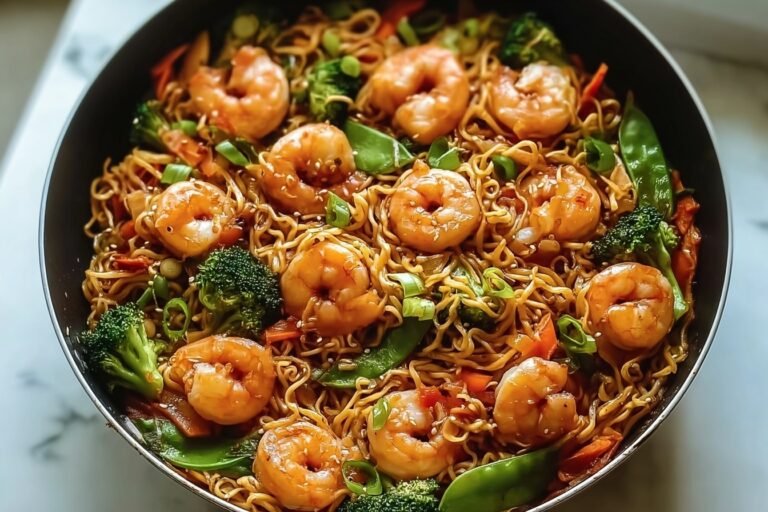
High-Protein Shrimp Noodle Stir Fry Recipe
🦐 Power-packed with lean shrimp protein, fiber-rich veggies, and whole-grain noodles for a satisfying, nutrient-dense meal that keeps you full!
🍜 Zesty orange-hoisin sauce elevates this 30-minute stir-fry – fresher, healthier takeout alternative for busy nights.
- Total Time: 30 minutes
- Yield: 4 servings
Ingredients
– 1 pound large shrimp, peeled and deveined
– 1 tablespoon olive oil or peanut oil
– 3 garlic cloves, minced
– 1 teaspoon freshly grated ginger
– 1 medium carrot, julienned or shredded
– 1 red bell pepper, cut into thin strips
– 3 cups broccoli florets
– 8 ounces spaghetti noodles, whole grain or lentil
– 2 to 3 green onions, thinly sliced
– 2 tablespoons toasted sesame seeds
– Salt and pepper to taste
– 2 tablespoons honey or agave
– 1/4 cup low-sodium soy sauce or coconut aminos
– 1/4 cup fresh orange juice
– 2 tablespoons hoisin sauce
– 2 teaspoons sesame oil
– 1/4 teaspoon chili flakes
Instructions
1-First Step: Get everything ready Start by prepping all your ingredients before you turn on the stove. This keeps the cooking fast and stress-free, which matters because shrimp cooks quickly. Peel and devein the shrimp if needed, mince the garlic, grate the ginger, slice the green onions, cut the red bell pepper into thin strips, and shred or julienne the carrot. Break the broccoli into small florets so they cook evenly. Next, cook the noodles according to the package directions until just tender. You want them al dente so they hold up when tossed with the sauce and vegetables. Drain them well and set them aside. If you are using whole grain or lentil spaghetti noodles, a quick rinse with cool water can help stop the cooking and keep them from sticking.
2-Second Step: Mix the sauce In a small bowl, whisk together the honey or agave, low-sodium soy sauce or coconut aminos, fresh orange juice, hoisin sauce, sesame oil, and chili flakes. Stir until the sauce looks smooth and blended. This sauce is the heart of the dish, so take a second to taste it before cooking. If you want more heat, add a pinch more chili flakes. If you like a sweeter stir fry, add a little more honey. Having the sauce ready before the pan gets hot helps the whole process move quickly. Stir fries work best when you can add ingredients right after another without pausing. That way, the shrimp stays tender and the vegetables keep some bite.
3-Third Step: Cook the vegetables Set a large skillet or wok over medium-high heat and add the tablespoon of olive oil or peanut oil. When the oil shimmers, add the broccoli florets, carrot, and red bell pepper. Stir-fry for 3 to 5 minutes until the vegetables start to soften but still look bright. You want the broccoli to stay crisp-tender, not mushy. Add the minced garlic and grated ginger during the last minute of this step. Garlic and ginger can burn fast, so adding them toward the end keeps their flavor fresh and strong. Stir constantly so they coat the vegetables evenly. If your pan looks dry, add a small splash of water to help everything move around.
4-Fourth Step: Cook the shrimp Push the vegetables to the sides of the pan or transfer them to a plate if the skillet feels crowded. Add the shrimp in a single layer. Season lightly with salt and pepper, then cook for about 2 minutes on the first side. Flip the shrimp and cook for another 1 to 2 minutes, just until they turn pink and opaque. Shrimp cooks fast, so keep a close eye on it. Once the shrimp is done, do not overcook it. Overcooked shrimp turns rubbery, and this recipe shines when the shrimp stays juicy. If you are cooking very large shrimp, they may need an extra minute, but no more than that in most cases.
5-Fifth Step: Add noodles and sauce Return the cooked noodles to the pan if you moved the vegetables out. Pour in the sauce and toss everything together until the noodles, shrimp, and vegetables are evenly coated. Use tongs if you have them. They make it easier to lift and mix the noodles without breaking them. Cook for 1 to 2 more minutes, just until the sauce thickens slightly and clings to the noodles. The orange juice and honey give the stir fry a glossy finish, while the sesame oil and hoisin bring depth. If the noodles seem dry, add a small splash of water or broth. If the stir fry looks too loose, let it cook for another minute so the sauce tightens up.
6-Final Step: Garnish and serve Turn off the heat and fold in the sliced green onions. Taste and add more salt or pepper if needed. Spoon the shrimp stir fry noodles into bowls and finish with toasted sesame seeds on top. Serve right away while everything is hot and the vegetables still have a little crunch.
Last Step:
Please leave a rating and comment letting us know how you liked this recipe! This helps our business to thrive and continue providing free, high-quality recipes for you.Notes
🦐 Cook shrimp just until pink to keep them juicy and tender.
🍜 Use whole grain or lentil noodles for extra protein and fiber boost.
🥦 Prep all veggies and sauce ahead – stir-fries come together fast!
- Prep Time: 15 minutes
- Cook Time: 15 minutes
- Category: Pasta
- Method: Stovetop
- Cuisine: Asian
- Diet: Pescatarian
Nutrition
- Serving Size: 1 serving
- Calories: 450 kcal
- Sugar: 12 g
- Sodium: 900 mg
- Fat: 12 g
- Saturated Fat: 2 g
- Unsaturated Fat: 9 g
- Trans Fat: 0 g
- Carbohydrates: 55 g
- Fiber: 5 g
- Protein: 32 g
- Cholesterol: 250 mg