
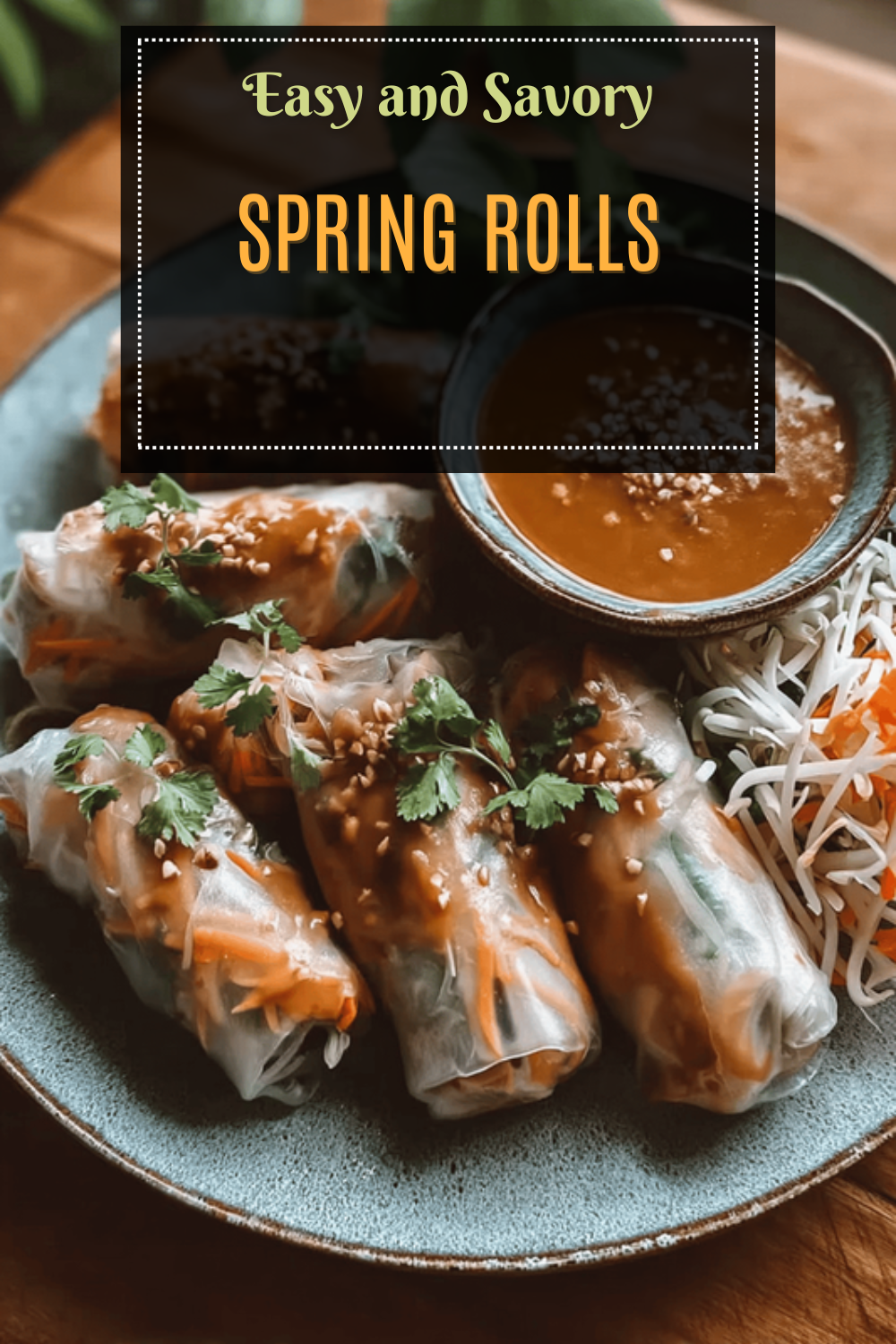
Why You’ll Love This Spring Rolls
These spring rolls are a fantastic choice for anyone wanting a quick and tasty meal that feels just right. With their fresh rolls packed with crunchy veggies and proteins, you’ll enjoy how simple they are to whip up on any day. Let me share why this spring rolls recipe has become a go-to in my kitchen for both weeknights and fun gatherings.
One reason you’ll love this spring rolls is the ease of preparation. This spring rolls recipe is designed for simplicity and quick cooking, so you can enjoy fresh, homemade spring rolls in under 30 minutes. That makes it perfect for busy parents, students, or anyone short on time but craving something homemade and fresh.
Then there’s the health benefits that really stand out. Packed with fresh vegetables and lean proteins, these spring rolls offer a nutritious meal option rich in vitamins, fiber, and antioxidants. They support wellness by being low in saturated fats and calories compared to fried options, which is great for diet-conscious individuals and those looking for easy homemade spring rolls meal recipes.
Don’t forget the versatility that lets you adapt this recipe easily. You can swap ingredients to fit vegan, gluten-free, or low-calorie diets, making it a flexible dish for all occasions. Whether you’re a food enthusiast or a busy professional, this homemade spring rolls option brings excitement to your table every time.
Jump to:
- Why You’ll Love This Spring Rolls
- Essential Ingredients for Spring Rolls
- How to Prepare the Perfect Spring Rolls: Step-by-Step Guide
- Dietary Substitutions to Customize Your Spring Rolls
- Mastering Spring Rolls: Advanced Tips and Variations
- How to Store Spring Rolls: Best Practices
- FAQs: Frequently Asked Questions About Spring Rolls
- What are spring rolls made of?
- How do you make fresh spring rolls at home?
- What is the difference between fresh spring rolls and fried spring rolls?
- Can spring rolls be stored, and how long do they stay fresh?
- What are popular dipping sauces to serve with spring rolls?
- Spring Rolls
- Ingredients
- Instructions
- Last Step:
- Notes
- Nutrition
- Did you make this recipe?
Essential Ingredients for Spring Rolls
Gathering the right ingredients is key to making delicious fresh spring rolls. This section lists everything you need, based on a classic recipe that highlights vibrant flavors. I’ll break it down into a structured list so it’s easy to follow when you’re shopping or prepping.
- 1 package vermicelli noodles
- 1 package rice paper wrappers
- 2 mangos, peeled and sliced into thin strips
- 1 large carrot, peeled and shredded or thinly sliced
- 1 large English cucumber, peeled and thinly sliced
- 1 pound small cooked shrimp, deveined, tails removed (or substitute with chicken)
- 1 bunch fresh mint leaves
- 1 bunch fresh basil leaves
- 1 bunch fresh cilantro
- 3/4 cup peanut butter (for the peanut sauce)
- 1/3 cup hoisin sauce (for the peanut sauce)
- 1/2 teaspoon garlic powder (for the peanut sauce)
- 1/2 teaspoon red pepper flakes (for the peanut sauce)
These ingredients come together to create rice paper rolls that are full of fresh, crunchy textures and bold tastes. For special dietary options, you can make adjustments like using tofu instead of shrimp for a vegan twist or choosing gluten-free wrappers. Adding these precise measurements ensures your homemade spring rolls turn out just right every time.
How to Prepare the Perfect Spring Rolls: Step-by-Step Guide
Making fresh spring rolls at home is a fun and straightforward process that brings out vibrant flavors in every bite. Start by getting all your ingredients ready, just like in the recipe summary provided. Follow these steps to create easy homemade spring rolls that impress.
First, cook the vermicelli noodles in boiling water as per package instructions, then drain and rinse them with cold water to cool. This step takes about 5 minutes and sets the base for your rolls. Next, prepare your fillings by slicing or shredding the vegetables and gathering the herbs and cooked shrimp or chicken.
Now, fill a shallow dish with about one inch of water and dip a rice paper wrapper for 10 to 15 seconds until it’s firm but flexible, then place it on a flat surface. Layer 1 to 2 slices of each vegetable, a small pinch of noodles, a few shrimp or chicken pieces, and some herb leaves on the part of the wrapper closest to you. For the best results, keep the fillings balanced to avoid overstuffing.
After that, fold the sides over the filling and roll tightly from the edge closest to you to enclose everything neatly. Repeat this for all the wrappers and fillings, which should take around 15 minutes for assembly. Finally, blend the peanut butter, hoisin sauce, garlic powder, and red pepper flakes until smooth for the dipping sauce, and serve your spring rolls fresh alongside it. The total preparation time is about 40 minutes, with 20 minutes for prepping and 5 minutes for cooking.
This method not only makes how to make fresh spring rolls at home simple but also keeps them light and healthy, perfect for your busy lifestyle.

Dietary Substitutions to Customize Your Spring Rolls
One of the best parts of fresh rolls is how you can tweak them to fit your needs. Whether you’re avoiding certain ingredients or just want to experiment, these swaps keep things tasty and accessible. Let’s dive into some easy changes that maintain the essence of your spring rolls.
For protein and main components, substitute cooked chicken with grilled tempeh or seitan for a vegan protein boost. You could also replace shrimp with marinated mushrooms or chickpeas to keep it plant-based and full of flavor.
When it comes to vegetables, sauces, and seasonings, swap lettuce for napa cabbage or spinach based on what’s in season. Use tamari instead of soy sauce if you’re going gluten-free, or add fresh chili to the dipping sauce for an extra kick. Incorporating fresh cilantro or basil as alternatives to mint can vary the flavor profiles nicely, making your rice paper rolls even more exciting.
These adjustments help everyone enjoy homemade spring rolls, from seniors to party hosts. For instance, if you’re looking for more Italian-inspired ideas, check out our bolognese sauce recipe for another customizable favorite.
Mastering Spring Rolls: Advanced Tips and Variations
Once you’re comfortable with the basics, take your spring rolls to the next level with these pro tips. Experimenting with flavors and techniques can turn your fresh spring rolls into something truly special for food enthusiasts and travelers alike.
For better results, lightly toast the rice paper wrappers before soaking to add a slight crisp texture, and use a damp cloth to keep them from drying out. This simple trick enhances the overall experience of your homemade spring rolls.
Try flavor variations by swapping the peanut sauce for something like a tamarind-based dip or a citrus soy blend to complement the rolls uniquely. Presentation matters too, so arrange them neatly on a platter with fresh herbs for an elegant look that impresses at gatherings.
If you’re planning ahead, prepare fillings in advance and store components separately, then assemble just before serving to keep everything fresh. These tips for fresh spring rolls recipes with vibrant flavors encourage culinary creativity while keeping things straightforward for home cooks.
How to Store Spring Rolls: Best Practices
Keeping your spring rolls fresh is important to enjoy their crisp and vibrant qualities later. Whether you’re prepping for a meal or storing leftovers, follow these guidelines to maintain that just-made taste.
Store assembled spring rolls in a single layer in an airtight container lined with a damp paper towel to hold onto moisture, and aim to eat them within 24 hours. For freezing, it’s better to freeze the cooked protein and vegetables separately rather than the fully assembled rolls, as rice paper can become brittle.
If you need to reheat, serve fresh spring rolls cold or at room temperature, or gently steam cooked ones for 2-3 minutes to keep them soft. Consider meal prep by getting ingredients ready in advance, so you can quickly assemble rolls on busy days without losing quality.
| Storage Method | Duration | Tips |
|---|---|---|
| Refrigeration | Up to 24 hours | Use a damp towel to prevent drying |
| Freezing | Not recommended for assembled rolls | Freeze components separately |
| Reheating | N/A | Steam briefly if needed |
FAQs: Frequently Asked Questions About Spring Rolls
What are spring rolls made of?
Spring rolls are typically made with thin rice paper or wheat-based wrappers filled with a variety of ingredients. Common fillings include fresh vegetables such as lettuce, carrots, and cucumbers, along with herbs like mint and cilantro. Protein options can range from cooked shrimp, pork, or chicken to tofu for a vegetarian version. The ingredients are rolled tightly to create a compact wrap that can be served fresh (unfried) or fried until crispy.
How do you make fresh spring rolls at home?
To make fresh spring rolls, soak rice paper wrappers briefly in warm water until pliable. Lay the softened wrapper on a flat surface, then add a small amount of prepared fillings like rice noodles, vegetables, herbs, and protein near one edge. Fold the sides inward, then roll tightly from the filled edge to the opposite end. Serve with dipping sauces such as peanut sauce or hoisin sauce. Keep ingredients moist but avoid overfilling for easier rolling.
What is the difference between fresh spring rolls and fried spring rolls?
Fresh spring rolls are made with softened rice paper and typically contain uncooked or lightly cooked ingredients, offering a light and refreshing taste. Fried spring rolls, on the other hand, are wrapped in a thin wheat-based wrapper and deep-fried to achieve a crispy texture. Fried spring rolls are usually served hot with dipping sauces, while fresh spring rolls are served cold or at room temperature for a healthier option.
Can spring rolls be stored, and how long do they stay fresh?
Fresh spring rolls can be stored in the refrigerator for up to 2 days if wrapped tightly in plastic wrap or placed in an airtight container with a damp paper towel to prevent drying out. Fried spring rolls maintain their crispiness best when freshly made but can be stored for 1 to 2 days in an airtight container and reheated in an oven to regain crispness. Avoid refrigerating spring rolls for extended periods to prevent sogginess.
What are popular dipping sauces to serve with spring rolls?
Popular dipping sauces for spring rolls include peanut sauce made from peanut butter, hoisin sauce, and coconut milk, offering a savory and slightly sweet flavor. Another classic option is nuoc cham, a Vietnamese fish sauce-based dip with lime juice, sugar, garlic, and chili, providing a tangy and spicy balance. Soy sauce mixed with garlic and vinegar is also common. These sauces complement the freshness and texture of spring rolls perfectly.
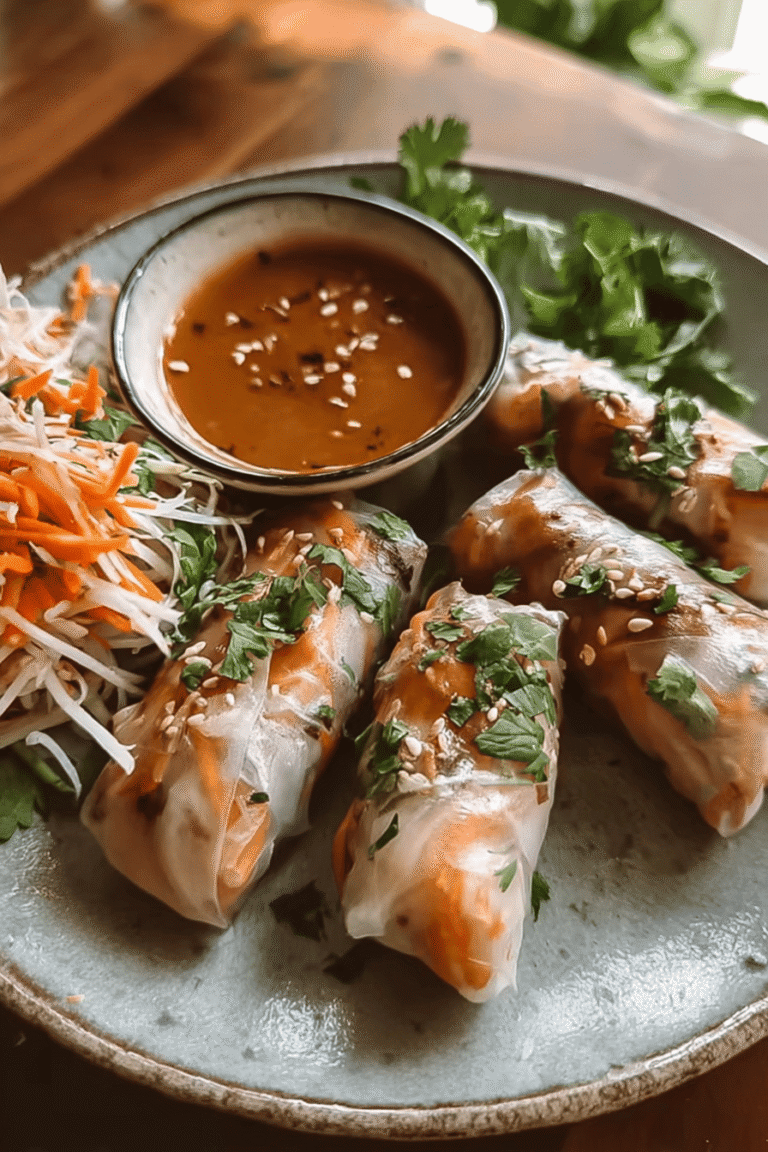
Spring Rolls
🍤 Fresh spring rolls offer a light and vibrant meal option packed with colorful veggies and herbs.
🥢 This easy homemade recipe allows you to customize fillings and enjoy a healthy, refreshing dish anytime.
- Total Time: 40 minutes
- Yield: 8-10 spring rolls
Ingredients
– 1 package vermicelli noodles
– 1 package rice paper wrappers
– 2 mangos, peeled and sliced into thin strips
– 1 large carrot, peeled and shredded or thinly sliced
– 1 large English cucumber, peeled and thinly sliced
– 1 pound small cooked shrimp, deveined, tails removed (or substitute with chicken)
– 1 bunch fresh mint leaves
– 1 bunch fresh basil leaves
– 1 bunch fresh cilantro
– 3/4 cup peanut butter for the peanut sauce
– 1/3 cup hoisin sauce for the peanut sauce
– 1/2 teaspoon garlic powder for the peanut sauce
– 1/2 teaspoon red pepper flakes for the peanut sauce
Instructions
1-First, cook the vermicelli noodles in boiling water as per package instructions, then drain and rinse them with cold water to cool. This step takes about 5 minutes and sets the base for your rolls.
2-Next, prepare your fillings by slicing or shredding the vegetables and gathering the herbs and cooked shrimp or chicken.
3-Now, fill a shallow dish with about one inch of water and dip a rice paper wrapper for 10 to 15 seconds until it’s firm but flexible, then place it on a flat surface. Layer 1 to 2 slices of each vegetable, a small pinch of noodles, a few shrimp or chicken pieces, and some herb leaves on the part of the wrapper closest to you. For the best results, keep the fillings balanced to avoid overstuffing.
4-After that, fold the sides over the filling and roll tightly from the edge closest to you to enclose everything neatly. Repeat this for all the wrappers and fillings, which should take around 15 minutes for assembly.
5-Finally, blend the peanut butter, hoisin sauce, garlic powder, and red pepper flakes until smooth for the dipping sauce, and serve your spring rolls fresh alongside it. The total preparation time is about 40 minutes, with 20 minutes for prepping and 5 minutes for cooking.
Last Step:
Please leave a rating and comment letting us know how you liked this recipe! This helps our business to thrive and continue providing free, high-quality recipes for you.Notes
🌿 Use fresh herbs for the best flavor and aroma.
🥭 Mango adds a sweet contrast; substitute with avocado for creaminess.
🍤 For easier rolling, keep your hands damp to prevent sticking.
- Prep Time: 20 minutes
- Assembly Time: 15 minutes
- Cook Time: 5 minutes
- Category: Appetizer
- Method: Rolling
- Cuisine: Vietnamese
- Diet: Gluten-Free, Dairy-Free, Low Carb Optional (without noodles)
Nutrition
- Serving Size: 1 spring roll
- Calories: 150 kcal
- Sugar: 6 g
- Sodium: 220 mg
- Fat: 8 g
- Saturated Fat: 1.5 g
- Unsaturated Fat: 6 g
- Trans Fat: 0 g
- Carbohydrates: 15 g
- Fiber: 3 g
- Protein: 7 g
- Cholesterol: 70 mg