

Why You’ll Love This Japanese Milk Bread
Japanese Milk Bread stands out for its soft, fluffy texture that makes every slice a delight. This recipe is simple and quick, perfect for both beginners and experienced bakers with straightforward steps and minimal hands-on time. Made with wholesome ingredients, it provides essential vitamins, minerals, and a balanced mix of carbohydrates and proteins, enhancing its appeal for busy parents, students, and health-conscious individuals.
Adding to its charm is the versatility of Japanese Milk Bread, which can be adapted to various dietary needs like vegan or gluten-free options without losing its signature fluffiness and flavor. Food enthusiasts and baking lovers will appreciate the subtle sweetness and creamy texture that elevate everyday meals. Whether you’re a working professional whipping up a quick breakfast or a party host serving it as a side, this bread brings a unique touch to any occasion.
For more insights on how milk influences baking results, check out this detailed guide on milk’s effects. Its ease of preparation means you can enjoy fresh, homemade bread in about 3 hours 25 minutes, including prep, rising, baking, and cooling time.
Key Benefits and Features
- Ease of preparation: Straightforward steps make it accessible for anyone.
- Health benefits: Packed with nutrients for better digestion and wellness.
- Versatility: Easily modified for different diets.
- Distinctive flavor: A subtle sweetness that enhances meals.
Jump to:
- Why You’ll Love This Japanese Milk Bread
- Key Benefits and Features
- Essential Ingredients for Japanese Milk Bread
- Tangzhong Ingredients
- Dough Ingredients
- How to Prepare the Perfect Japanese Milk Bread: Step-by-Step Guide
- Step 1: Prepare the Tangzhong
- Step 2: Mix and Knead the Dough
- Step 3: First Rise
- Step 4: Shape the Dough
- Step 5: Second Rise and Baking
- Additional Tips for Success
- Dietary Substitutions to Customize Your Japanese Milk Bread
- Mastering Japanese Milk Bread: Advanced Tips and Variations
- How to Store Japanese Milk Bread: Best Practices
- FAQs: Frequently Asked Questions About Japanese Milk Bread
- What makes Japanese Milk Bread different from regular bread?
- How do I make Japanese Milk Bread soft and fluffy at home?
- Can I use regular milk instead of whole milk in Japanese Milk Bread recipes?
- How long does Japanese Milk Bread stay fresh, and how should I store it?
- What are some common uses for Japanese Milk Bread?
- Japanese Milk Bread
- Ingredients
- Instructions
- Last Step:
- Notes
- Nutrition
- Did you make this recipe?
Essential Ingredients for Japanese Milk Bread
Gathering the right ingredients is key to making Japanese Milk Bread that turns out soft and fluffy every time. This recipe focuses on precise measurements to ensure success, drawing from traditional methods that highlight simple, high-quality components. Below is a comprehensive list of all ingredients needed, formatted for clarity.
Tangzhong Ingredients
- 3 tablespoons water
- 3 tablespoons whole milk
- 2 tablespoons flour
Dough Ingredients
- 2 1/2 cups flour
- 2 tablespoons dry milk
- 1/4 cup granulated sugar
- 1 teaspoon table salt
- 1 tablespoon instant yeast
- 1/2 cup whole milk
- 1 large egg
- 4 tablespoons unsalted butter, melted
This structured list includes every item required for the recipe, making it easy to follow. Special dietary options allow for substitutions, such as plant-based milk for vegans or gluten-free flour blends. For more on flour’s nutritional value, explore this resource on flour nutrition.
How to Prepare the Perfect Japanese Milk Bread: Step-by-Step Guide
Creating Japanese Milk Bread at home involves a few key steps that result in a loaf with exceptional softness and flavor. Start by preparing the tangzhong, a simple technique that keeps the bread moist and fresh longer. This method, involving pre-cooking flour with liquid, is what sets Japanese Milk Bread apart and makes it ideal for home cooks and baking enthusiasts.
Step 1: Prepare the Tangzhong
First, combine 3 tablespoons water, 3 tablespoons whole milk, and 2 tablespoons flour in a small saucepan. Whisk until smooth, then cook over low heat, whisking constantly until the mixture thickens and leaves lines on the pan, about 3 to 5 minutes. Let it cool to lukewarm before using.
This step is crucial as it gelatinizes the starches, leading to a softer crumb. Once cooled, you’ll mix it into the dough for better texture.
Step 2: Mix and Knead the Dough
Next, measure 2 1/2 cups flour and combine the tangzhong with the remaining dough ingredients: 2 tablespoons dry milk, 1/4 cup granulated sugar, 1 teaspoon table salt, 1 tablespoon instant yeast, 1/2 cup whole milk, 1 large egg, and 4 tablespoons unsalted butter, melted. Mix and knead by machine or hand until smooth and elastic, about 15 minutes by mixer.
Kneading develops the gluten, which gives the bread its structure. If you’re new to baking, use a stand mixer for ease, but hand kneading works well too.
Step 3: First Rise
Shape the dough into a ball and place it in a lightly greased bowl, covered, for 1 to 1 1/2 hours until puffy. This rising time allows the yeast to activate and the dough to double in size.
A warm spot, like near a window or on a sunny counter, speeds up the process. Keep an eye on it to avoid over-proofing.
Step 4: Shape the Dough
Deflate the dough and divide it into four equal portions, each weighing about 170 to 175 grams. Flatten each portion into a 5 by 8-inch rectangle, fold the short ends toward the middle, flatten again to about 3 by 6 inches, then roll into a 4-inch log starting from a short end. Place the rolls seam side down in a lightly greased loaf pan.
Shaping properly ensures even baking and a professional look. This is where the fun begins for travelers or newlyweds experimenting in the kitchen.
Step 5: Second Rise and Baking
Cover the pan and let the dough rise for 40 to 50 minutes until puffy. Preheat the oven to 350°F near the end of rising. Brush the loaf with milk and bake for 30 to 35 minutes until golden brown and the internal temperature reaches 190°F.
Cool briefly in the pan, then transfer to a rack to cool completely. For dietary adaptations, use substitutes like plant-based milk or gluten-free flour during mixing.
Prepare all ingredients by measuring and bringing dairy products to room temperature for proper mixing. In a large bowl, combine bread flour, sugar, salt, and yeast; mix well. Add milk, egg, and softened butter to the dry ingredients and knead until smooth and elastic, about 10 minutes by hand or 5 minutes using a stand mixer. Place the dough in a greased bowl, cover, and let it rise for 1 to 1.5 hours until doubled. Punch down, divide, shape, and proof for 45 minutes, then bake at 350°F for 30-35 minutes.
Additional Tips for Success
| Tip Category | Details |
|---|---|
| Tangzhong Benefits | Keeps bread moist and extends shelf life |
| Crust Options | Use an egg wash for a dark, shiny finish |
| Prep Time | 30 minutes prep, 30-35 minutes bake, total about 3 hours 25 minutes |
If you’re looking for meal ideas to pair with your bread, try this vegetarian chili mac and cheese recipe for a hearty option.

Dietary Substitutions to Customize Your Japanese Milk Bread
Japanese Milk Bread is highly adaptable, allowing busy parents or diet-conscious individuals to tweak it for various needs. Protein and main component alternatives include replacing eggs with flaxseed or chia seed gel for vegans. Use dairy-free milk like oat or soy for lactose intolerance, or substitute butter with margarine or coconut oil for plant-based diets.
For vegetable, sauce, and seasoning modifications, incorporate herbs such as rosemary or thyme to change the flavor. Add mashed sweet potato or pumpkin puree for a seasonal twist and extra nutrition. Alternative sweeteners like maple syrup or agave nectar can replace sugar for a different taste profile.
This flexibility makes Japanese Milk Bread a favorite among food enthusiasts, ensuring everyone can enjoy its soft texture regardless of dietary restrictions.
Mastering Japanese Milk Bread: Advanced Tips and Variations
To take your Japanese Milk Bread to the next level, try pro cooking techniques like the tangzhong method for added moisture. Flavor variations include adding matcha powder or black sesame seeds during mixing to diversify tastes. Presentation tips involve slicing uniformly and serving with lightly toasted butter for an elegant touch.
Make-ahead options let you prepare the dough the night before for improved flavor through slow fermentation. Simply shape and bake the next day, ideal for working professionals or seniors wanting fresh bread with little effort. This approach enhances the bread’s texture and taste, making it perfect for party hosts.
How to Store Japanese Milk Bread: Best Practices
Proper storage keeps Japanese Milk Bread soft and fresh for days. Store it in an airtight container or plastic bag in the refrigerator for up to 3 days. For longer preservation, wrap tightly in plastic wrap and aluminum foil, then freeze for up to 1 month; thaw at room temperature before reheating.
To reheat, warm in a toaster oven or conventional oven at low heat, around 300°F for 5-10 minutes, to restore freshness. Meal prep considerations include slicing before freezing for easy portioning, so you can thaw only what you need, which is great for students or families.
FAQs: Frequently Asked Questions About Japanese Milk Bread
What makes Japanese Milk Bread different from regular bread?
Japanese Milk Bread, also known as shokupan, is distinguished by its soft, fluffy texture and slightly sweet flavor. Unlike regular bread, it uses a unique tangzhong method, which involves cooking a small portion of flour and water into a paste before mixing it into the dough. This technique locks in moisture, resulting in bread that stays fresh and tender for longer periods. Additionally, the recipe often includes milk and sometimes butter, which contributes to its rich taste and delicate crumb.
How do I make Japanese Milk Bread soft and fluffy at home?
To achieve the signature softness of Japanese Milk Bread, start by preparing the tangzhong (water roux) by heating flour and water until it thickens into a paste. Incorporate this tangzhong into the dough along with milk, sugar, and a small amount of yeast. Knead the dough thoroughly to develop gluten, then let it rise in a warm place until doubled in size. Baking the bread in a loaf pan will help maintain its shape and softness. Avoid overbaking to prevent a dry crust.
Can I use regular milk instead of whole milk in Japanese Milk Bread recipes?
Yes, you can use regular milk instead of whole milk in Japanese Milk Bread recipes, but whole milk is preferred because its higher fat content contributes to a richer flavor and softer texture. If you only have low-fat or skim milk, consider adding a tablespoon of butter or cream to the dough to compensate for the reduced fat and maintain the bread’s moistness.
How long does Japanese Milk Bread stay fresh, and how should I store it?
Japanese Milk Bread stays fresh for about 2 to 3 days when stored properly at room temperature in an airtight container or wrapped tightly in plastic wrap. To prolong freshness, you can refrigerate the bread for up to a week, but this may slightly dry out the texture. For longer storage, slice the bread and freeze it in an airtight bag; thaw slices at room temperature or toast them directly from frozen for best results.
What are some common uses for Japanese Milk Bread?
Japanese Milk Bread is very versatile. Its soft texture and mild flavor make it ideal for sandwiches, especially delicate ones like egg salad or cucumber sandwiches. It’s also excellent for French toast, bread pudding, or simply enjoyed toasted with butter and jam. Because of its fluffy crumb, it absorbs spreads and sauces well without falling apart, making it a popular choice for both savory and sweet dishes.
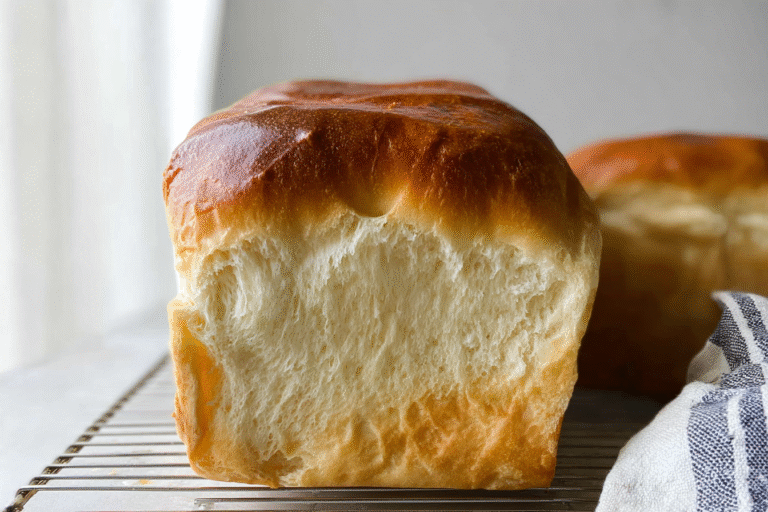
Japanese Milk Bread
🍞 Experience irresistibly soft and fluffy bread thanks to the unique tangzhong technique used in this Japanese Milk Bread recipe.
🌟 Perfect for sandwiches or toast, this bread stays fresh longer and has a tender crumb that melts in your mouth.
- Total Time: 3 hours 25 minutes
- Yield: 1 loaf (4 rolls) 1x
Ingredients
3 tablespoons water
3 tablespoons whole milk
2 tablespoons flour
2 1/2 cups flour
2 tablespoons dry milk
1/4 cup granulated sugar
1 teaspoon table salt
1 tablespoon instant yeast
1/2 cup whole milk
1 large egg
4 tablespoons unsalted butter, melted
Instructions
1-Step 1: Prepare the Tangzhong First, combine 3 tablespoons water, 3 tablespoons whole milk, and 2 tablespoons flour in a small saucepan. Whisk until smooth, then cook over low heat, whisking constantly until the mixture thickens and leaves lines on the pan, about 3 to 5 minutes. Let it cool to lukewarm before using. This step is crucial as it gelatinizes the starches, leading to a softer crumb. Once cooled, you’ll mix it into the dough for better texture.
2-Step 2: Mix and Knead the Dough Next, measure 2 1/2 cups flour and combine the tangzhong with the remaining dough ingredients: 2 tablespoons dry milk, 1/4 cup granulated sugar, 1 teaspoon table salt, 1 tablespoon instant yeast, 1/2 cup whole milk, 1 large egg, and 4 tablespoons unsalted butter, melted. Mix and knead by machine or hand until smooth and elastic, about 15 minutes by mixer. Kneading develops the gluten, which gives the bread its structure. If you’re new to baking, use a stand mixer for ease, but hand kneading works well too.
3-Step 3: First Rise Shape the dough into a ball and place it in a lightly greased bowl, covered, for 1 to 1 1/2 hours until puffy. This rising time allows the yeast to activate and the dough to double in size. A warm spot, like near a window or on a sunny counter, speeds up the process. Keep an eye on it to avoid over-proofing.
4-Step 4: Shape the Dough Deflate the dough and divide it into four equal portions, each weighing about 170 to 175 grams. Flatten each portion into a 5 by 8-inch rectangle, fold the short ends toward the middle, flatten again to about 3 by 6 inches, then roll into a 4-inch log starting from a short end. Place the rolls seam side down in a lightly greased loaf pan. Shaping properly ensures even baking and a professional look. This is where the fun begins for travelers or newlyweds experimenting in the kitchen.
5-Step 5: Second Rise and Baking Cover the pan and let the dough rise for 40 to 50 minutes until puffy. Preheat the oven to 350°F near the end of rising. Brush the loaf with milk and bake for 30 to 35 minutes until golden brown and the internal temperature reaches 190°F. Cool briefly in the pan, then transfer to a rack to cool completely. For dietary adaptations, use substitutes like plant-based milk or gluten-free flour during mixing.
6-Additional step: Prepare all ingredients by measuring and bringing dairy products to room temperature for proper mixing. In a large bowl, combine bread flour, sugar, salt, and yeast; mix well. Add milk, egg, and softened butter to the dry ingredients and knead until smooth and elastic, about 10 minutes by hand or 5 minutes using a stand mixer. Place the dough in a greased bowl, cover, and let it rise for 1 to 1.5 hours until doubled. Punch down, divide, shape, and proof for 45 minutes, then bake at 350°F for 30-35 minutes.
Last Step:
Please leave a rating and comment letting us know how you liked this recipe! This helps our business to thrive and continue providing free, high-quality recipes for you.Notes
🍞 The tangzhong technique gelatinizes starches for softer, moister bread that stays fresh longer.
🥚 For a shiny, dark crust, use an egg wash made by whisking one egg with one tablespoon cold water and brush before baking.
🍩 Try tangzhong in rolls, buns, or other enriched breads for soft texture and freshness.
- Prep Time: 30 minutes
- Rising and cooling time: 2 hours 20 minutes
- Cook Time: 30 to 35 minutes
- Category: Bread, Snack
- Method: Kneading, Baking
- Cuisine: Japanese
- Diet: Vegetarian
Nutrition
- Serving Size: 1 slice
- Calories: 130 kcal
- Sugar: 5 g
- Sodium: 180 mg
- Fat: 3 g
- Saturated Fat: 2 g
- Unsaturated Fat: 1 g
- Trans Fat: 0 g
- Carbohydrates: 22 g
- Fiber: 1 g
- Protein: 4 g
- Cholesterol: 45 mg