
Why You’ll Love This Homemade Vanilla Cake
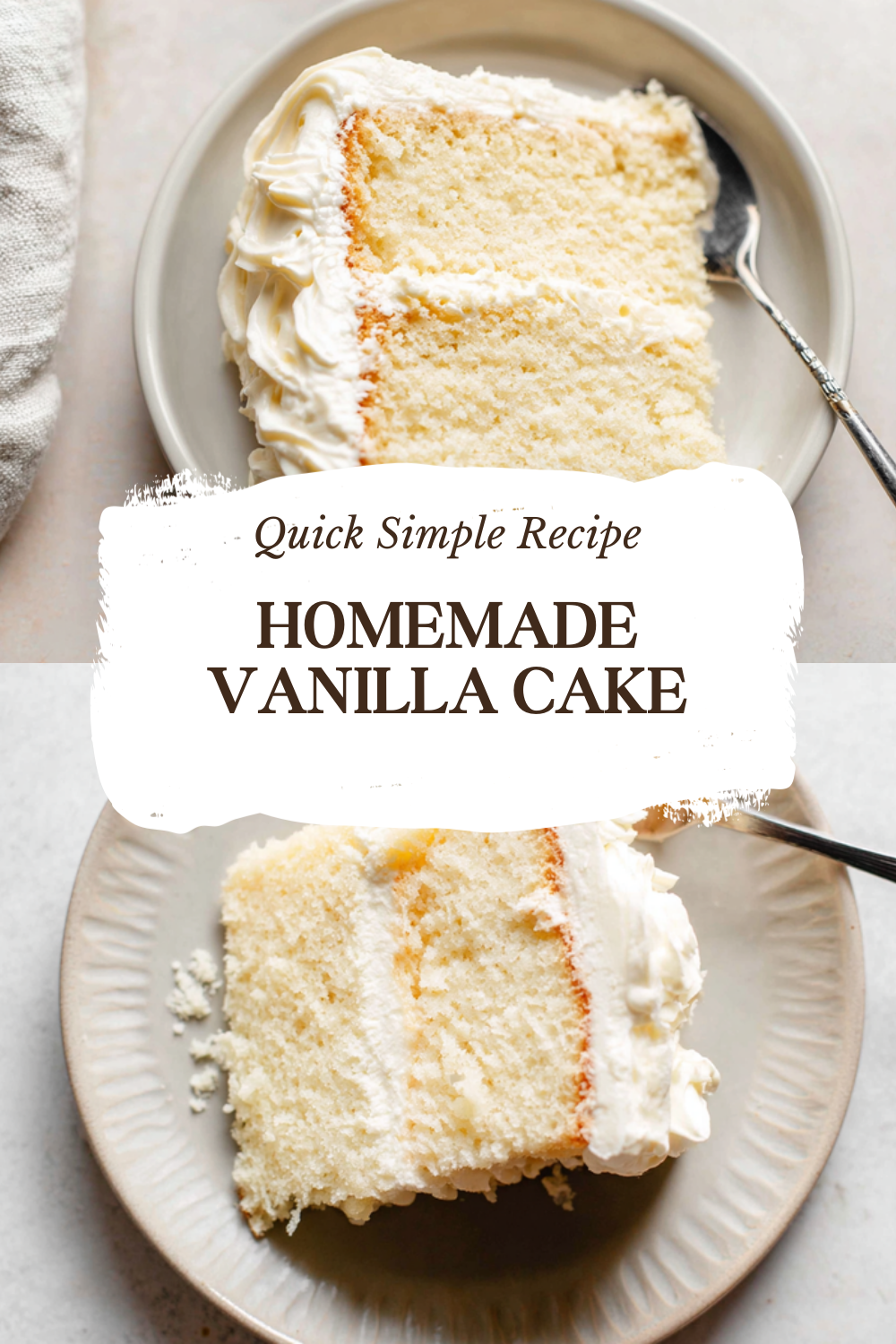
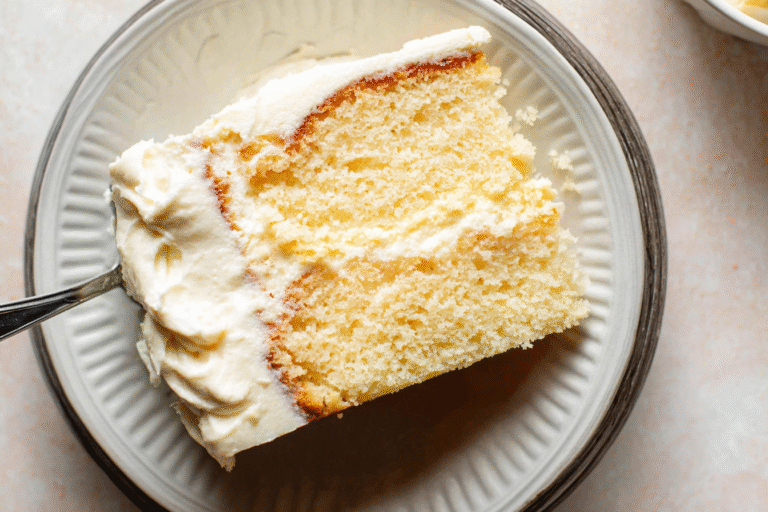
This Homemade Vanilla Cake recipe is a go-to favorite for anyone who wants a simple yet delicious treat that stays moist and tasty for days. With its tender crumb and fresh vanilla flavor, it brings joy to beginners and seasoned bakers alike, making celebrations more special. If you’re like many home cooks balancing busy schedules, this recipe offers a reliable option that’s fun to make and even better to share with family and friends.
One reason you’ll enjoy making this cake is its ease of preparation, which uses basic kitchen tools and takes just about 20 minutes to get ready before baking. It brings health benefits too, like natural ingredients that keep things balanced without overloading on extras, while still providing a satisfying bite. This recipe shines for its versatility, allowing you to tweak it for different tastes or needs, such as vegan or gluten-free versions, so everyone at your table can dig in.
Here are the standout features that make this Homemade Vanilla Cake a winner:
- It uses pure vanilla extract to create a rich, authentic taste that sets it apart from store-bought options.
- The cake holds up well for up to four days when stored properly, perfect for meal prep or leftovers.
- You can bake it in various pan sizes for things like cupcakes or layers, adapting to your occasion.
For those exploring For more baking ideas, consider checking out our banana nut bread recipe for another easy treat that pairs well with this cake. This approach keeps things light and airy, just like this Homemade Vanilla Cake, ensuring every slice feels fresh and inviting.
Jump to:
- Why You’ll Love This Homemade Vanilla Cake
- Essential Ingredients for Homemade Vanilla Cake
- How to Prepare the Perfect Homemade Vanilla Cake: Step-by-Step Guide
- Getting Your Oven and Ingredients Ready
- Mixing the Dry and Wet Components
- Combining and Baking the Batter
- Making the Vanilla Buttercream
- Dietary Substitutions to Customize Your Homemade Vanilla Cake
- Mastering Homemade Vanilla Cake: Advanced Tips and Variations
- Enhancing Flavor and Texture
- Presentation and Storage Hacks
- How to Store Homemade Vanilla Cake: Best Practices
- FAQs: Frequently Asked Questions About Homemade Vanilla Cake
- Can I add sprinkles to my homemade vanilla cake without them sinking?
- Is this vanilla cake recipe good for making multi-layer cakes?
- How can I adjust the baking time if I bake the cake in loaf or bar tins?
- Can I make a smaller or larger batch of this vanilla cake recipe?
- Is it possible to make the frosting ahead of time and store it for later use?
- Homemade Vanilla Cake
- Ingredients
- Instructions
- Last Step:
- Notes
- Nutrition
- Did you make this recipe?
Essential Ingredients for Homemade Vanilla Cake
To make this Homemade Vanilla Cake, you’ll need a handful of key items that come together to create a moist and flavorful result. Start with the basics for the cake itself, ensuring everything is measured out accurately for the best outcome. We’ll also cover the ingredients for a simple vanilla buttercream to top it off, as these are essential for a complete, delicious dessert.
Below is a structured list of all the exact ingredients needed for the Homemade Vanilla Cake. Each one is listed with its precise measurement to help you prepare without any guesswork.
- 2 cups plain/all-purpose flour (cake flour can be used, but plain flour is preferred)
- 2 1/2 teaspoons baking powder
- 1/4 teaspoon kosher salt
- 4 large eggs (50 55g each), at room temperature
- 1 1/2 cups caster or superfine sugar (regular granulated sugar is acceptable)
- 115g unsalted butter, cut into cubes
- 1 cup full-fat milk
- 3 teaspoons vanilla extract
- 3 teaspoons vegetable or canola oil
Now, for the Vanilla Buttercream frosting, here’s the full list of ingredients with their exact measurements to achieve that creamy finish:
- 225g unsalted butter, softened
- 500g soft icing sugar/powdered sugar, sifted
- 3 teaspoons vanilla extract
- 2 to 4 tablespoons milk to adjust thickness
These ingredients work together to ensure your Homemade Vanilla Cake is light, moist, and packed with flavor. For an external reference, check out this easy vanilla cake recipe from Allrecipes for more inspiration on simple baking.
How to Prepare the Perfect Homemade Vanilla Cake: Step-by-Step Guide
Getting started with this Homemade Vanilla Cake is straightforward and rewarding, taking just about 20 minutes of prep time before it heads into the oven for 30 minutes. This guide walks you through each step to ensure your cake turns out golden and moist every time. Follow along carefully, and you’ll have a delicious treat ready for cooling, which takes at least 2 hours before you add frosting.
Getting Your Oven and Ingredients Ready
Begin by preheating your oven to 180°C (350°F), or 160°C if using a fan oven, and position the shelf in the middle for even baking. Grease and line two 20cm (8-inch) cake pans with parchment paper to prevent sticking and make cleanup easier.
Mixing the Dry and Wet Components
Whisk together the flour, baking powder, and salt in a bowl and set it aside. This dry mix is what gives your cake its structure. In another bowl, beat the eggs on medium-high speed for 30 seconds using a stand mixer or hand beater, then slowly add the sugar over 45 seconds while keeping the beating going.
Continue beating for 7 minutes on high speed until the mixture triples in volume and turns pale and white this step is key for a fluffy texture. Heat the butter and milk together until the butter melts, making sure to keep it hot, as this helps blend everything smoothly.
Combining and Baking the Batter
Gradually add the flour mixture to the egg mixture in three parts, mixing briefly on low speed to just incorporate it without overworking. In a separate bowl, whisk about 1 1/2 cups of the egg mixture into the hot milk and butter until it’s smooth and foamy. Slowly pour this milk mixture back into the egg mixture on low speed, scraping the sides, and mix briefly until smooth.
Pour the batter evenly into the prepared cake pans and tap them on the counter to remove large air bubbles. Bake for approximately 30 minutes or until the surface is golden and a toothpick inserted comes out clean. Let the cakes cool in the pans for 15 minutes, then turn them out onto racks; cool them upside down for flat layers.
Making the Vanilla Buttercream
For the frosting, beat the softened butter on high speed until it’s pale and fluffy, about 3 minutes. Gradually add the sifted icing sugar in three parts, beating slowly at first then on high speed for 3 minutes until fluffy. Add the vanilla extract and milk, and beat for another 30 seconds, adjusting the milk to get your desired consistency. Use it right away or refrigerate and re-whip before decorating.
To dive deeper into related recipes, you might like our maple gingerbread coffee cake, which offers a cozy twist on similar baking techniques.

Dietary Substitutions to Customize Your Homemade Vanilla Cake
One of the best parts of this Homemade Vanilla Cake is how easy it is to adapt for different needs, whether you’re cooking for dietary preferences or just experimenting. With a few swaps, you can keep the cake moist and delicious while making it work for everyone. Let’s look at some straightforward options to tweak the recipe without losing that classic flavor.
Protein and main component alternatives include using flaxseed or chia seeds mixed with water instead of eggs for vegan diets. You can swap whole milk for almond or soy milk to make it dairy-free, and replace butter with coconut oil or vegan butter for a plant-based version. These changes help maintain the cake’s texture while fitting various lifestyles.
For vegetable, sauce, and seasoning modifications, try adding mashed bananas or applesauce to boost moisture and natural sweetness. Swap vanilla extract for almond or hazelnut extracts to vary the taste, or mix in ground spices like cinnamon for a warm twist. Folding in seasonal fruits can also enhance freshness, making your Homemade Vanilla Cake even more versatile.
Mastering Homemade Vanilla Cake: Advanced Tips and Variations
Once you get comfortable with the basics of this Homemade Vanilla Cake, you can level up with some pro techniques that make your baking even better. For instance, always use room temperature eggs to help them whip up lighter and give your cake that perfect rise. If your kitchen is chilly, warm your mixing bowls first to aid in aerating the eggs, which keeps the batter airy and prevents it from deflating.
Enhancing Flavor and Texture
Ensure your baking powder is fresh to help the cake rise properly, and add the hot butter-milk mixture right away without letting it cool. This step preserves the aeration and leads to a tender crumb that’s hard to beat. Avoid common pitfalls like substituting full-fat milk with non-dairy options, as it might change the texture, and don’t reduce the sugar since it plays a key role in rising and balancing sweetness.
Tap your pans on the counter to remove large bubbles, which stops holes from forming and ensures even browning. For variations, experiment with flavors by adding citrus zest or espresso powder, or try baking in different pan sizes with adjusted times to fit your needs. This cake is versatile enough for muffins or loaves, making it a fun base for creativity.
Presentation and Storage Hacks
Garnish your finished cake with fresh berries or a dusting of powdered sugar for a simple yet elegant look. If you’re prepping ahead, make the layers in advance, wrap them tightly, and freeze for up to a month it’s a great way to stay organized for events. Remember to cool cakes upside down for flat layers or right side up if you prefer a domed top.
| Nutrient | Amount per Slice (10 servings) |
|---|---|
| Calories | 339 |
| Carbohydrates | 51g |
| Protein | 6g |
| Fat | 13g (Saturated Fat: 7g) |
| Cholesterol | 91mg |
| Sodium | 97mg |
| Fiber | 1g |
| Sugar | 31g |
| Vitamin A | 434 IU |
| Calcium | 90mg |
| Iron | 2mg |
As you can see from the table above, this cake offers a balanced nutritional profile, making it a smart choice for your baking routine.
How to Store Homemade Vanilla Cake: Best Practices
Keeping your Homemade Vanilla Cake fresh and moist is simple with the right storage methods, and it can last up to four days at room temperature if covered properly. This helps maintain that soft texture without much effort, ideal for busy parents or anyone planning ahead. Freezing is another great option for longer storage, letting you enjoy it later with ease.
- Store the cake in an airtight container at room temperature to keep it from drying out.
- For freezing, wrap it tightly in plastic wrap and then foil, and it will stay good for up to three months.
- To reheat, warm slices in the microwave or oven briefly to bring back that just-baked feel.
- Portion it into servings before storing to make meal prep smoother for your daily routine.
Prefer pans without loose bottoms to avoid leaks, and always seal them well if you use them, as this keeps your cake intact.
FAQs: Frequently Asked Questions About Homemade Vanilla Cake
Can I add sprinkles to my homemade vanilla cake without them sinking?
Adding sprinkles to this vanilla cake batter is not recommended because they tend to sink to the bottom during baking. To prevent this, lightly toss sprinkles in a bit of flour before folding them gently into the batter. However, for a smooth texture and even rise, it’s best to bake the cake plain and add sprinkles as decoration on the frosting after baking.
Is this vanilla cake recipe good for making multi-layer cakes?
Yes, this recipe produces a firm yet tender cake that can support stacking 3 to 4 layers without squishing the lower layers. Make sure to cool the layers completely before stacking and use a sturdy frosting or buttercream to keep the layers stable.
How can I adjust the baking time if I bake the cake in loaf or bar tins?
Since loaf and bar tins vary in size, there’s no exact baking time provided. Generally, these shapes require longer baking. Start checking for doneness at about 25-30 minutes by inserting a toothpick—if it comes out clean, the cake is ready. Adjust the oven temperature and time accordingly to avoid over- or under-baking.
Can I make a smaller or larger batch of this vanilla cake recipe?
You can easily halve this recipe to make a smaller cake or double/triple it for larger gatherings. When halving, use a smaller pan and bake for less time. For larger quantities, divide the batter evenly between pans and maintain the same baking temperature, increasing the time as needed. Using the serving adjuster tool can help scale ingredient amounts accurately.
Is it possible to make the frosting ahead of time and store it for later use?
Yes, you can prepare the vanilla buttercream frosting in advance. Store it in an airtight container in the refrigerator for up to one week. Before applying, let it come to room temperature and re-whip to restore its creamy texture. Freezing the frosting is also an option—freeze in portions, thaw overnight in the fridge, then whip before using.
Homemade Vanilla Cake
🎂 Vanilla Cake Recipe That Stays Moist and Delicious for Days ensures a tender and fluffy cake perfect for celebrations or everyday treats.
🥛 This recipe combines rich butter, creamy milk, and quality vanilla to create lasting moisture and delightful flavor.
- Total Time: 2 hours 50 minutes
- Yield: 10 servings
Ingredients
– 2 cups plain/all-purpose flour (cake flour can be used, but plain flour is preferred)
– 2 1/2 teaspoons baking powder
– 1/4 teaspoon kosher salt
– 4 large eggs (50 55g each), at room temperature
– 1 1/2 cups caster or superfine sugar (regular granulated sugar is acceptable)
– 115g unsalted butter, cut into cubes
– 1 cup full-fat milk
– 3 teaspoons vanilla extract
– 3 teaspoons vegetable or canola oil
– 225g unsalted butter, softened
– 500g soft icing sugar/powdered sugar, sifted
– 3 teaspoons vanilla extract
– 2 to 4 tablespoons milk to adjust thickness
Instructions
1-Getting Your Oven and Ingredients Ready: Begin by preheating your oven to 180°C (350°F), or 160°C if using a fan oven, and position the shelf in the middle for even baking. Grease and line two 20cm (8-inch) cake pans with parchment paper to prevent sticking and make cleanup easier.
2-Mixing the Dry and Wet Components: Whisk together the flour, baking powder, and salt in a bowl and set it aside. This dry mix is what gives your cake its structure. In another bowl, beat the eggs on medium-high speed for 30 seconds using a stand mixer or hand beater, then slowly add the sugar over 45 seconds while keeping the beating going.
Continue beating for 7 minutes on high speed until the mixture triples in volume and turns pale and white this step is key for a fluffy texture. Heat the butter and milk together until the butter melts, making sure to keep it hot, as this helps blend everything smoothly.
3-Combining and Baking the Batter: Gradually add the flour mixture to the egg mixture in three parts, mixing briefly on low speed to just incorporate it without overworking. In a separate bowl, whisk about 1 1/2 cups of the egg mixture into the hot milk and butter until it’s smooth and foamy. Slowly pour this milk mixture back into the egg mixture on low speed, scraping the sides, and mix briefly until smooth.
Pour the batter evenly into the prepared cake pans and tap them on the counter to remove large air bubbles. Bake for approximately 30 minutes or until the surface is golden and a toothpick inserted comes out clean. Let the cakes cool in the pans for 15 minutes, then turn them out onto racks; cool them upside down for flat layers.
4-Making the Vanilla Buttercream: For the frosting, beat the softened butter on high speed until it’s pale and fluffy, about 3 minutes. Gradually add the sifted icing sugar in three parts, beating slowly at first then on high speed for 3 minutes until fluffy. Add the vanilla extract and milk, and beat for another 30 seconds, adjusting the milk to get your desired consistency. Use it right away or refrigerate and re-whip before decorating.
Last Step:
Please leave a rating and comment letting us know how you liked this recipe! This helps our business to thrive and continue providing free, high-quality recipes for you.Notes
🍳 Use room temperature eggs for better whipping and lighter texture.
🏺 Warm mixing bowls if kitchen is cold to aid egg aeration.
🧁 Add hot butter-milk mixture immediately; do not let it cool for best batter consistency.
- Prep Time: 20 minutes
- Cooling Time: 2 hours
- Cook Time: 30 minutes
- Category: Dessert
- Method: Baking
- Cuisine: American
- Diet: Vegetarian
Nutrition
- Serving Size: 1 slice
- Calories: 339
- Sugar: 31g
- Sodium: 97mg
- Fat: 13g
- Saturated Fat: 7g
- Unsaturated Fat: 4g
- Trans Fat: 0g
- Carbohydrates: 51g
- Fiber: 1g
- Protein: 6g
- Cholesterol: 91mg