

Why You’ll Love This Classic Cheesecake
This classic cheesecake recipe stands out for its simplicity and appeal, making it a go-to choice for anyone eager to whip up something special. With straightforward steps that take just a little time, it’s ideal for bakers of all skill levels, whether you’re a busy parent rushing through the evening or a student looking for a fun weekend project. You’ll appreciate how the wholesome ingredients come together to create a dessert that’s not only delicious but also adds a touch of nutrition to your day.
One of the best parts is the health benefits that come from this recipe. For instance, the cream cheese provides calcium, while the eggs add protein, helping it fit into a balanced diet without feeling guilty. If you’re diet-conscious, you can tweak it easily, like opting for lower-fat options to keep things light. Plus, its versatility means you can adapt it for different needs, such as vegan or gluten-free versions, all while keeping that smooth, creamy texture intact.
What really makes this cheesecake shine is its distinctive flavor profile a perfect balance of sweetness with a hint of vanilla that delivers a rich and memorable experience. Imagine serving this at your next gathering as a party host, impressing friends and family with a homemade treat that’s both elegant and satisfying. For more baking ideas, check out our banana chocolate chip muffins recipe, which pairs wonderfully with desserts like this one. Whether you’re a food enthusiast exploring new tastes or a working professional needing a quick indulgence, this recipe will quickly become a favorite in your kitchen.
Key Features That Make It Special
Let’s break down what sets this classic cheesecake apart. Ease of preparation means you can have it ready with minimal fuss, perfect for those spontaneous moments. The nutritional advantages, like the calcium and protein, make it a smarter choice compared to other desserts. And don’t forget the adaptability it adapts seamlessly to various diets, ensuring everyone at the table can enjoy a slice.
To delve deeper, consider how the flavor combines smoothness and richness in every bite. This makes it versatile for different occasions, from family dinners to celebrations with newlyweds. Overall, it’s a recipe that brings joy and satisfaction, enhancing your everyday routines with its delightful taste.
Jump to:
- Why You’ll Love This Classic Cheesecake
- Key Features That Make It Special
- Essential Ingredients for Classic Cheesecake
- How to Prepare the Perfect Classic Cheesecake: Step-by-Step Guide
- Tips for Smooth Baking
- Dietary Substitutions to Customize Your Classic Cheesecake
- Mastering Classic Cheesecake: Advanced Tips and Variations
- Nutritional Breakdown
- How to Store Classic Cheesecake: Best Practices
- FAQs: Frequently Asked Questions About Classic Cheesecake
- What type of cream cheese is best for making a classic cheesecake?
- Do I need to bake a cheesecake in a water bath to prevent cracks?
- How can I store or freeze leftover cheesecake?
- Is salted or unsalted butter better for making cheesecake crust?
- Can I use a different pan size for baking cheesecake?
- Classic Cheesecake
- Ingredients
- Instructions
- Last Step:
- Notes
- Nutrition
- Did you make this recipe?
Essential Ingredients for Classic Cheesecake
Gathering the right ingredients is the first step to creating a perfect classic cheesecake. Below, you’ll find a structured list of everything needed, based on the precise measurements from this recipe. This ensures your baking goes smoothly and results in that creamy, smooth texture we all love.
- 1 ½ cups (170g) graham cracker crumbs (for the crust)
- 2 tablespoons sugar (for the crust)
- 1 tablespoon brown sugar (for the crust, and you can substitute with white sugar)
- 7 tablespoons melted butter (for the crust)
- 32 oz (910g) cream cheese softened to room temperature (for the filling)
- 1 cup (200g) sugar (for the filling)
- ⅔ cup (160g) sour cream (for the filling)
- 1 ½ teaspoons vanilla extract (for the filling)
- ⅛ teaspoon salt (for the filling)
- 4 large eggs (room temperature and lightly beaten, for the filling)
These ingredients form the base of your classic cheesecake, providing the rich flavor and structure. For special dietary options, you can swap items like using plant-based cream cheese for vegan versions or gluten-free crumbs for those with restrictions. Remember, having everything at room temperature helps achieve that flawless mix without lumps.
How to Prepare the Perfect Classic Cheesecake: Step-by-Step Guide
Getting started with this classic cheesecake is easier than you might think, and following these steps will lead to amazing results. Begin by preheating your oven to 325°F (160°C), which sets the stage for even baking. Mix the graham cracker crumbs with sugar and brown sugar, then blend in the melted butter to create a firm crust that holds everything together.
Press this mixture firmly into the bottom and up the sides of a 9-inch springform pan for a sturdy base. In a mixer, beat the softened cream cheese until it’s smooth and creamy, taking care not to over-beat to keep the texture just right. Gradually add the sugar and blend until it’s fully incorporated, then mix in the sour cream, vanilla extract, and salt, scraping the bowl sides as needed for an even blend.
Slowly add the lightly beaten eggs one at a time, mixing on low speed just until combined after each addition. This gentle approach helps prevent cracking and ensures a silky finish. Pour the batter into the prepared crust on a foil-lined cookie sheet to catch any leaks, then bake for 50-60 minutes until the edges are puffed and golden, with the center still slightly jiggly.
Tips for Smooth Baking
After baking, let the cheesecake cool on top of the oven for 10 minutes, then loosen the edges with a knife to minimize cracking. Allow it to cool at room temperature for 1-2 hours until it’s near room temperature before refrigerating for at least 6 hours or overnight. For the best outcome, remove the springform pan ring right before serving to keep that perfect shape.
Preparation time includes 20 minutes of prep, 1 hour and 15 minutes of cook time, and at least 6 hours for cooling and chilling, totaling about 7 hours and 35 minutes. If you’re looking for more baking inspiration, our chocolate zucchini bread offers a great complementary recipe for your repertoire.

Dietary Substitutions to Customize Your Classic Cheesecake
Making this classic cheesecake work for your dietary needs is simple with a few smart swaps. For the main components, opt for plant-based cream cheese if you’re following a vegan diet, or use reduced-fat versions to cut calories without losing that creamy feel. Eggs can be replaced with flaxseeds or chia seeds mixed with water to act as a binder, keeping the structure intact.
When it comes to flavors and add-ins, fresh fruits like strawberries or blueberries can enhance the topping for a seasonal twist. For gluten-free options, swap the graham cracker crumbs with almond flour or coconut flour crusts to maintain that crunch. You can also experiment with spices such as cinnamon or lemon zest to add a unique flair while preserving the classic base.
Mastering Classic Cheesecake: Advanced Tips and Variations
Taking your classic cheesecake to the next level involves some pro techniques, like using a water bath to ensure even heat and moisture, which helps avoid cracks and overbaking. This method keeps the interior creamy while the edges set perfectly. For flavor variations, try swirling in chocolate or drizzling caramel for a decadent upgrade, or add espresso powder for a coffee-inspired twist.
Presentation is key, so garnish with fresh berries, mint leaves, or edible flowers to make it look as good as it tastes. If you’re planning ahead, prepare the cheesecake a day early and refrigerate it, as this actually improves the flavor and texture. Remember, for more tips on baking, check out tips from Reddit on creating stellar cheesecakes.
Nutritional Breakdown
Here’s a quick table of the nutritional information per slice, based on a recipe that serves 12, to help you make informed choices:
| Nutrient | Amount per Slice |
|---|---|
| Calories | 500 kcal |
| Carbohydrates | 32 g |
| Protein | 8 g |
| Fat | 36 g (Saturated Fat: 22 g) |
| Cholesterol | 179 mg |
| Sodium | 450 mg |
| Sugar | 24 g |
This recipe highlights the importance of quality ingredients, as noted in various baking guides. For detailed nutritional data, visit nutritional information from The Cheesecake Factory.
How to Store Classic Cheesecake: Best Practices
Proper storage keeps your classic cheesecake fresh and tasty for longer. Keep it covered in the refrigerator for up to 5 days to preserve its creamy texture and prevent it from drying out. For longer-term options, wrap it tightly in plastic wrap and aluminum foil before freezing, where it can last up to 2 months.
When you’re ready to enjoy it, thaw in the refrigerator overnight to maintain that smooth consistency. Serve it chilled or let it sit at room temperature for 20-30 minutes, but avoid microwaving to keep the texture intact. For meal prep, portion it into individual servings ahead of time for easy grab-and-go treats.
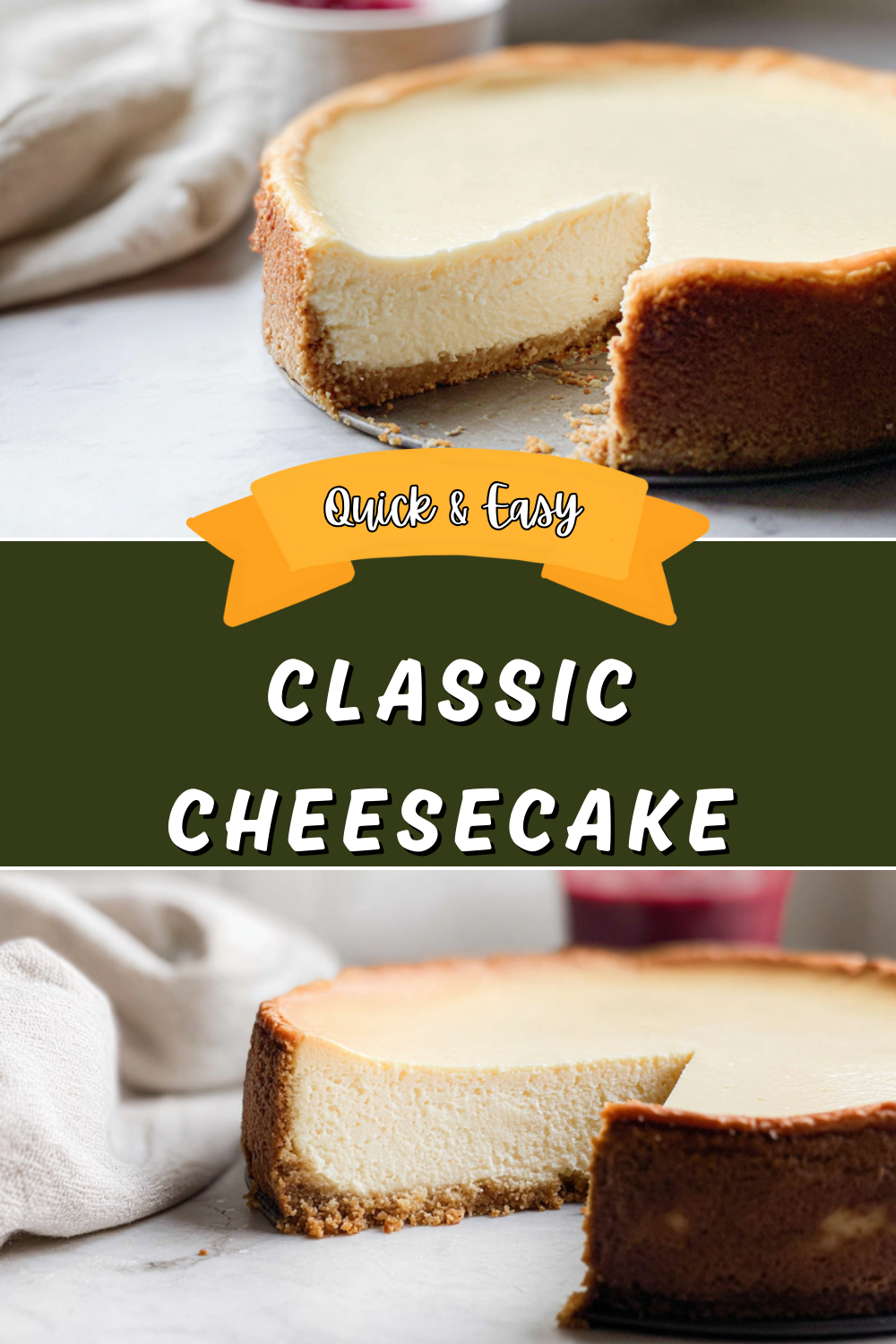
FAQs: Frequently Asked Questions About Classic Cheesecake
What type of cream cheese is best for making a classic cheesecake?
For a classic cheesecake, use brick-style cream cheese softened to room temperature. Avoid the spreadable cream cheese found in tubs, as it contains extra stabilizers and moisture that can affect texture. Softening the cream cheese allows for smooth mixing, resulting in a creamy and dense cheesecake.
Do I need to bake a cheesecake in a water bath to prevent cracks?
A water bath isn’t always necessary. This classic cheesecake recipe is designed to bake at a low temperature to minimize cracks. To avoid cracks, mix the batter gently without over-beating, bake evenly without frequently opening the oven door, and cool the cheesecake gradually before refrigerating.
How can I store or freeze leftover cheesecake?
Cheesecake freezes well when wrapped tightly in plastic wrap and aluminum foil after it has completely chilled. For best results, thaw frozen cheesecake in the refrigerator overnight. This helps maintain its creamy texture and flavor while preventing ice crystals from forming.
Is salted or unsalted butter better for making cheesecake crust?
Salted butter is typically used in cheesecake crust to add balanced flavor. If using unsalted butter, you can add a small pinch of salt to the crust mix to achieve similar taste. Using quality butter with around 80% fat content helps produce a crisp and flavorful crust.
Can I use a different pan size for baking cheesecake?
Yes, you can bake cheesecake in pans of different sizes, but baking time and thickness will vary. For example, using a 10-inch springform pan instead of 9-inch might shorten baking time by several minutes. Always check for doneness by gently shaking the pan; the center should be slightly jiggly but set at the edges.
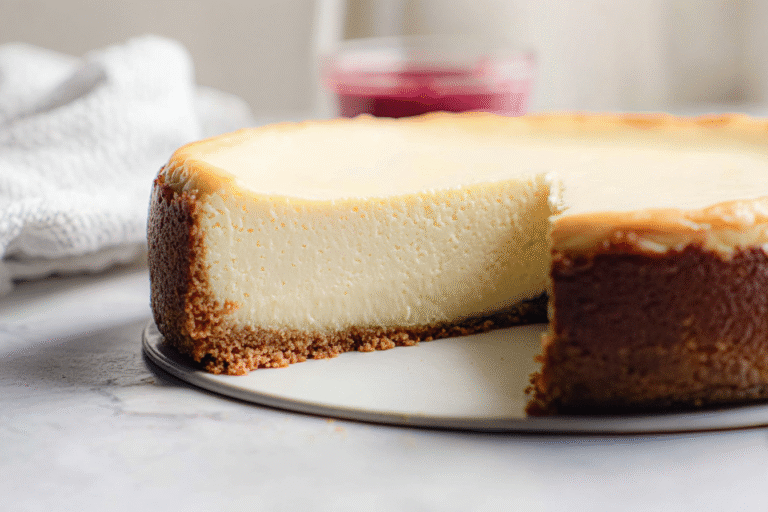
Classic Cheesecake
🍰 Experience the rich, creamy texture of this classic cheesecake that melts in your mouth with every bite.
🎂 Perfectly smooth and indulgent, this cheesecake is an ideal dessert for special occasions or everyday treats.
- Total Time: 7 hours 35 minutes
- Yield: 12 servings
Ingredients
– 1 ½ cups (170g) graham cracker crumbs for the crust
– 2 tablespoons sugar for the crust
– 1 tablespoon brown sugar for the crust
– 7 tablespoons melted butter for the crust
– 32 oz (910g) cream cheese softened to room temperature for the filling
– 1 cup (200g) sugar for the filling
– ⅔ cup (160g) sour cream for the filling
– 1 ½ teaspoons vanilla extract for the filling
– ⅛ teaspoon salt for the filling
– 4 large eggs room temperature and lightly beaten for the filling
Instructions
1-Getting started with this classic cheesecake is easier than you might think, and following these steps will lead to amazing results. Begin by preheating your oven to 325°F (160°C), which sets the stage for even baking. Mix the graham cracker crumbs with sugar and brown sugar, then blend in the melted butter to create a firm crust that holds everything together.
2-Press this mixture firmly into the bottom and up the sides of a 9-inch springform pan for a sturdy base. In a mixer, beat the softened cream cheese until it’s smooth and creamy, taking care not to over-beat to keep the texture just right. Gradually add the sugar and blend until it’s fully incorporated, then mix in the sour cream, vanilla extract, and salt, scraping the bowl sides as needed for an even blend.
3-Slowly add the lightly beaten eggs one at a time, mixing on low speed just until combined after each addition. This gentle approach helps prevent cracking and ensures a silky finish. Pour the batter into the prepared crust on a foil-lined cookie sheet to catch any leaks, then bake for 50-60 minutes until the edges are puffed and golden, with the center still slightly jiggly.
4-After baking, let the cheesecake cool on top of the oven for 10 minutes, then loosen the edges with a knife to minimize cracking. Allow it to cool at room temperature for 1-2 hours until it’s near room temperature before refrigerating for at least 6 hours or overnight. For the best outcome, remove the springform pan ring right before serving to keep that perfect shape.
Last Step:
Please leave a rating and comment letting us know how you liked this recipe! This helps our business to thrive and continue providing free, high-quality recipes for you.Notes
🧀 Ensure all ingredients are at room temperature for a smooth texture and to prevent lumps.
🥚 Beat eggs gently and mix on low speed to avoid cracking.
🚪 Avoid opening the oven door during baking to maintain temperature stability.
- Prep Time: 20 minutes
- Chilling time: 6 hours
- Cook Time: 1 hour 15 minutes
- Category: Dessert
- Method: Baking
- Cuisine: American
- Diet: Vegetarian
Nutrition
- Serving Size: 1 slice
- Calories: 500 kcal
- Sugar: 24 g
- Sodium: 450 mg
- Fat: 36 g
- Saturated Fat: 22 g
- Unsaturated Fat: 4 g
- Carbohydrates: 32 g
- Fiber: 1 g
- Protein: 8 g
- Cholesterol: 179 mg