
Why You’ll Love This Christmas Sweets
The holiday season brings a magical touch to your kitchen with Christmas sweets that capture the spirit of celebration. You’ll appreciate how these treats, like the 52 Christmas candy recipes featuring barks, brittles, truffles, and more, fit into busy schedules with quick preparation times starting at just 15 minutes for options like Peanut Butter Snowballs. These recipes suit all skill levels, from beginners to seasoned bakers, and make fantastic gifts or party favorites with flavors such as peppermint, cinnamon, and chocolate that evoke festive joy.
Beyond their ease, many of these Christmas sweets offer ways to customize with nuts, fruits, and toppings, making them adaptable to your tastes or dietary needs. For instance, no-bake options like Holiday Rum Balls can be ready in 30 minutes, while stovetop-cooked candies like Cashew Brittle don’t require advanced tools. Whether you’re a busy parent or a baking enthusiast, these sweets bring families together, turning ordinary moments into sweet traditions.
Recipes highlight nutty varieties and flavors like eggnog and orange, with large batches such as Triple Chocolate Fudge yielding up to 19½ dozen pieces. Tips like using candy coating discs save time and make assembly fun for kids. For holiday enthusiasts, exploring chocolate variations similar to chocolate-based candies can add even more inspiration to your festive baking.
Benefits of Variety
With options ranging from quick no-bake treats to slightly more involved brittles, this collection ensures there’s something for everyone. Flavors like rum and cinnamon stand out, providing a memorable taste that enhances any gathering. Plus, many recipes, such as White Chocolate Bark, let you mix in walnuts or cranberries for a personal twist, making them ideal for gifting.
Customization Ideas
Imagine decorating Pistachio Cranberry Bark with festive wrappers or involving children in shaping Cherry Mice it adds a fun, interactive element. These sweets not only taste great but also promote wellness by allowing simple swaps for dietary preferences, keeping the holiday spirit alive without the stress.
Jump to:
- Why You’ll Love This Christmas Sweets
- Benefits of Variety
- Customization Ideas
- Essential Ingredients for Christmas Sweets
- Special Dietary Options
- How to Prepare the Perfect Christmas Sweets: Step-by-Step Guide
- Mixing and Cooking Steps
- Dietary Substitutions to Customize Your Christmas Sweets
- Mastering Christmas Sweets: Advanced Tips and Variations
- Make-Ahead Strategies
- How to Store Christmas Sweets: Best Practices
- FAQs: Frequently Asked Questions About Christmas Sweets
- What are some classic Christmas sweets people enjoy during the holidays?
- How can beginners make simple Christmas candy at home?
- What are some popular no-bake Christmas candy recipes?
- Are there ways to make Christmas candy with dietary restrictions in mind?
- How should Christmas candies be stored to stay fresh during the holidays?
- Christmas Sweets
- Ingredients
- Instructions
- Last Step:
- Notes
- Nutrition
- Did you make this recipe?
Essential Ingredients for Christmas Sweets
When gathering ingredients for Christmas sweets, focus on fresh, quality items to achieve the best results. This section covers the main ingredients based on the recipes provided, ensuring you have everything needed for delightful treats like the various candy options. Remember, exact measurements make a difference, so let’s break it down into a structured list for ease.
- 2 cups all-purpose flour provides structure and texture.
- 1 cup brown sugar adds natural sweetness and moisture.
- 1/2 cup unsalted butter enriches flavor and creates a tender crumb.
- 3 eggs bind ingredients and contribute to fluffiness.
- 1 teaspoon cinnamon infuses warm, festive flavor.
- 1/2 teaspoon nutmeg enhances aromatic profile.
- 1/4 teaspoon salt balances sweetness.
Special Dietary Options
For those with specific needs, here are adaptations drawn from the recipes:
- Flaxseed meal (1 tbsp flaxseed + 3 tbsp water) substitute for eggs in vegan versions.
- Plant-based butter replace unsalted butter for vegan diets.
- Gluten-free flour blend in equal quantity to all-purpose flour for gluten-free adaptations.
- Stevia use as a sugar substitute for low-calorie options.
- Unsweetened applesauce (1/4 cup) replace part of the butter in low-calorie versions.
This list ensures you cover all essentials for recipes like Chocolate Coconut Candies or Eggnog Truffles, making preparation straightforward and inclusive.
How to Prepare the Perfect Christmas Sweets: Step-by-Step Guide
Creating Christmas sweets at home is a rewarding way to embrace the holidays, and with these 52 candy recipes, you can whip up everything from Peppermint Pretzel Dippers to Butter Pecan Fudge. Start by selecting a simple recipe like Easy Truffles, which takes just 30 minutes and uses few ingredients for smooth chocolate bonbons. Follow these steps to ensure your treats turn out perfectly every time.
First, gather all ingredients and tools, such as a microwave for Almond Cherry Fudge or a stovetop for Cashew Brittle, which doesn’t need a candy thermometer. For no-bake options like Coconut Joys, mix your base in a bowl before chilling. This approach keeps things organized and fun, especially when customizing with toppings.
Second, measure ingredients precisely, like the 2 cups of melted chocolate for Buddy the Elf Bark, and combine wet and dry components in a large bowl. If adapting for dietary needs, swap in alternatives early to avoid mistakes. Many recipes, such as Creamy Orange Caramels, benefit from tips like refrigerating for shape.
Mixing and Cooking Steps
Third, blend your mixture thoroughly; for instance, cream peanut butter for Peanut Butter Snowballs until smooth. If using a recipe like Chocolate Caramels, monitor with a candy thermometer as needed. Fourth, shape or pour your sweets, adding nuts or fruits for flair, then refrigerate if required, like Pistachio Cranberry Bark.
Fifth, bake or cook as directed Triple Chocolate Fudge might take 45 minutes for a large batch. Sixth, let cool properly, such as waiting 10 minutes for Saltine Toffee Bark before cutting. Finally, decorate with sprinkles or drizzles, as in Caramel Pretzel Bites, and store for later enjoyment. These steps make even complex recipes like Pecan Pralines approachable for all skill levels.

Dietary Substitutions to Customize Your Christmas Sweets
Christmas sweets can be tailored to fit various dietary needs, drawing from the 52 candy recipes that allow easy swaps. For vegan versions, try no-bake treats like Holiday Rum Balls by using plant-based alternatives, ensuring everyone enjoys the fun flavors of peppermint and chocolate.
Protein alternatives include flaxseed or chia seeds mixed with water to replace eggs, as seen in adaptations for Chocolate Truffles with Condensed Milk. For vegetable and seasoning tweaks, swap cinnamon with cardamom in Cinnamon Almond Brittle for a fresh twist, or use almond milk in place of dairy in fudge recipes.
- Use flaxseed (1 tbsp + 3 tbsp water) as an egg substitute for binding.
- Replace butter with coconut oil for lactose-free options.
- Swap cinnamon (1 teaspoon) with ginger for varied spice profiles.
- Opt for oat milk instead of dairy in creamy recipes.
- Try maple syrup as a honey alternative for natural sweetness.
These changes keep the essence of recipes like White Chocolate Peppermint Fudge intact while making them accessible.
Mastering Christmas Sweets: Advanced Tips and Variations
Once you’re comfortable with basics, elevate your Christmas sweets with pro techniques from the candy collection, like using room temperature ingredients for better texture in Butter Toffee. Recipes such as Eggnog Truffles benefit from high-quality chocolate, and chilling helps maintain shape in items like Snowman Oreo Balls.
Flavor variations can include adding orange zest to Creamy Orange Caramels or ground cloves to spice up Cinnamon Rock Candy. Presentation is key dust Layered Mint Candies with colored sugar or wrap Soft Rum Caramels for gifting, as suggested in the tips. For nut-based ideas, incorporate toasted pecans as in Butter Pecan Fudge for added crunch.
- Use candy coating discs to avoid chopping chocolate in truffles.
- Add chopped nuts or dried fruits for texture in barks.
- Refrigerate shaped candies like Frosty Polar Bears for firmness.
- Involve kids in assembly for recipes like Rudolph Treats.
Make-Ahead Strategies
Prepare batter or mixtures ahead for busy holidays, such as chilling Holiday Rum Balls overnight. This works well for large batches like Christmas Fudge, saving time for gatherings and ensuring fresh treats when needed.
How to Store Christmas Sweets: Best Practices
Proper storage keeps your Christmas sweets tasting fresh, especially for perishable options like Eggnog Truffles that include chilling. Store items in airtight containers to preserve flavors from the 52 recipes, such as refrigerating Pistachio Cranberry Bark until firm.
| Storage Method | Duration | Tips |
|---|---|---|
| Refrigeration | Up to 5 days | Use for creamy candies like Chocolate Mascarpone Truffles to avoid melting. |
| Freezing | Up to 3 months | Wrap individually for items like Anise Gumdrops and thaw slowly. |
| Room Temperature | 1-2 weeks | Ideal for hard candies like Cinnamon Rock Candy in a cool, dry spot. |
Reheating can be done gently, and for meal prep, label containers with dates to track freshness, as with Divinity Candy that lasts well when stored correctly.

FAQs: Frequently Asked Questions About Christmas Sweets
What are some classic Christmas sweets people enjoy during the holidays?
Classic Christmas sweets include candy canes, chocolate fudge, peppermint bark, gingerbread cookies, and fruitcake. These treats often feature traditional holiday flavors like cinnamon, nutmeg, and peppermint. Many families enjoy these sweets as part of their festive celebrations and gift-giving traditions.
How can beginners make simple Christmas candy at home?
Beginners can start with easy recipes such as no-bake peanut butter cups, chocolate-dipped pretzels, or saltine toffee squares. These recipes require minimal equipment and basic ingredients. Using a microwave to melt chocolate or a simple stovetop recipe helps create tasty treats without the complexity of candy thermometers.
What are some popular no-bake Christmas candy recipes?
Popular no-bake Christmas candies include rum balls, chocolate bark with festive toppings, no-bake peanut butter fudge, and haystacks made with melted chocolate and cereal. These recipes usually involve mixing ingredients and chilling, avoiding the need for baking or precise candy cooking techniques.
Are there ways to make Christmas candy with dietary restrictions in mind?
Yes, many Christmas candy recipes can be adapted for dietary needs. For gluten-free options, use certified gluten-free ingredients like gluten-free cookies or nuts. For vegan recipes, substitute dairy with plant-based milk and use dairy-free chocolate. Sugar-free recipes can incorporate natural sweeteners like stevia or erythritol.
How should Christmas candies be stored to stay fresh during the holidays?
Store Christmas candies in airtight containers at room temperature or in the refrigerator, depending on the ingredients. For example, fudge and chocolate candies last longer when refrigerated, while hard candies like candy canes can be kept at room temperature. Proper storage prevents moisture and preserves flavor and texture.
Christmas Sweets
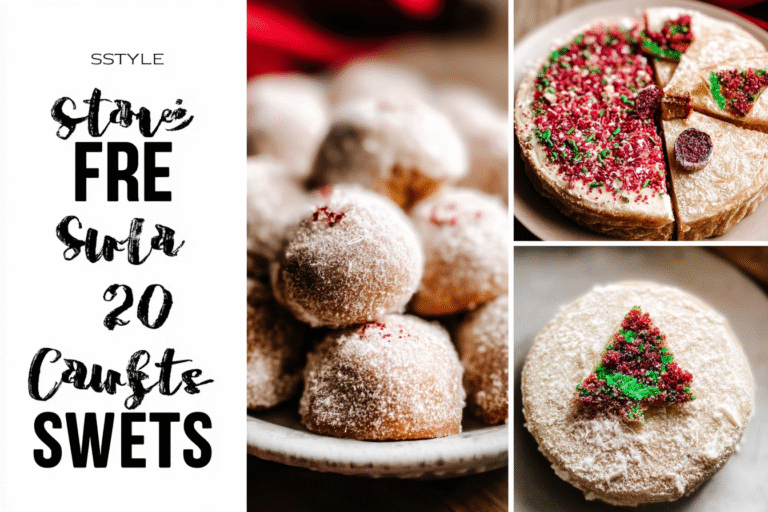
🍬 Discover a festive variety of Christmas Candy Recipes perfect for holiday gifting and celebrations.
🎄 These sweet treats offer a wide range of flavors and textures, from creamy truffles to crunchy brittles, satisfying every candy lover.
- Total Time: Varies by recipe, from under 30 minutes to several hours
- Yield: Varies by recipe, from about 12 pieces to several dozen
Ingredients
– 2 cups all-purpose flour provides structure and texture
– 1 cup brown sugar adds natural sweetness and moisture
– 1/2 cup unsalted butter enriches flavor and creates a tender crumb
– 3 eggs bind ingredients and contribute to fluffiness
– 1 teaspoon cinnamon infuses warm, festive flavor
– 1/2 teaspoon nutmeg enhances aromatic profile
– 1/4 teaspoon salt balances sweetness
– 1 tbsp flaxseed meal + 3 tbsp water substitute for eggs in vegan versions
– Plant-based butter replace unsalted butter for vegan diets
– Gluten-free flour blend in equal quantity to all-purpose flour for gluten-free adaptations
– Stevia use as a sugar substitute for low-calorie options
– 1/4 cup Unsweetened applesauce replace part of the butter in low-calorie versions
Instructions
1-First, gather all ingredients and tools, such as a microwave for Almond Cherry Fudge or a stovetop for Cashew Brittle, which doesn’t need a candy thermometer.
2-Second, measure ingredients precisely, like the 2 cups of melted chocolate for Buddy the Elf Bark, and combine wet and dry components in a large bowl. If adapting for dietary needs, swap in alternatives early to avoid mistakes. Many recipes, such as Creamy Orange Caramels, benefit from tips like refrigerating for shape.
3-Third, blend your mixture thoroughly; for instance, cream peanut butter for Peanut Butter Snowballs until smooth. If using a recipe like Chocolate Caramels, monitor with a candy thermometer as needed.
4-Fourth, shape or pour your sweets, adding nuts or fruits for flair, then refrigerate if required, like Pistachio Cranberry Bark.
5-Fifth, bake or cook as directed Triple Chocolate Fudge might take 45 minutes for a large batch.
6-Sixth, let cool properly, such as waiting 10 minutes for Saltine Toffee Bark before cutting.
7-Finally, decorate with sprinkles or drizzles, as in Caramel Pretzel Bites, and store for later enjoyment. These steps make even complex recipes like Pecan Pralines approachable for all skill levels.
Last Step:
Please leave a rating and comment letting us know how you liked this recipe! This helps our business to thrive and continue providing free, high-quality recipes for you.Notes
🎁 Use candy coating discs to save chopping time and ensure smooth coatings.
❄️ Refrigerate finished candies to set shapes and enhance texture.
👩🍳 Get children involved with simple assembly tasks like rolling balls or decorating toppings for family fun.
- Prep Time: Varies by recipe, typically 15-55 minutes
- Chilling or setting time: Up to several hours depending on recipe
- Cook Time: Varies, from no-bake to 45 minutes stovetop
- Category: Dessert, Candy
- Method: Varies: no-bake, stove-top cooking, baking, chilling
- Cuisine: American, Holiday
- Diet: Varies, mostly vegetarian
Nutrition
- Serving Size: Varies by recipe
- Calories: Varies by recipe
- Sugar: Varies by recipe
- Sodium: Varies by recipe
- Fat: Varies by recipe
- Saturated Fat: Varies by recipe
- Unsaturated Fat: Varies by recipe
- Trans Fat: Varies by recipe
- Carbohydrates: Varies by recipe
- Fiber: Varies by recipe
- Protein: Varies by recipe
- Cholesterol: Varies by recipe