

Why You’ll Love This Buttermilk Substitute
Imagine whipping up your favorite baked goods without running to the store for buttermilk. This simple buttermilk substitute offers a reliable way to add that tangy flavor and tender texture to your recipes, making it a go-to for home cooks. You’ll appreciate how it saves time and uses ingredients you likely have on hand, including just a couple of common pantry items.
One of the best parts is its ease of preparation, where you mix everything in under five minutes to get a result that’s just as effective. For those watching their diet, it brings health benefits like supporting digestive health through natural acidity. Plus, it’s versatile enough to fit into everything from fluffy pancakes to creamy dressings, adapting to vegan or gluten-free needs without sacrificing taste.
- Ease of preparation: This buttermilk substitute is incredibly simple to make, requiring only a few common ingredients and taking less than five minutes to prepare. It streamlines your cooking process, saving time without compromising flavor or texture.
- Health benefits: Packed with nutritional advantages, this substitute offers a healthier alternative to traditional buttermilk. It typically contains probiotics or calcium-rich components depending on your choice of ingredients, supporting digestive wellness and bone health.
- Versatility: This recipe adapts easily to various dietary needs, whether you require vegan, gluten-free, or low-calorie options. It can seamlessly replace buttermilk in baking, cooking, or dressings, making it a multifunctional pantry staple.
- Distinctive flavor: Unlike generic replacements, this substitute provides a tangy, rich taste that enhances your recipes. The unique combination of acidic and creamy elements mimics traditional buttermilk, adding depth and character to your dishes.
As a busy parent or baking enthusiast, this option keeps things straightforward and enjoyable, turning everyday moments into fun kitchen adventures.
Jump to:
- Why You’ll Love This Buttermilk Substitute
- Essential Ingredients for Buttermilk Substitute
- Main Ingredients
- Special Dietary Options
- How to Prepare the Perfect Buttermilk Substitute: Step-by-Step Guide
- Dietary Substitutions to Customize Your Buttermilk Substitute
- Protein and Main Component Alternatives
- Vegetable, Sauce, and Seasoning Modifications
- Mastering Buttermilk Substitute: Advanced Tips and Variations
- Pro Cooking Techniques
- Flavor Variations
- Presentation Tips
- Make-Ahead Options
- How to Store Buttermilk Substitute: Best Practices
- FAQs: Frequently Asked Questions About Buttermilk Substitute
- What can I use as a substitute for buttermilk in baking?
- Why does buttermilk matter in recipes?
- Can I use store-bought kefir instead of buttermilk?
- How do I store leftover buttermilk properly?
- Will using a buttermilk substitute change the taste or texture of my food?
- Buttermilk Substitute
- Ingredients
- Instructions
- Last Step:
- Notes
- Did you make this recipe?
Essential Ingredients for Buttermilk Substitute
To make your own buttermilk substitute, you’ll need a few key items that create the perfect acidic mix. This approach uses basic ingredients to mimic the real thing, ensuring you get that sought-after tang in your baking. Let’s break it down into a clear list based on the core directions for buttermilk substitute preparation.
Main Ingredients
- 2 teaspoons white vinegar or fresh lemon juice – adds the necessary acidity to curdle the milk
- 1 cup minus 2 teaspoons of whole milk (approximately 235ml) – forms the creamy base for the substitute
Remember, stirring the mixture and letting it sit for 5 minutes will make the milk slightly soured or curdled, ready for your baking needs. This setup is simple yet effective, pulling from everyday essentials in your kitchen.
Special Dietary Options
- For vegan versions: Swap whole milk with plant-based options like almond or soy milk to keep things dairy-free while maintaining creaminess.
- Gluten-free choices: All listed ingredients are naturally gluten-free, but double-check your milk for any additives.
- Low-calorie adjustments: Go for skim or unsweetened plant-based milk to cut down on calories without losing the substitute’s magic.
If you’re a student or working professional short on time, this list makes it easy to customize. For more ideas on adapting recipes, check out our guide to baking tips on the blog.
How to Prepare the Perfect Buttermilk Substitute: Step-by-Step Guide
Creating a buttermilk substitute at home is straightforward and quick, perfect for when you’re in the midst of baking. Start by gathering your ingredients, then follow these steps to get a mix that’s ready to use. This method ensures you capture that essential acidity for your recipes.
- First Step: Measure 1 cup minus 2 teaspoons of your preferred milk, opting for whole milk or a plant-based alternative based on your diet.
- Second Step: Add 2 teaspoons of fresh lemon juice or white vinegar to the milk to introduce acidity.
- Third Step: Stir the mixture gently and let it sit at room temperature for 5 minutes, allowing it to curdle slightly to resemble traditional buttermilk.
- Fourth Step: If you want extra tang, whisk in 1 teaspoon of plain yogurt for added flavor and probiotics.
- Fifth Step: Use it right away in your recipe or store it in the fridge for up to 24 hours.
- Final Step: Adjust for dietary tweaks, like using non-dairy milk, and always stir before adding to ensure even consistency.
For food enthusiasts, this process opens up new ways to experiment while keeping things simple. It’s a lifesaver for party hosts needing quick fixes during prep.

Dietary Substitutions to Customize Your Buttermilk Substitute
Everyone has unique needs, so tailoring your buttermilk substitute can make it fit just right. Whether you’re avoiding dairy or adding flavor, these swaps keep the essence intact. Explore options that align with your lifestyle, from vegan tweaks to flavor enhancers.
Protein and Main Component Alternatives
- Swap dairy milk for soy, almond, oat, or coconut milk to accommodate vegan and lactose-intolerant diets.
- Substitute lemon juice with apple cider vinegar or white vinegar for a similar acidic effect that still works wonders.
Vegetable, Sauce, and Seasoning Modifications
- Add a pinch of garlic powder or onion powder to bring in savory notes for savory dishes.
- Incorporate fresh herbs like dill or chives for a seasonal twist that livens up your mix.
- Use nutritional yeast in vegan versions to add umami depth without any dairy elements.
This range of substitutions maintains the core of the buttermilk substitute while catering to various tastes. Travelers or seniors might find these easy changes helpful for on-the-go cooking.
Mastering Buttermilk Substitute: Advanced Tips and Variations
Once you’re comfortable with the basics, take your buttermilk substitute to the next level with some pro tips. These ideas help you refine flavors and techniques for better results in baking. Think of it as elevating your kitchen skills without overcomplicating things.
Pro Cooking Techniques
Use precise measurements and fresh acidic agents like lemon juice for the best consistency. Letting the mixture rest longer in a warm spot can deepen that tangy flavor, making it ideal for breads and cakes.
Flavor Variations
- Experiment with spices such as smoked paprika or cumin to customize for specific recipes, adding a unique twist.
- Try mixing in small amounts of fruit juices for sweeter versions that work in desserts.
Presentation Tips
For dips or dressings, garnish with chopped herbs or cracked pepper to make your dish visually appealing. Newlyweds hosting dinners might enjoy these touches for special occasions.
Make-Ahead Options
Prepare larger batches and store in the fridge for up to 24 hours to ease meal prep. Always stir before using to keep the texture just right.
How to Store Buttermilk Substitute: Best Practices
Proper storage keeps your buttermilk substitute fresh and ready for use. Follow these guidelines to avoid waste and maintain quality. It’s especially useful for busy parents juggling multiple tasks.
| Storage Method | Details |
|---|---|
| Refrigeration | Keep in a sealed container for up to 24 hours to preserve freshness and flavor. |
| Freezing | Not ideal due to potential separation, but if needed, use airtight containers and thaw slowly in the fridge. |
| Reheating | Bring to room temperature and stir well; avoid heat to keep the texture intact. |
| Meal Prep | Make fresh batches ahead and refrigerate, stirring before adding to recipes for the best outcome. |
For working professionals, this means less stress during meal times. If you’re looking for more storage ideas, visit our guide to easy recipes for tips.
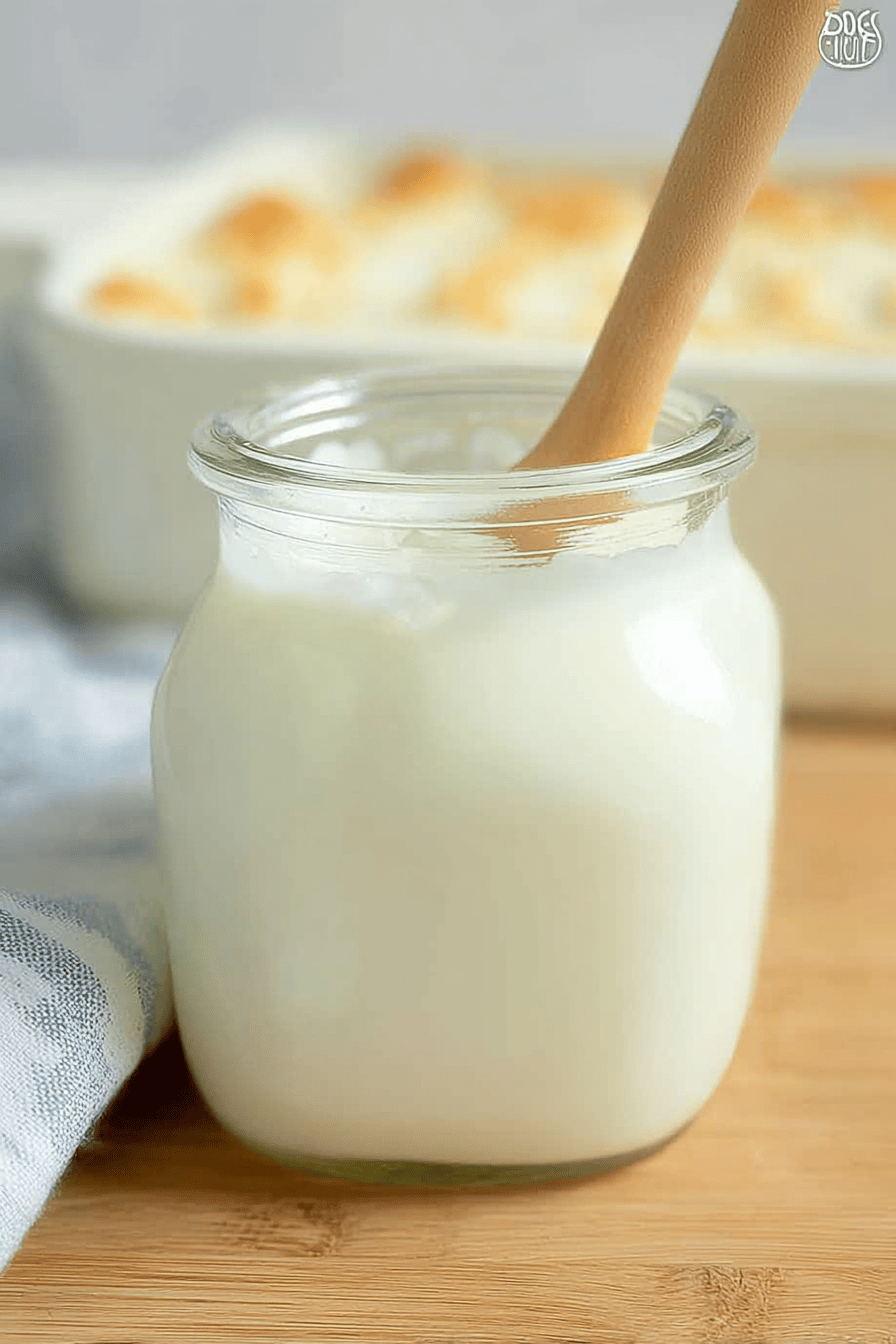
FAQs: Frequently Asked Questions About Buttermilk Substitute
What can I use as a substitute for buttermilk in baking?
You can substitute buttermilk by mixing 1 tablespoon of lemon juice or white vinegar with 1 cup of milk. Let it sit for 5-10 minutes until it curdles slightly. This acidic milk mimics buttermilk’s properties, helping baked goods rise and stay moist. Alternatively, plain yogurt or sour cream thinned with milk at a 1:1 ratio also works well in most recipes.
Why does buttermilk matter in recipes?
Buttermilk adds acidity that reacts with baking soda to create carbon dioxide gas, which lightens batter and dough, resulting in fluffier and softer textures. It also adds a subtle tangy flavor and helps tenderize gluten, making breads, pancakes, and cakes moist and flavorful.
Can I use store-bought kefir instead of buttermilk?
Yes, plain kefir can replace buttermilk in equal amounts in baking. Its natural acidity and probiotic content provide a similar rise and texture in recipes like pancakes, muffins, or biscuits. Use the same volume of kefir as the buttermilk called for in your recipe.
How do I store leftover buttermilk properly?
Keep leftover buttermilk refrigerated in its original container and use it within one to two weeks. You can also freeze buttermilk in ice cube trays or freezer bags for up to three months. Thaw it overnight in the fridge and stir well before using, as separation may occur.
Will using a buttermilk substitute change the taste or texture of my food?
Depending on the substitute used, slight differences in flavor or texture may occur. For example, vinegar or lemon juice creates the acidity but lacks the complex tang of cultured buttermilk, while yogurt or sour cream add richness but can make baked goods denser. Experiment to find what works best in your recipes.
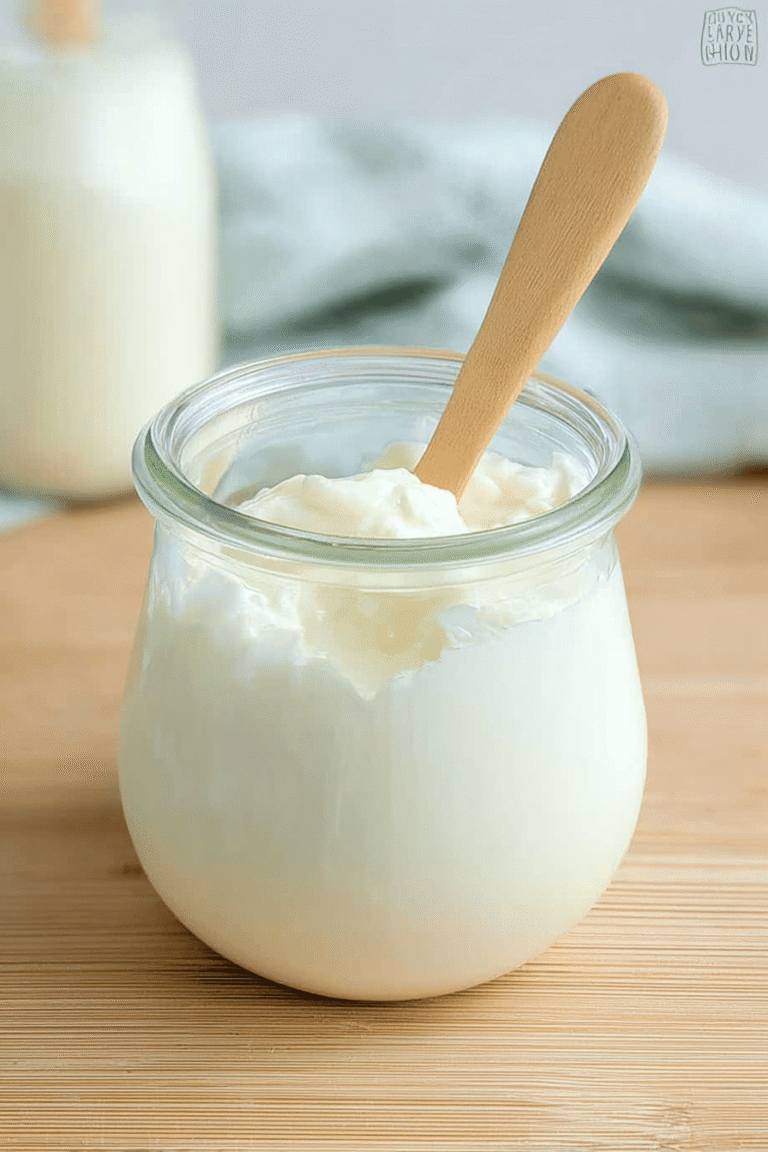
Buttermilk Substitute
🥛 Discover easy and effective options for substituting buttermilk in your baking recipes to maintain moisture and tang.
🍰 Perfect for bakers needing a quick alternative without compromising the texture or flavor of your baked goods.
- Total Time: 5 minutes
- Yield: 1 cup buttermilk substitute 1x
Ingredients
2 teaspoons white vinegar or fresh lemon juice adds the necessary acidity to curdle the milk
1 cup minus 2 teaspoons of whole milk (approximately 235ml) forms the creamy base for the substitute
Instructions
1-First Step: Measure 1 cup minus 2 teaspoons of your preferred milk, opting for whole milk or a plant-based alternative based on your diet.
2-Second Step: Add 2 teaspoons of fresh lemon juice or white vinegar to the milk to introduce acidity.
3-Third Step: Stir the mixture gently and let it sit at room temperature for 5 minutes, allowing it to curdle slightly to resemble traditional buttermilk.
4-Fourth Step: If you want extra tang, whisk in 1 teaspoon of plain yogurt for added flavor and probiotics.
5-Fifth Step: Use it right away in your recipe or store it in the fridge for up to 24 hours.
6-Final Step: Adjust for dietary tweaks, like using non-dairy milk, and always stir before adding to ensure even consistency.
Last Step:
Please leave a rating and comment letting us know how you liked this recipe! This helps our business to thrive and continue providing free, high-quality recipes for you.Notes
🧪 Ensure you use fresh milk for the best results when making the substitute.
⏳ Allow the mixture to sit for the full 5 minutes to achieve the proper texture and acidity.
💡 This substitute works best in baking recipes that call for buttermilk but can also be used in pancakes and dressings.
- Prep Time: 5 minutes
- Category: Baking
- Method: Mixing