
Why You’ll Love This Balsamic Lemon Chicken
If you need a fast dinner that tastes like you spent way more time on it, Balsamic Lemon Chicken is a great choice. It brings bright lemon, rich balsamic, plenty of garlic, and juicy chicken together in one simple recipe that works for busy weeknights, meal prep, or even a casual dinner with friends. It is the kind of dish that feels fresh and filling at the same time.
- Easy to make: The marinade comes together in a blender or food processor in just a few minutes, and the chicken cooks quickly on a grill, grill pan, or skillet. That makes this balsamic lemon chicken a smart pick for nights when time is tight.
- Good for lighter meals: With lean chicken breast or tenderloins, this recipe gives you plenty of protein while keeping the ingredient list simple. For readers looking for a higher-protein dinner, these chicken nutrition benefits help explain why chicken is such a popular dinner staple.
- Flexible for different kitchens: You can grill it outdoors, cook it in a grill pan, or pan-fry it right on the stove. That means Balsamic Lemon Chicken works well for apartment cooks, students, and anyone who wants a no-fuss meal.
- Big flavor with everyday ingredients: The mix of balsamic vinegar, fresh lemon juice, oregano, basil, thyme, and garlic creates a tangy, savory taste that stands out without needing fancy ingredients.
This is the kind of meal that feels special, but still fits into a normal weeknight routine.
It also pairs well with vegetables, rice, pasta, salad, or even bread for soaking up the juices. If you enjoy bright, savory meals like this one, you may also like the fresh flavor in these lemon bars for dessert after dinner.
Jump to:
- Why You’ll Love This Balsamic Lemon Chicken
- Essential Ingredients for Balsamic Lemon Chicken
- Main Ingredients
- Special Dietary Options
- How to Prepare the Perfect Balsamic Lemon Chicken: Step-by-Step Guide
- First Step: Make the Marinade
- Second Step: Coat the Chicken
- Third Step: Marinate for Best Flavor
- Fourth Step: Preheat Your Cooking Surface
- Fifth Step: Cook the Chicken
- Final Step: Rest and Serve
- Dietary Substitutions to Customize Your Balsamic Lemon Chicken
- Protein and Main Component Alternatives
- Vegetable, Sauce, and Seasoning Modifications
- Mastering Balsamic Lemon Chicken: Advanced Tips and Variations
- Pro Cooking Techniques
- Flavor Variations
- Presentation Tips
- Make-Ahead Options
- How to Store Balsamic Lemon Chicken: Best Practices
- Refrigeration
- Freezing
- Reheating
- Meal Prep Considerations
- FAQs: Frequently Asked Questions About Balsamic Lemon Chicken
- What is balsamic lemon chicken?
- What ingredients do I need for balsamic lemon chicken?
- How long does it take to cook balsamic lemon chicken?
- Can I use chicken breasts for balsamic lemon chicken?
- How do I store and reheat balsamic lemon chicken?
- Balsamic Lemon Chicken
- Ingredients
- Instructions
- Last Step:
- Notes
- Nutrition
- Did you make this recipe?
Essential Ingredients for Balsamic Lemon Chicken
Here is everything you need for this Balsamic Lemon Chicken recipe. The ingredient list is short, but each item has a clear job in the marinade and cooking process.
Main Ingredients
- 2 pounds chicken breast or chicken tenderloins – The main protein. Chicken breast gives you a leaner result, while tenderloins cook quickly and stay juicy.
- 1/3 cup extra virgin olive oil – Adds richness, helps the marinade coat the chicken, and keeps the meat moist during cooking.
- 6-8 cloves garlic – Brings bold savory flavor that works beautifully with lemon and balsamic.
- 2 tablespoons balsamic vinegar – Adds tang, depth, and a slightly sweet edge that makes the glaze taste fuller.
- 2 tablespoons fresh lemon juice – Gives the chicken a bright citrus note that balances the richness of the oil and balsamic.
- 2 teaspoons oregano – Adds a classic Mediterranean flavor that fits chicken very well.
- 2 teaspoons salt – Seasons the meat and brings the whole marinade together.
- 1 teaspoon basil – Adds a mild, sweet herb note.
- 1 teaspoon thyme – Brings a gentle earthy flavor that makes the marinade taste more rounded.
- 1 teaspoon sugar – Softens the sharpness of the lemon and vinegar and helps browning.
- 1 teaspoon onion powder (optional) – Adds extra savoriness if you want a deeper flavor.
- About 1 tablespoon vegetable oil – Used to brush the grill, grill pan, or skillet so the chicken does not stick.
Special Dietary Options
- Gluten-free: This recipe is naturally gluten-free as written, as long as your balsamic vinegar and seasonings are certified gluten-free.
- Low-calorie: Use chicken breast, reduce the olive oil slightly, and skip the sugar if you want a lighter version.
- Vegan: Swap the chicken for firm tofu, seitan, or portobello mushrooms, and use the same marinade for a plant-based version.
| Ingredient | What It Does | Easy Swap |
|---|---|---|
| Chicken breast or tenderloins | Main protein and base of the dish | Tofu, seitan, or mushrooms |
| Balsamic vinegar | Adds tang and depth | Balsamic glaze |
| Lemon juice | Adds brightness and balance | Extra vinegar plus a little zest if needed |
| Olive oil | Helps coat and tenderize the chicken | Avocado oil |
How to Prepare the Perfect Balsamic Lemon Chicken: Step-by-Step Guide
This balsamic lemon chicken recipe is simple, but the small details matter. If you follow the steps below, you will get juicy chicken with a balanced flavor and a nice sear on the outside.
First Step: Make the Marinade
Add 1/3 cup extra virgin olive oil, 6-8 cloves garlic, 2 tablespoons balsamic vinegar, 2 tablespoons fresh lemon juice, 2 teaspoons oregano, 2 teaspoons salt, 1 teaspoon basil, 1 teaspoon thyme, 1 teaspoon sugar, and 1 teaspoon onion powder if using into a food processor or blender. Blend until the garlic is finely chopped and the marinade looks well mixed. The texture does not need to be perfectly smooth, but it should be combined enough to coat the chicken evenly.
The olive oil helps carry the flavor, while the lemon and balsamic give the dish its signature tang. If you want a stronger garlic taste, use the full 8 cloves. For a milder version, start with 6 cloves.
Second Step: Coat the Chicken
Place 2 pounds chicken breast or chicken tenderloins in a large bowl, zip-top bag, or shallow dish. Pour the marinade over the chicken and toss until every piece is well coated. If you are using chicken breasts, it helps to pound them to an even thickness first so they cook at the same pace. This is especially useful for home cooks who want a reliable result without much stress.
Make sure the chicken is fully covered, because that is where a lot of the flavor comes from. If needed, turn the pieces a few times so the marinade reaches all sides.
Third Step: Marinate for Best Flavor
Cover the chicken and refrigerate it for at least 3 hours. If you have time, letting it sit a little longer is fine too, as long as you stay within food-safe storage guidelines. This step gives the lemon, balsamic, garlic, and herbs time to soak into the meat.
For the best balsamic lemon chicken, do not rush the marinade. Three hours gives the flavor time to settle in and helps the chicken stay juicy.
Busy parents and working professionals can prep this in the morning and cook it at dinner time. Students can marinate it before class and finish it later in the evening. It is a very practical make-ahead dinner.
Fourth Step: Preheat Your Cooking Surface
When you are ready to cook, preheat a grill, grill pan, or skillet to medium-high heat. Brush the surface with about 1 tablespoon vegetable oil so the chicken does not stick. This also helps create better browning and those nice grill marks people love.
If you are using a skillet, choose one that holds heat well, like cast iron or stainless steel. If you are grilling outdoors, make sure the grates are clean and hot before the chicken goes on.
Fifth Step: Cook the Chicken
Place the marinated chicken on the hot cooking surface. Cook for 3 to 4 minutes per side, depending on thickness. Try not to move the chicken too soon. Letting it sit undisturbed helps it sear and develop a better color.
Use a meat thermometer to check the thickest part of the chicken. It should reach 165°F before you remove it from the heat. If you are using thicker chicken breasts, they may need a little extra time. Chicken tenderloins usually cook faster.
Final Step: Rest and Serve
Once the chicken reaches temperature, remove it from the heat and let it rest for a few minutes. This helps the juices settle back into the meat. Then serve your balsamic lemon chicken warm with your favorite sides.
Good pairings include roasted potatoes, steamed broccoli, rice, couscous, pasta, green beans, or a simple salad. If you want more chicken dinner ideas, you can also browse Recipe Resource for other easy family-friendly meals.

Dietary Substitutions to Customize Your Balsamic Lemon Chicken
One reason Balsamic Lemon Chicken works so well is that it adapts easily to different eating styles and ingredient needs. Whether you are cooking for picky eaters, a lighter meal plan, or just using what you already have in the kitchen, there are plenty of simple swaps.
Protein and Main Component Alternatives
Chicken breast is a great choice if you want a leaner meal, while chicken tenderloins cook even faster. If you prefer dark meat, boneless skinless chicken thighs also work well, though the cook time may change a bit. They stay juicy and are a good option if you want a richer result.
For a meatless version, use firm tofu, cauliflower steaks, or portobello mushrooms. Tofu soaks up the marinade nicely, while mushrooms bring a meaty texture and savory flavor. Just remember to adjust the cook time so the pieces brown without drying out.
Vegetable, Sauce, and Seasoning Modifications
You can change the herbs based on what you have. Rosemary, parsley, or a little dill can work if oregano, basil, or thyme are not on hand. If you want more sweetness, add a small spoonful of honey instead of sugar. If you want a sharper tang, use a touch more lemon juice.
For a richer glaze, some cooks like using balsamic glaze instead of balsamic vinegar. That makes the coating thicker and sweeter, so you can skip the sugar if you want. This works especially well for pan-fried chicken when you want a glossy finish.
- Gluten-free: Stick with the recipe as written and check labels on vinegar and spice blends.
- Lower sodium: Reduce the salt slightly and add extra herbs for flavor.
- Lower fat: Use a little less olive oil and choose chicken breast.
Mastering Balsamic Lemon Chicken: Advanced Tips and Variations
Once you have made this dish once or twice, a few small tricks can help you get even better results. These tips are especially helpful if you cook chicken often and want it to stay juicy every time.
Pro Cooking Techniques
For even cooking, thinly slice the chicken breasts or pound them to a similar thickness before marinating. This helps the center cook at the same pace as the outside. If you are grilling or pan-frying, let the chicken sear without moving it too soon. That is how you get those deep brown marks and extra flavor.
Always check the internal temperature instead of guessing by color. Chicken can look done before it is fully cooked, and the thermometer takes away the guesswork. A short rest after cooking also helps keep the meat juicy.
Flavor Variations
You can make the flavor brighter by adding a little lemon zest to the marinade. If you want more sweetness, a teaspoon of honey can replace the sugar. For a more herby version, add parsley or rosemary. If you like heat, a pinch of red pepper flakes gives the balsamic lemon chicken a gentle kick.
Presentation Tips
Slice the chicken before serving and spoon any juices over the top. Add fresh lemon wedges, chopped parsley, or a few herb leaves for a clean look. A colorful side like green beans, roasted carrots, or cherry tomatoes makes the plate look extra inviting.
Make-Ahead Options
You can mix the marinade up to a day ahead and keep it chilled until you are ready to use it. The chicken can also marinate in the morning and cook later in the evening. That makes it a helpful option for weeknight dinners, meal prep, or even a small dinner party.
How to Store Balsamic Lemon Chicken: Best Practices
Leftover Balsamic Lemon Chicken stores well, which makes it a smart choice for meal prep. Just cool the chicken first before packing it away.
Refrigeration
Place leftovers in an airtight container and refrigerate for up to 4 days. If possible, store any extra sauce or juices with the chicken so it stays moist. Let the chicken cool before sealing the container to keep the texture better.
Freezing
For longer storage, freeze the chicken for up to 3 months. Wrap it well or place it in a freezer-safe container. If you can, freeze sauce separately from the meat to help avoid soggy texture later.
Reheating
Warm leftovers gently on the stovetop over low heat, in the oven at 325°F, or in the microwave in short bursts. Add a small splash of water, broth, or lemon juice if the chicken seems dry. Heat until the chicken reaches 165°F again.
Meal Prep Considerations
This recipe works well for batch cooking. Slice it for sandwiches, tuck it into salads, or serve it with rice and vegetables in meal prep containers. It also makes a nice next-day lunch because the flavor stays bright after reheating.

FAQs: Frequently Asked Questions About Balsamic Lemon Chicken
What is balsamic lemon chicken?
Balsamic lemon chicken is a quick one-pan dish featuring tender chicken coated in a tangy-sweet glaze made from balsamic vinegar, fresh lemon juice, garlic, and a touch of honey or brown sugar. The acidity from the lemon and balsamic tenderizes the meat while creating a glossy, flavorful sauce that caramelizes slightly during cooking. It’s popular for weeknight dinners because it uses basic pantry staples and takes about 30 minutes total. Serve it with roasted vegetables, rice, or a green salad to balance the richness. This recipe highlights bright citrus notes against the deep umami of balsamic, making it a crowd-pleaser for both kids and adults. Nutrition-wise, a 4-ounce serving offers around 250 calories, 30g protein, and healthy fats from olive oil. (92 words)
What ingredients do I need for balsamic lemon chicken?
For 4 servings, gather 4 boneless skinless chicken thighs or breasts, 1/4 cup balsamic vinegar, juice and zest of 1 lemon, 2 tablespoons olive oil, 2 minced garlic cloves, 1 tablespoon honey, salt, pepper, and optional fresh thyme or rosemary. Pat chicken dry, season with salt and pepper. In a skillet, heat 1 tablespoon oil over medium-high, sear chicken 4-5 minutes per side until golden. Mix balsamic, lemon juice/zest, garlic, honey, and remaining oil; pour over chicken. Simmer 5-7 minutes until sauce thickens and chicken reaches 165°F internally. Taste and adjust sweetness or tang. This combo yields a balanced marinade—prep takes 10 minutes. Double garlic for bolder flavor. (112 words)
How long does it take to cook balsamic lemon chicken?
Total time is 25-35 minutes for stovetop method. Prep 5-10 minutes: season and sear chicken in hot oil 4-5 minutes per side. Add sauce and simmer 10-15 minutes until internal temp hits 165°F and sauce reduces by half. For oven baking, sear first then bake at 400°F for 15-20 minutes. Air fryer option: 380°F for 12-15 minutes, flipping halfway and adding sauce last 5 minutes. Chicken thighs cook faster and stay juicier than breasts. Use a meat thermometer to avoid overcooking. Rest 3 minutes before serving to lock in juices. This speed makes it ideal for busy evenings—faster than grilling in bad weather. (108 words)
Can I use chicken breasts for balsamic lemon chicken?
Yes, chicken breasts work great but cook them carefully to prevent dryness. Pound to even 1/2-inch thickness for uniform cooking, or slice horizontally into cutlets. Sear over medium-high heat 3-4 minutes per side, then simmer in sauce 8-10 minutes until 165°F. Add a splash of chicken broth if sauce reduces too quickly. Breasts are leaner (about 165 calories per 4oz vs. 200 for thighs), appealing for lighter meals. Marinate 30 minutes beforehand for extra tenderness. Avoid overcooking—residual heat continues cooking post-pan. Pair with quinoa for a high-protein meal under 400 calories. Thighs forgive longer cooks better if you’re new to this. (102 words)
How do I store and reheat balsamic lemon chicken?
Cool completely, then store in an airtight container in the fridge up to 4 days or freeze up to 3 months (portion sauce separately to avoid sogginess). Reheat gently on stovetop over low heat with a tablespoon of water or broth, stirring sauce 3-5 minutes until hot (165°F). Microwave in 30-second bursts, covered, with venting. Oven at 325°F for 10 minutes works for batches. The sauce may thicken when cold—thin with lemon juice or balsamic. Freezing preserves flavor well; thaw overnight in fridge. This dish reheats better than creamy recipes, retaining glossy shine. Leftovers shine in wraps or salads next day. (98 words)
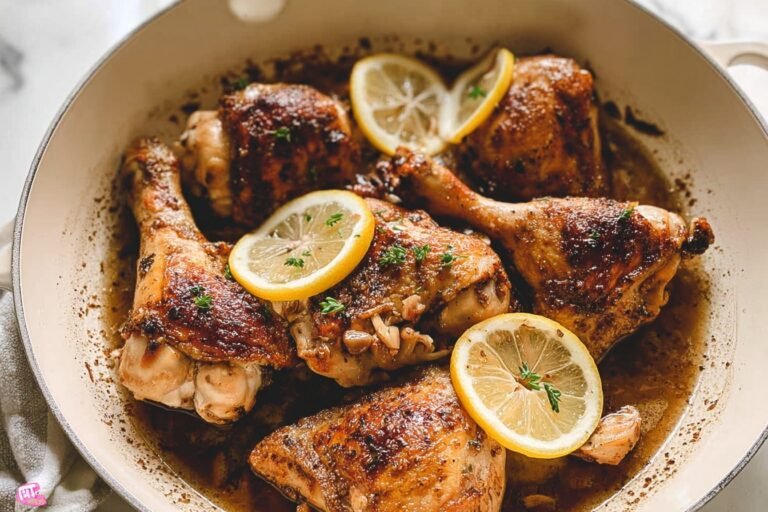
Balsamic Lemon Chicken
🍗 Juicy lemon-balsamic marinated chicken grilled to perfection – bright, tangy flavors in under 30 minutes active time!
🔥 Versatile pan-fry or grill option for tender, caramelized chicken bursting with herbs and citrus.
- Total Time: 3 hours 20 minutes
- Yield: 4 servings
Ingredients
– 2 pounds chicken breast or chicken tenderloins for the main protein
– 1/3 cup extra virgin olive oil for richness
– 6-8 cloves garlic for bold savory flavor
– 2 tablespoons balsamic vinegar for tang and depth
– 2 tablespoons fresh lemon juice for bright citrus note
– 2 teaspoons oregano for classic Mediterranean flavor
– 2 teaspoons salt for seasoning
– 1 teaspoon basil for mild sweet herb note
– 1 teaspoon thyme for gentle earthy flavor
– 1 teaspoon sugar for softening sharpness and helping browning
– 1 teaspoon onion powder (optional) for extra savoriness
– About 1 tablespoon vegetable oil for brushing the grill
Instructions
1-First Step: Make the Marinade Add 1/3 cup extra virgin olive oil, 6-8 cloves garlic, 2 tablespoons balsamic vinegar, 2 tablespoons fresh lemon juice, 2 teaspoons oregano, 2 teaspoons salt, 1 teaspoon basil, 1 teaspoon thyme, 1 teaspoon sugar, and 1 teaspoon onion powder if using into a food processor or blender. Blend until the garlic is finely chopped and the marinade looks well mixed. The texture does not need to be perfectly smooth, but it should be combined enough to coat the chicken evenly. The olive oil helps carry the flavor, while the lemon and balsamic give the dish its signature tang. If you want a stronger garlic taste, use the full 8 cloves. For a milder version, start with 6 cloves.
2-Second Step: Coat the Chicken Place 2 pounds chicken breast or chicken tenderloins in a large bowl, zip-top bag, or shallow dish. Pour the marinade over the chicken and toss until every piece is well coated. If you are using chicken breasts, it helps to pound them to an even thickness first so they cook at the same pace. This is especially useful for home cooks who want a reliable result without much stress. Make sure the chicken is fully covered, because that is where a lot of the flavor comes from. If needed, turn the pieces a few times so the marinade reaches all sides.
3-Third Step: Marinate for Best Flavor Cover the chicken and refrigerate it for at least 3 hours. If you have time, letting it sit a little longer is fine too, as long as you stay within food-safe storage guidelines. This step gives the lemon, balsamic, garlic, and herbs time to soak into the meat. For the best balsamic lemon chicken, do not rush the marinade. Three hours gives the flavor time to settle in and helps the chicken stay juicy. Busy parents and working professionals can prep this in the morning and cook it at dinner time. Students can marinate it before class and finish it later in the evening. It is a very practical make-ahead dinner.
4-Fourth Step: Preheat Your Cooking Surface When you are ready to cook, preheat a grill, grill pan, or skillet to medium-high heat. Brush the surface with about 1 tablespoon vegetable oil so the chicken does not stick. This also helps create better browning and those nice grill marks people love. If you are using a skillet, choose one that holds heat well, like cast iron or stainless steel. If you are grilling outdoors, make sure the grates are clean and hot before the chicken goes on.
5-Fifth Step: Cook the Chicken Place the marinated chicken on the hot cooking surface. Cook for 3 to 4 minutes per side, depending on thickness. Try not to move the chicken too soon. Letting it sit undisturbed helps it sear and develop a better color. Use a meat thermometer to check the thickest part of the chicken. It should reach 165°F before you remove it from the heat. If you are using thicker chicken breasts, they may need a little extra time. Chicken tenderloins usually cook faster.
6-Final Step: Rest and Serve Once the chicken reaches temperature, remove it from the heat and let it rest for a few minutes. This helps the juices settle back into the meat. Then serve your balsamic lemon chicken warm with your favorite sides. Good pairings include roasted potatoes, steamed broccoli, rice, couscous, pasta, green beans, or a simple salad. If you want more chicken dinner ideas, you can also browse Recipe Resource for other easy family-friendly meals.
Last Step:
Please leave a rating and comment letting us know how you liked this recipe! This helps our business to thrive and continue providing free, high-quality recipes for you.Notes
⏰ Marinate 3+ hours or overnight for maximum flavor penetration.
🍗 Pound chicken to even thickness for uniform cooking.
🌡️ Always check internal temp 165°F to avoid dry chicken.
- Prep Time: 10 minutes
- Marinate Time: 3 hours
- Cook Time: 10 minutes
- Category: Main Course
- Method: Grilling
- Cuisine: Mediterranean
- Diet: Gluten-Free
Nutrition
- Serving Size: 8 oz chicken
- Calories: 472 kcal
- Sugar: 3g
- Sodium: 1430mg
- Fat: 27g
- Saturated Fat: 4g
- Unsaturated Fat: 22g
- Trans Fat: 1g
- Carbohydrates: 6g
- Fiber: 1g
- Protein: 49g
- Cholesterol: 145mg