

Why You’ll Love This Italian Bread
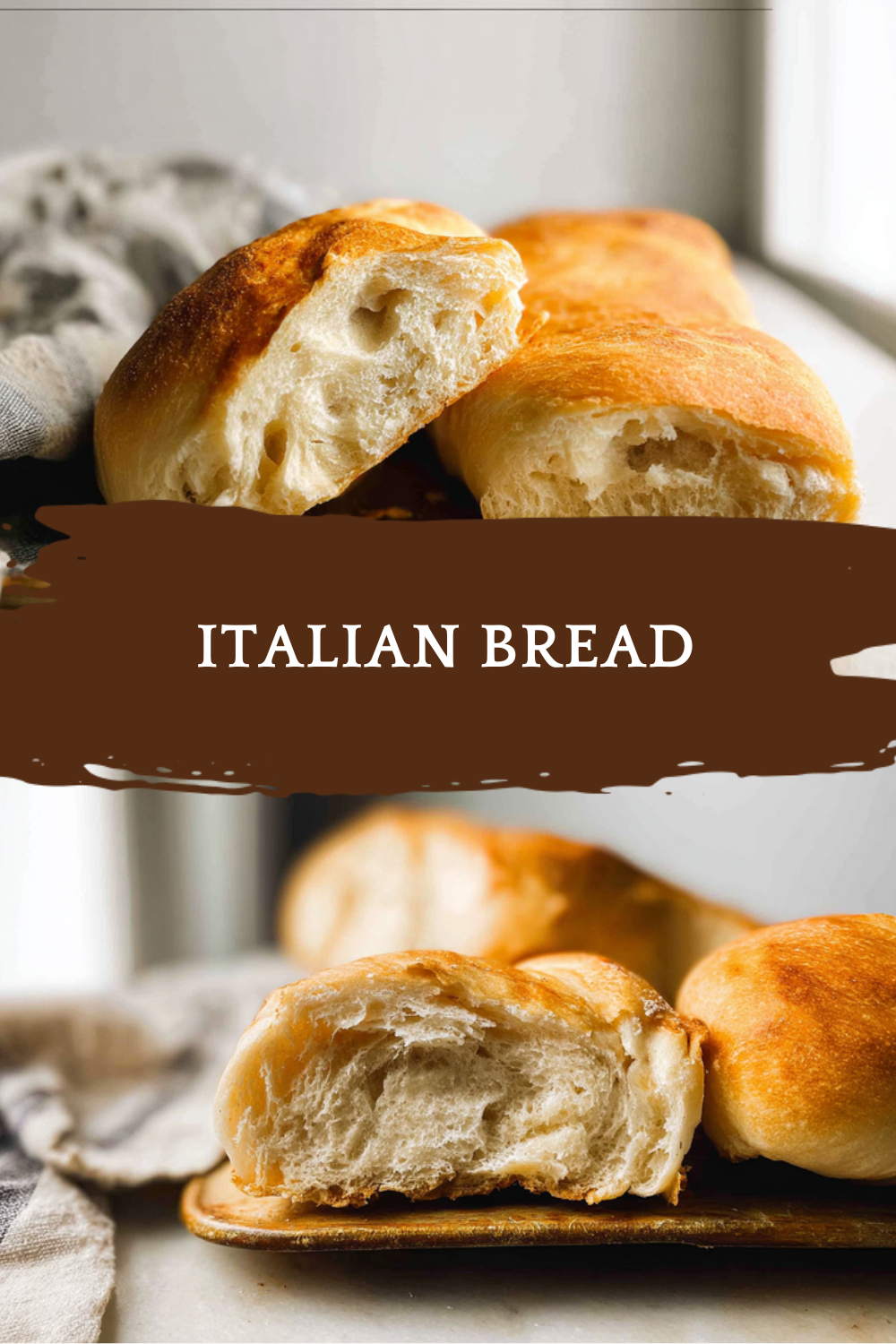
This Italian bread recipe is a favorite for its straightforward steps and rewarding results that even beginners can enjoy. It’s ideal for busy days when you want fresh bread without spending all day in the kitchen. Plus, the soft crust and simple ingredients make it a versatile option for any meal.
One reason you’ll love this bread is its ease of preparation, letting you mix and bake in just a few steps with a short cooking time that fits busy schedules. Another benefit is the health aspects, as it’s made with basic ingredients that provide fiber and essential nutrients to support a balanced diet. You can also adapt it to fit various needs, like using substitutions for vegan or low-calorie versions, and it boasts a rich, memorable flavor from traditional methods that set it apart.
In fact, many home cooks appreciate how this bread enhances everyday meals. For instance, its soft texture pairs perfectly with sauces, adding a homemade touch that feels special. If you’re curious about how bread can boost your health, check out this resource for more details.
Jump to:
- Why You’ll Love This Italian Bread
- Essential Ingredients for Italian Bread
- Main Ingredients
- How to Prepare the Perfect Italian Bread: Step-by-Step Guide
- Gathering and Mixing
- Building the Dough
- Dietary Substitutions to Customize Your Italian Bread
- Protein and Main Component Alternatives
- Vegetable, Sauce, and Seasoning Modifications
- Mastering Italian Bread: Advanced Tips and Variations
- Pro Cooking Techniques
- Flavor and Presentation Ideas
- How to Store Italian Bread: Best Practices
- Storage Options
- FAQs: Frequently Asked Questions About Italian Bread
- Can I freeze Italian bread dough for later baking?
- What is the ideal water temperature for activating yeast in Italian bread recipes?
- Can I substitute olive oil for vegetable oil in Italian bread dough?
- What is the difference between active dry yeast and instant yeast for Italian bread?
- Do I have to knead Italian bread dough by hand, or can I skip it?
- Italian Bread
- Ingredients
- Instructions
- Last Step:
- Notes
- Nutrition
- Did you make this recipe?
Essential Ingredients for Italian Bread
Gathering the right ingredients is key to making perfect Italian bread at home. This section breaks down everything you need, ensuring your baking goes smoothly. We’ll focus on a clear list to help you shop and measure with ease.
Main Ingredients
- 1 ½ tablespoons active dry yeast (equivalent to 2 packets)
- ½ cup warm water at 110°F (43°C)
- ½ teaspoon granulated sugar (for proofing yeast)
- 2 cups hot water at 115-120°F (46-49°C)
- 3 tablespoons granulated sugar
- 1 tablespoon salt
- ½ cup vegetable oil (or substitute with olive oil)
- 5 to 6 cups all-purpose flour (white flour, not whole wheat), plus additional as needed for dough consistency
- 1 large egg white (for brushing the loaves)
This list covers all the essentials for a classic loaf. Each item plays a specific role, from activating the yeast to creating that soft crust you love.
How to Prepare the Perfect Italian Bread: Step-by-Step Guide
Making Italian bread at home is simpler than you might think, and this guide walks you through each part. Start with basic steps and add handy tips along the way for the best outcome. You’ll have fresh bread ready in about 2 hours and 15 minutes, including rising and baking time.
Gathering and Mixing
First, dissolve the yeast, ½ cup warm water, and ½ teaspoon sugar in a small bowl; allow it to proof until foamy. This step ensures your yeast is active and ready to help the dough rise. Next, in a large bowl or stand mixer, combine 2 cups hot water, 3 tablespoons sugar, salt, and oil to create the base mixture.
Building the Dough
After that, add 3 cups flour and mix well to form a solid start. Then, stir in the yeast mixture to blend everything together. Continue by adding the remaining 2 to 3 cups flour, mixing until well combined; the dough will be sticky at this point.
- Cover the dough and let it rise for 1 hour in a warm spot.
- After rising, add more flour if the dough is too sticky to handle, making it easier to work with.
- Divide the dough into 2 or 3 pieces and roll each on a floured surface to your desired length, then roll up lengthwise like a jelly roll.
- Place the loaves on a greased baking sheet with the sealed side down, tuck the ends under, and slash the tops diagonally every couple of inches.
- Cover and let rise for another 30 minutes.
- Preheat your oven to 400°F (204°C) and brush the loaves with whisked egg white for a golden finish.
- Finally, bake for 25 to 30 minutes or until golden brown, then let them cool.
Remember, kneading isn’t necessary here, which saves time and effort. For more ideas on how to pair this bread, try our homemade bolognese sauce recipe that complements it perfectly.

Dietary Substitutions to Customize Your Italian Bread
Everyone’s needs are different, so tweaking this recipe can make it just right for you. Whether you’re adjusting for health reasons or taste, these changes keep the bread delicious. Start with the basics and build from there.
Protein and Main Component Alternatives
You can replace active dry yeast with instant yeast or a sourdough starter if you prefer a different fermentation style. For protein-rich options, try chickpea or almond flour as substitutes for a gluten-free twist that adds nutrients without losing structure.
Vegetable, Sauce, and Seasoning Modifications
- Add roasted garlic or sun-dried tomatoes to mix in extra flavors.
- Swap olive oil for avocado oil or melted coconut oil for healthier fats.
- Use marinara, pesto, or balsamic reductions as dips to match your dietary goals.
These swaps are easy and help you enjoy the bread in new ways, like serving it with fresh herbs for a light meal.
Mastering Italian Bread: Advanced Tips and Variations
Once you’re comfortable with the basics, try these pro tips to elevate your baking game. Using techniques like a baking stone or Dutch oven can give you a crispier crust and even heat. This section dives into ways to make your bread stand out.
Pro Cooking Techniques
For a better bake, use a baking stone to distribute heat evenly and achieve that perfect crust. Adding flavors like olives or parmesan cheese can customize the taste to your liking.
Flavor and Presentation Ideas
Presentation matters too slice with a serrated knife and serve on wooden boards with fresh herbs. If you want to prepare ahead, make the dough the night before and refrigerate it for deeper flavors.
How to Store Italian Bread: Best Practices
Keeping your Italian bread fresh is easy with the right methods. Proper storage helps maintain its soft texture and flavor for as long as possible. Follow these steps to enjoy it over several days.
Storage Options
- Store at room temperature in a paper bag or loosely wrapped in cloth for up to 2 days to keep it from drying out.
- For longer storage, wrap tightly in plastic wrap and aluminum foil before freezing; thaw at room temperature when needed.
- To reheat, warm in an oven at 350°F (175°C) for 10-15 minutes to bring back that fresh-baked feel.
- Consider slicing before freezing to make meal prep quicker and more convenient.
These tips ensure your bread stays tasty, whether you’re planning ahead or enjoying it right away. The dough itself can be frozen for up to 3 months, making it a great option for busy weeks.
FAQs: Frequently Asked Questions About Italian Bread
Can I freeze Italian bread dough for later baking?
Yes, you can freeze Italian bread dough for up to three months. To do this, tightly wrap the dough in plastic wrap, then place it in a freezer-safe bag. When you’re ready to bake, thaw the dough at room temperature for about four hours before shaping and baking. Freezing helps preserve the yeast’s activity, but avoid keeping the dough in the fridge for more than a day, as the yeast will continue slowly fermenting and may affect texture.
What is the ideal water temperature for activating yeast in Italian bread recipes?
The best water temperature to activate yeast is around 110°F (43°C). Water that’s too hot can kill the yeast, preventing the dough from rising, while water that’s too cold will slow the yeast’s activity, extending rise time. Using water near body temperature ensures the yeast becomes active quickly, producing a light and airy loaf.
Can I substitute olive oil for vegetable oil in Italian bread dough?
Yes, olive oil can be used instead of vegetable oil when making Italian bread dough. Olive oil adds a slight fruity flavor and richness that complements the bread well. Use the same quantity as the vegetable oil called for in the recipe. Make sure to choose a mild olive oil to avoid overpowering the bread’s natural taste.
What is the difference between active dry yeast and instant yeast for Italian bread?
Active dry yeast requires proofing in warm water before use to confirm it is alive and to activate it, which takes about 5-10 minutes. Instant yeast, on the other hand, can be mixed directly into dry ingredients without proofing and usually acts faster. Both yeasts yield good results in Italian bread, but instant yeast offers a quicker, more convenient option.
Do I have to knead Italian bread dough by hand, or can I skip it?
Depending on the recipe, kneading may not be necessary for Italian bread dough. Some recipes use a no-knead method where you mix the ingredients and allow the dough to rise slowly. This method relies on time and hydration to develop gluten, producing a soft and chewy texture without effort. Always follow your specific recipe instructions for best results.
Italian Bread
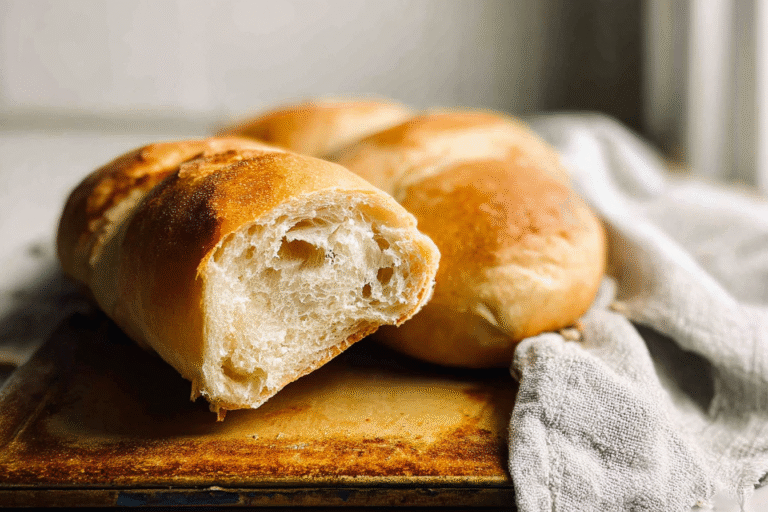
🍞 Enjoy the comforting taste of homemade Italian bread with a soft crust and simple ingredients anyone can use.
🌟 This easy recipe requires no kneading and delivers fresh, warm loaves perfect for sandwiches or dipping.
- Total Time: 2 hours 15 minutes
- Yield: 2 to 3 loaves 1x
Ingredients
1 ½ tablespoons active dry yeast (equivalent to 2 packets)
½ cup warm water at 110°F (43°C)
½ teaspoon granulated sugar for proofing yeast
2 cups hot water at 115-120°F (46-49°C)
3 tablespoons granulated sugar
1 tablespoon salt
½ cup vegetable oil (or substitute with olive oil)
5 to 6 cups all-purpose flour (white flour, not whole wheat), plus additional as needed for dough consistency
1 large egg white for brushing the loaves
Instructions
1-Gathering and Mixing: First, dissolve the yeast, ½ cup warm water, and ½ teaspoon sugar in a small bowl; allow it to proof until foamy. This step ensures your yeast is active and ready to help the dough rise. Next, in a large bowl or stand mixer, combine 2 cups hot water, 3 tablespoons sugar, salt, and oil to create the base mixture.
2-Building the Dough: After that, add 3 cups flour and mix well to form a solid start. Then, stir in the yeast mixture to blend everything together. Continue by adding the remaining 2 to 3 cups flour, mixing until well combined; the dough will be sticky at this point.
3-Cover the dough and let it rise for 1 hour in a warm spot.
4-After rising, add more flour if the dough is too sticky to handle, making it easier to work with.
5-Divide the dough into 2 or 3 pieces and roll each on a floured surface to your desired length, then roll up lengthwise like a jelly roll.
6-Place the loaves on a greased baking sheet with the sealed side down, tuck the ends under, and slash the tops diagonally every couple of inches.
7-Cover and let rise for another 30 minutes.
8-Preheat your oven to 400°F (204°C) and brush the loaves with whisked egg white for a golden finish.
9-Finally, bake for 25 to 30 minutes or until golden brown, then let them cool.
Last Step:
Please leave a rating and comment letting us know how you liked this recipe! This helps our business to thrive and continue providing free, high-quality recipes for you.Notes
🌡️ Use active dry yeast and proof with water at about 110°F to properly activate.
🔥 Add the hot water at 115-120°F to encourage rising without killing yeast.
🌾 Add flour gradually after rising to get a pliable dough without drying it out.
- Prep Time: 15 minutes
- Rising time: 1 hour 30 minutes
- Cook Time: 30 minutes
- Category: Bread
- Method: No knead baking
- Cuisine: Italian
- Diet: Vegetarian
Nutrition
- Serving Size: 1 slice
- Calories: 106 kcal
- Sugar: 1 g
- Sodium: 219 mg
- Fat: 4 g
- Saturated Fat: 3 g
- Trans Fat: 0 g
- Carbohydrates: 16 g
- Fiber: 1 g
- Protein: 2 g
- Cholesterol: 0 mg