
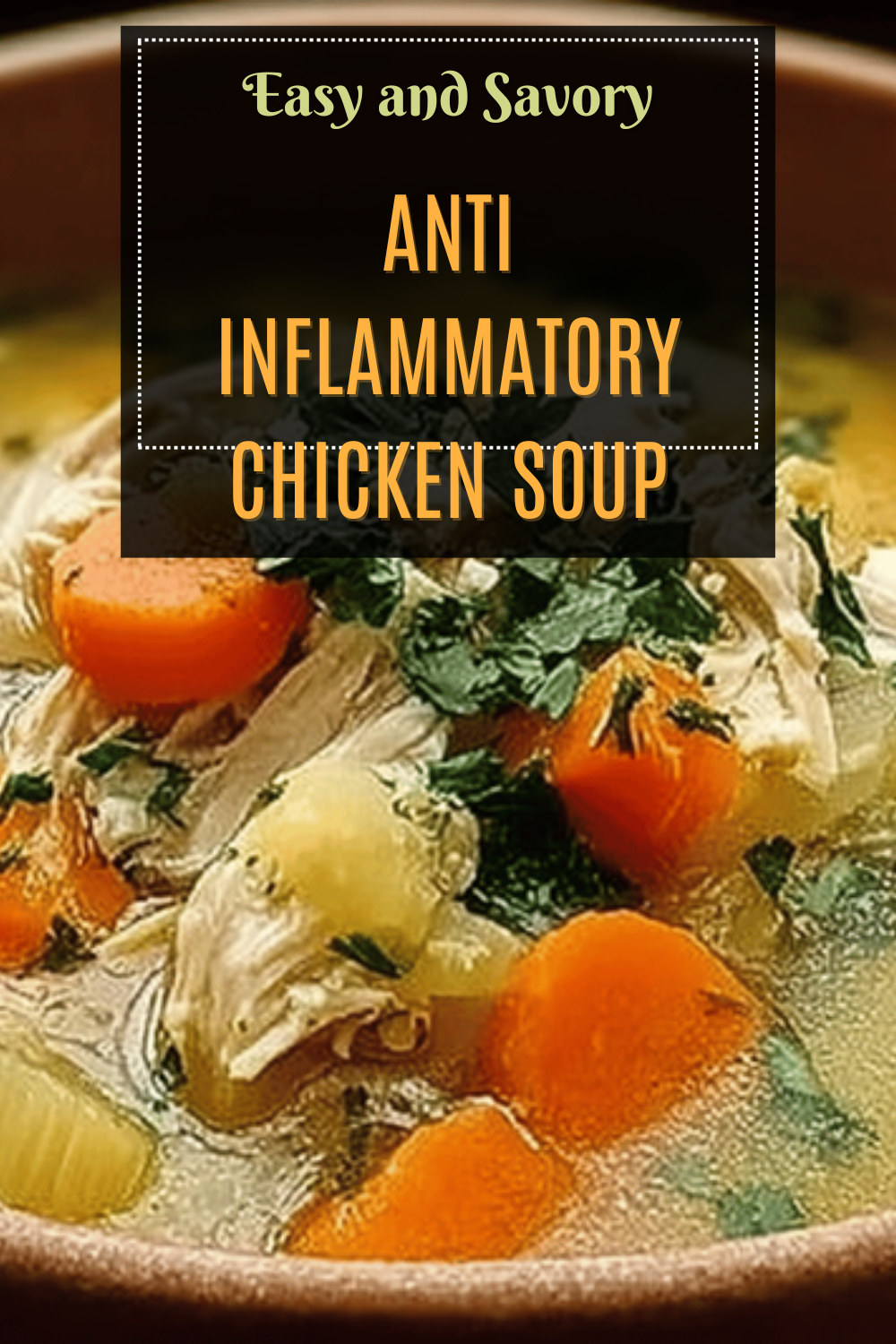
Why You’ll Love This Anti Inflammatory Chicken Soup
This anti inflammatory chicken soup is a simple yet powerful recipe that brings warmth and health to your table, especially during busy days. Imagine a bowl full of nourishing ingredients that make you feel better with every sip. It uses easy-to-find items and quick steps, so even if you’re juggling a full schedule, you can whip it up without hassle.
The health perks are a big draw, as it’s loaded with ingredients like turmeric, which fights inflammation and supports your immune system. Whether you’re dealing with everyday aches or just want to boost your wellness, this soup delivers vitamins and minerals in a tasty way. Plus, its flexible nature lets you tweak it for different tastes or diets, making it a hit for families and friends alike.
One of the best parts is how it adapts to what you have on hand, turning a basic meal into something special. If you’re looking for a comforting dish that feels like a hug in a bowl, this is it. For those interested in more healthy options, check out our healthy chocolate chip cookies recipe for a sweet treat that pairs well with soups.
Jump to:
- Why You’ll Love This Anti Inflammatory Chicken Soup
- Essential Ingredients for Anti Inflammatory Chicken Soup
- How to Prepare the Perfect Anti Inflammatory Chicken Soup: Step-by-Step Guide
- Dietary Substitutions to Customize Your Anti Inflammatory Chicken Soup
- Mastering Anti Inflammatory Chicken Soup: Advanced Tips and Variations
- Flavor and Presentation Ideas
- How to Store Anti Inflammatory Chicken Soup: Best Practices
- FAQs: Frequently Asked Questions About Anti Inflammatory Chicken Soup
- What are the main ingredients in anti-inflammatory chicken soup?
- Can I make anti-inflammatory chicken soup vegetarian or vegan?
- How should I store and reheat anti-inflammatory chicken soup?
- Is turmeric safe to use daily in chicken soup, and what does it taste like?
- Can I add noodles or rice to anti-inflammatory chicken soup without affecting its texture?
- Anti Inflammatory Chicken Soup
- Ingredients
- Instructions
- Last Step:
- Notes
- Nutrition
- Did you make this recipe?
Essential Ingredients for Anti Inflammatory Chicken Soup
Building a great anti inflammatory chicken soup starts with the right mix of ingredients that pack a punch for your health. This recipe focuses on fresh, natural items that are easy to source and help reduce inflammation. Let’s break down what you’ll need to make this soup both delicious and beneficial.
Here is a complete list of ingredients based on the recipe, ensuring you have everything measured out clearly for success:
- 1/4 cup cooking fat (such as olive oil or butter)
- 1 medium onion, diced
- 1 large leek (white and light green parts only), halved lengthwise and thinly sliced
- 3 large carrots, thinly sliced
- 3 stalks celery, thinly sliced
- 1 teaspoon kosher salt (plus extra to taste)
- 3 cloves garlic, chopped
- 1 teaspoon turmeric
- 1 teaspoon poultry seasoning
- 6 cups chicken broth (or vegetable broth for a vegetarian option)
- 1 13.5 ounce can coconut milk (optional)
- 1 1/4 pounds boneless skinless chicken thighs or breasts
- 1 10 ounce bag frozen peas (optional)
- 1/4 cup chopped fresh parsley
- 1/2 teaspoon black pepper (or to taste)
These ingredients come together to create a balanced soup that’s not only tasty but also aligns with gluten-free and paleo diets. For more on how turmeric works, learn more about turmeric’s benefits from reliable sources.
How to Prepare the Perfect Anti Inflammatory Chicken Soup: Step-by-Step Guide
Getting this soup just right is straightforward and fun, with steps that guide you through each part. Start by gathering all your ingredients to keep things smooth and enjoyable. This method ensures the flavors blend perfectly while keeping the anti-inflammatory benefits intact.
First, heat the cooking fat in a large pot over medium heat. Add the onion, leek, carrots, celery, and 1 teaspoon salt, then sauté for 14-16 minutes until the leeks soften and begin to caramelize. This step builds a flavorful base that makes the soup extra tasty.
Next, add the garlic, turmeric, and poultry seasoning, and sauté for 2-3 minutes until fragrant. Stir in the chicken broth, coconut milk if you’re using it, and the raw chicken, then bring to a gentle simmer. Make sure the chicken is submerged and simmer partially covered on low for 15-20 minutes until everything is tender, avoiding a hard boil to keep the mixture smooth.
After that, remove the chicken to cool slightly, then shred or cut it into bite-sized pieces. Return it to the pot with the frozen peas and fresh parsley, and simmer for another 5 minutes until the peas are bright and tender. Finally, season with more salt and pepper as needed, and serve it up warm for a comforting meal.

Dietary Substitutions to Customize Your Anti Inflammatory Chicken Soup
Making this soup your own is easy with a few smart swaps that keep the anti-inflammatory magic alive. Whether you need to avoid certain foods or just want to mix things up, these changes help everyone enjoy the dish. Think of it as tailoring a recipe to fit your lifestyle without losing the goodness.
For protein options, swap chicken with firm tofu or chickpeas if you’re going vegan. If you prefer fish, wild-caught salmon works well for a pescatarian version. You can also use bone broth for a nutrient boost or swap vegetables like kale for Swiss chard to add variety.
Other tweaks include using gluten-free tamari instead of soy sauce or adding spices like cumin for a new twist. These adjustments ensure the soup stays healthy and delicious for all diets, from low-calorie to vegetarian.
Mastering Anti Inflammatory Chicken Soup: Advanced Tips and Variations
Taking your soup to the next level involves some clever techniques that enhance flavor and ease. For instance, using a slow cooker lets the ingredients meld together for a deeper taste, while sautéing spices in oil first releases their full aroma. These methods make the soup even more appealing for everyday meals.
Flavor and Presentation Ideas
Experiment with additions like lemongrass for a fresh twist or smoked paprika for extra warmth. When serving, top with fresh cilantro and a drizzle of olive oil in rustic bowls to make it look inviting. For make-ahead meals, prepare the base ahead and add fresh greens later to keep things crisp.
This approach not only improves taste but also makes the soup versatile for different occasions. If you’re exploring more recipe ideas, our vanilla cupcakes could complement a light soup meal with a sweet finish.
How to Store Anti Inflammatory Chicken Soup: Best Practices
Keeping your soup fresh is key to enjoying it over several days, and proper storage helps maintain its flavors and health benefits. Store it in airtight containers in the fridge for up to 4 days to keep everything safe and tasty. For longer storage, freeze portions and use them within 2-3 months.
When reheating, thaw in the fridge overnight and warm gently on the stove to avoid losing texture. Remember to cool the soup quickly after cooking and add any fresh ingredients like herbs just before eating. These steps ensure your soup stays as nutritious as when it was first made.
FAQs: Frequently Asked Questions About Anti Inflammatory Chicken Soup
What are the main ingredients in anti-inflammatory chicken soup?
Anti-inflammatory chicken soup typically includes chicken, turmeric, onions or leeks, carrots, celery, garlic, and chicken broth. Coconut milk is often added for creaminess and additional anti-inflammatory benefits. Fresh herbs like parsley enhance flavor and nutrition. These ingredients are chosen for their natural properties that may help reduce inflammation.
Can I make anti-inflammatory chicken soup vegetarian or vegan?
Yes, you can make this soup vegetarian or vegan by replacing the chicken with plant-based protein sources such as white beans, chickpeas, or lentils. Use vegetable broth instead of chicken broth to keep it plant-based. Adding nutrient-rich grains like quinoa can also boost protein and texture for a satisfying meal.
How should I store and reheat anti-inflammatory chicken soup?
Store the soup in an airtight container in the refrigerator for up to 5-6 days. For longer storage, freeze it for up to 3-4 months. When reheating, warm the soup gently on the stovetop or in the microwave until heated through, stirring occasionally to ensure even temperature and maintain the soup’s texture.
Is turmeric safe to use daily in chicken soup, and what does it taste like?
Turmeric is safe for daily use in moderate amounts, such as the quantity used in chicken soup recipes. It has a mild earthy, slightly bitter flavor with subtle peppery notes. The amount used in this soup creates a gentle turmeric taste without overpowering other flavors, making it easy to enjoy regularly.
Can I add noodles or rice to anti-inflammatory chicken soup without affecting its texture?
Yes, you can add noodles or rice, but it’s best to cook them separately and add them just before serving. This prevents them from absorbing too much liquid and becoming mushy. This method keeps the soup’s texture balanced and allows you to control portion sizes of the grains or pasta.
Anti Inflammatory Chicken Soup
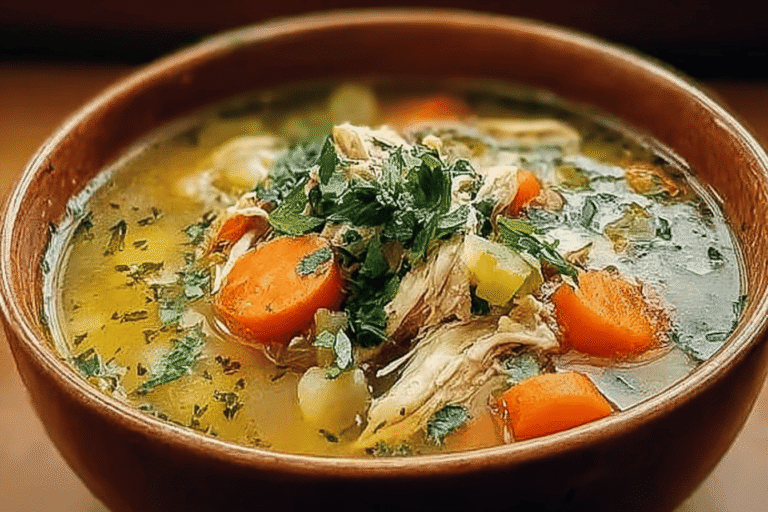
🍗 Anti Inflammatory Turmeric Chicken Soup provides a nourishing blend of spices and wholesome ingredients that support wellness and reduce inflammation.
🌿 This gluten-free and paleo-friendly recipe offers a comforting, flavorful soup that’s easy to prepare and good for your body.
- Total Time: 1 hour
- Yield: 4 servings
Ingredients
– 1/4 cup cooking fat (such as olive oil or butter)
– 1 medium onion, diced
– 1 large leek (white and light green parts only), halved lengthwise and thinly sliced
– 3 large carrots, thinly sliced
– 3 stalks celery, thinly sliced
– 1 teaspoon kosher salt (plus extra to taste)
– 3 cloves garlic, chopped
– 1 teaspoon turmeric
– 1 teaspoon poultry seasoning
– 6 cups chicken broth (or vegetable broth for a vegetarian option)
– 1 13.5 ounce can coconut milk (optional)
– 1 1/4 pounds boneless skinless chicken thighs or breasts
– 1 10 ounce bag frozen peas (optional)
– 1/4 cup chopped fresh parsley
– 1/2 teaspoon black pepper (or to taste)
Instructions
1-First, heat the cooking fat in a large pot over medium heat. Add the onion, leek, carrots, celery, and 1 teaspoon salt, then sauté for 14-16 minutes until the leeks soften and begin to caramelize. This step builds a flavorful base that makes the soup extra tasty.
2-Next, add the garlic, turmeric, and poultry seasoning, and sauté for 2-3 minutes until fragrant. Stir in the chicken broth, coconut milk if you’re using it, and the raw chicken, then bring to a gentle simmer. Make sure the chicken is submerged and simmer partially covered on low for 15-20 minutes until everything is tender, avoiding a hard boil to keep the mixture smooth.
3-After that, remove the chicken to cool slightly, then shred or cut it into bite-sized pieces. Return it to the pot with the frozen peas and fresh parsley, and simmer for another 5 minutes until the peas are bright and tender. Finally, season with more salt and pepper as needed, and serve it up warm for a comforting meal.
Last Step:
Please leave a rating and comment letting us know how you liked this recipe! This helps our business to thrive and continue providing free, high-quality recipes for you.Notes
🧄 Use olive oil, coconut oil, or butter as the cooking fat to enhance flavor.
🥕 Leeks add mild sweetness; substitute with green onions if desired.
🌱 Substitute frozen peas with broccoli, baby spinach, or kale for variety.
- Prep Time: 15 minutes
- Cook Time: 45 minutes
- Category: Soup
- Method: Sautéing and simmering
- Cuisine: Healthy, Paleo
- Diet: Gluten-Free, Paleo, Dairy-Free (if coconut milk used)
Nutrition
- Serving Size: 1 bowl