
Why You’ll Love This Cajun Shrimp Etouffee
If you are craving a cozy Louisiana-style dinner, Cajun Shrimp Etouffee is a great one to keep in your rotation. It brings rich flavor, tender shrimp, and a silky gravy together in one satisfying bowl. Best of all, it fits well into a busy weeknight because the hands-on work is simple and the steps are easy to follow.
- Easy to prepare: This shrimp etouffee recipe uses straightforward pantry ingredients, plus a homemade stock that adds deep flavor without much extra effort. The cook time is about 50 minutes, so dinner can be on the table in about 1 hour.
- Full of bold flavor: The mix of Creole or Cajun seasoning, garlic, Worcestershire sauce, and hot sauce gives the dish that classic bayou taste. The shrimp stock adds a savory base that makes every bite richer.
- Flexible for different needs: You can serve it over rice or quinoa, and you can swap in chicken stock if shrimp stock is not available. That makes this cajun etouffee a smart choice for many home kitchens.
- Great for leftovers: This easy cajun shrimp etouffee can be doubled for meal prep or family dinners. The flavor often gets even better the next day.
“If you want a warm, filling meal that tastes like it took all day, this authentic cajun shrimp etouffee delivers every time.”
For readers who love easy comfort food, this cajun shrimp etouffee recipe gives you that slow-simmered flavor without a long afternoon in the kitchen. If you enjoy rich, hearty meals like this, you may also like our homemade apple cobbler for a cozy dessert after dinner.
Jump to:
- Why You’ll Love This Cajun Shrimp Etouffee
- Essential Ingredients for Cajun Shrimp Etouffee
- For the Stock
- For the Etouffee
- Special Dietary Options
- How to Prepare the Perfect Cajun Shrimp Etouffee: Step-by-Step Guide
- First Step: Make the Shrimp Stock
- Second Step: Season the Shrimp
- Third Step: Start the Base for the Etouffee
- Fourth Step: Build the Roux
- Fifth Step: Simmer the Gravy
- Sixth Step: Cook the Shrimp
- Final Step: Serve and Enjoy
- Dietary Substitutions to Customize Your Cajun Shrimp Etouffee
- Protein and Main Component Alternatives
- Vegetable, Sauce, and Seasoning Modifications
- Mastering Cajun Shrimp Etouffee: Advanced Tips and Variations
- Pro Cooking Techniques
- Flavor Variations
- Presentation Tips
- Make-Ahead Options
- How to Store Cajun Shrimp Etouffee: Best Practices
- Refrigeration
- Freezing
- Reheating
- Meal Prep Considerations
- FAQs: Frequently Asked Questions About Cajun Shrimp Etouffee
- What is Cajun shrimp etouffee?
- How do you make shrimp etouffee from scratch?
- What’s the difference between shrimp etouffee and shrimp gumbo?
- Can you use frozen shrimp for etouffee?
- How long does shrimp etouffee last in the fridge and can you freeze it?
- Cajun Shrimp Etouffee
- Ingredients
- Instructions
- Last Step:
- Notes
- Nutrition
- Did you make this recipe?
Essential Ingredients for Cajun Shrimp Etouffee
To make a traditional shrimp etouffee cajun style, you will build flavor in two parts: the stock and the gravy. Do not skip the shrimp shells if you have them, because they add a deep seafood taste that makes the finished dish taste more authentic. Below is a clear ingredient list with every item you need.
For the Stock
- Shells and tails from 2 pounds of shrimp – This forms the base of the stock and gives the dish a strong shrimp flavor.
- 1 sliced lemon – Adds brightness and helps cut through the richness.
- 1/2 onion, skinned – Adds sweetness and depth to the stock.
- 2 stalks celery – Brings savory flavor and a gentle vegetal note.
- 1/2 teaspoon dried thyme – Adds a classic Cajun herb flavor.
- 1/2 teaspoon ground black pepper – Brings mild heat and balance.
- 6 to 8 cups water – Creates enough liquid for a flavorful homemade stock.
For the Etouffee
- 2 pounds raw shrimp, peeled and cleaned – The main protein for the dish.
- 2 tablespoons Creole or Cajun seasoning, divided – Adds seasoning in two stages for layered flavor.
- 7 tablespoons butter, divided – Gives the gravy richness and a smooth finish.
- 1/2 cup roughly chopped onion – Part of the Cajun base.
- 1/4 cup roughly chopped celery – Adds aroma and texture.
- 1/4 cup roughly chopped red bell pepper – Brings sweetness and color.
- 1/4 cup flour – Helps create the roux and thicken the sauce.
- 1 1/2 to 2 cups shrimp stock or chicken stock – Forms the gravy.
- 3/4 cup canned diced tomatoes – Adds a little acidity and body.
- 2 tablespoons minced garlic – Boosts the savory flavor.
- 2 teaspoons Worcestershire sauce – Adds depth and a touch of tang.
- 1 teaspoon hot sauce – Gives the dish a gentle kick.
- Salt and pepper, to taste – Balances the final flavor.
- Cooked rice or quinoa, for serving – Soaks up the gravy and turns this into a full meal.
Special Dietary Options
- Vegan: Replace shrimp with hearts of palm, king oyster mushrooms, or chickpeas. Use vegetable stock instead of shrimp stock, and plant-based butter if needed.
- Gluten-free: Use a gluten-free flour blend for the roux and check that your Worcestershire sauce is gluten-free.
- Low-calorie: Serve over cauliflower rice or a smaller portion of quinoa, and use less butter if you want a lighter gravy.
| Ingredient Group | Main Role | Why It Matters |
|---|---|---|
| Shrimp shells and stock ingredients | Flavor base | Builds a rich seafood taste from scratch |
| Butter and flour | Roux and gravy | Creates the classic thick texture |
| Vegetables and seasonings | Aromatics | Give the dish its Cajun character |
| Rice or quinoa | Serving base | Makes the meal filling and easy to serve |
If you enjoy classic Southern-style comfort food, you might also like these bright lemon bars for a sweet finish after this savory dinner.
How to Prepare the Perfect Cajun Shrimp Etouffee: Step-by-Step Guide
This shrimp etouffee recipe comes together in two main stages. First, you make a quick shrimp stock from the shells. Then you turn that stock into a rich gravy and simmer the shrimp just until they turn pink and tender. Keep your heat steady and your whisk handy, and the whole process will feel very manageable.
First Step: Make the Shrimp Stock
Place the shells and tails from 2 pounds of shrimp into a large Dutch oven. Add 1 sliced lemon, 1/2 skinned onion, 2 stalks celery, 1/2 teaspoon dried thyme, 1/2 teaspoon ground black pepper, and 6 to 8 cups water. Bring the pot to a boil over medium-high heat.
Once it boils, lower the heat and let it simmer for 45 to 60 minutes. This step gives you a rich base for the cajun shrimp etouffee and helps the final dish taste more layered and homemade. When the stock is done, strain it and set it aside. You should have a fragrant seafood stock ready for the gravy.
Second Step: Season the Shrimp
While the stock simmers, place the 2 pounds of peeled and cleaned shrimp in a bowl. Toss them with 1 tablespoon of the Creole or Cajun seasoning. This helps the shrimp taste seasoned all the way through, not just on the outside.
If you are using frozen shrimp, thaw them first and pat them dry before seasoning. That keeps the sauce from turning watery later. A shrimp cleaner tool can make peeling and deveining much faster if you are starting with shell-on shrimp.
Third Step: Start the Base for the Etouffee
In a medium Dutch oven, melt 4 tablespoons of the butter over medium-high heat. Add 1/2 cup roughly chopped onion, 1/4 cup roughly chopped celery, and 1/4 cup roughly chopped red bell pepper. Sauté for about 5 minutes, stirring often, until the onions turn translucent and the vegetables soften.
This trio of vegetables gives the dish its classic Cajun flavor. The gentle sweetness from the bell pepper balances the heat from the seasoning, while the celery and onion add depth. Keep the heat steady so the vegetables soften without browning too fast.
Fourth Step: Build the Roux
Whisk in 1/4 cup flour and cook it for 3 to 5 minutes. The flour will blend with the butter and vegetables to make a thick paste. This is the roux, and it is what gives shrimp etouffee its rich, gravy-like body.
Add the remaining 1 tablespoon of Creole seasoning at this point and stir well. Then gradually whisk in about 1/4 cup of the shrimp stock to create a smooth paste. After that, add the remaining 1 1/4 to 1 3/4 cups stock little by little until the gravy reaches the texture you want.
Keep whisking as you add the stock. A slow pour helps prevent lumps and gives you a smooth, silky sauce.
Fifth Step: Simmer the Gravy
Bring the mixture to a boil, then lower the heat to a gentle simmer. Stir in 3/4 cup canned diced tomatoes, 2 tablespoons minced garlic, 2 teaspoons Worcestershire sauce, and 1 teaspoon hot sauce. Season with salt and pepper to taste.
Let the gravy simmer for 20 to 30 minutes. This gives the flavors time to come together and helps the sauce thicken a bit more. If the gravy seems too thick, add a splash more stock. If it looks too thin, let it simmer a little longer.
Sixth Step: Cook the Shrimp
Add the seasoned shrimp to the simmering gravy and cook for about 10 minutes, or until the shrimp turn pink and opaque. Do not overcook them, or they can become tough. The shrimp are done when they curl into a loose C shape and feel firm but still tender.
Once the shrimp are ready, stir in the remaining 3 tablespoons of butter. This final butter finish gives the cajun etouffee a glossy look and a richer taste. Taste again and adjust salt, pepper, or hot sauce if needed.
Final Step: Serve and Enjoy
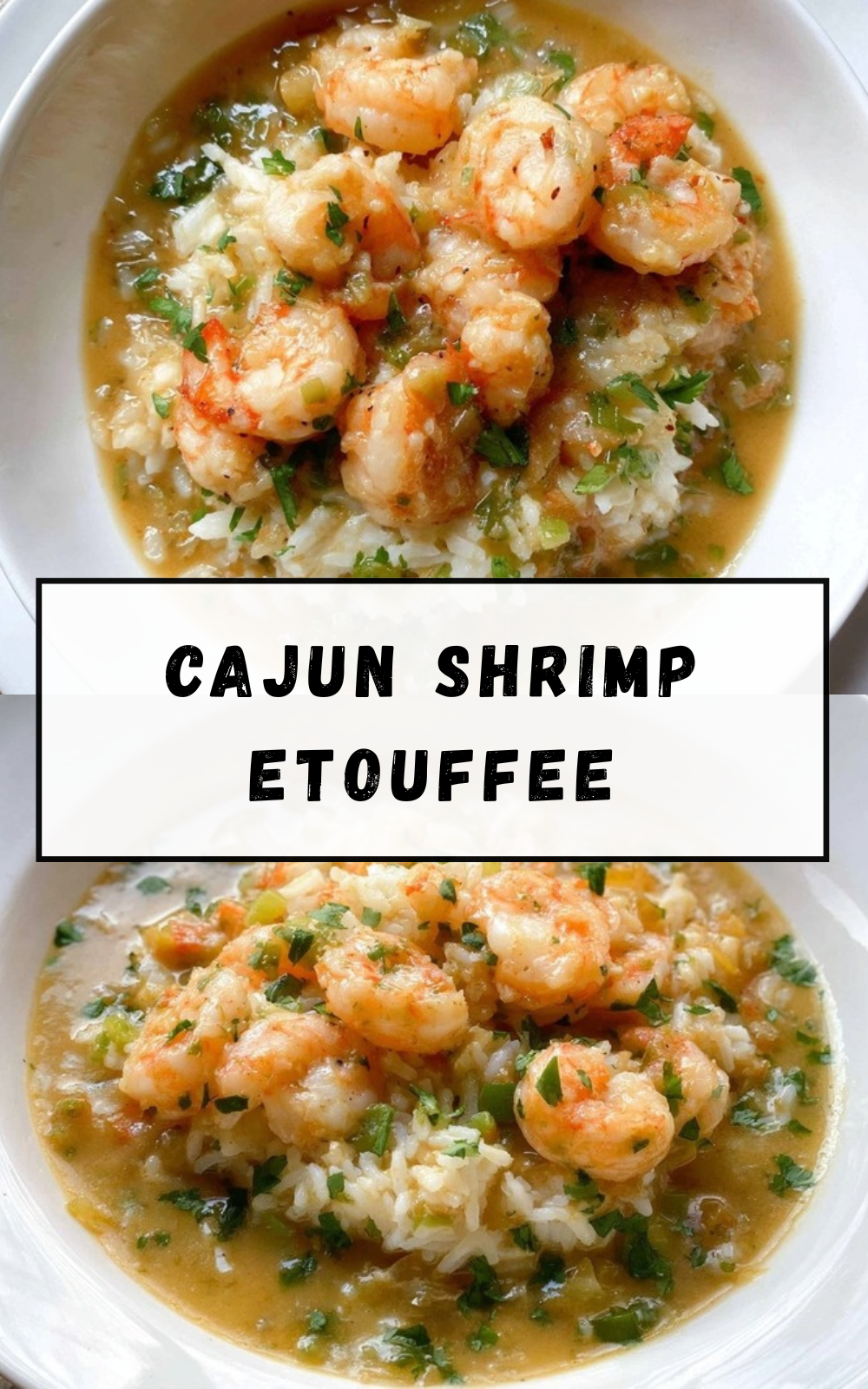
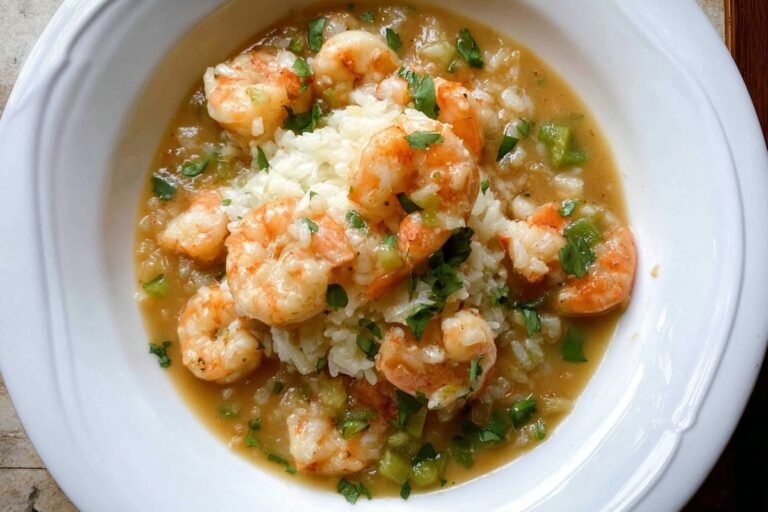
Spoon the Cajun Shrimp Etouffee over cooked rice or quinoa. Rice is the classic choice, but quinoa is a nice option if you want a different grain or a bit more fiber. If you have extra shrimp stock, you can even cook the quinoa in it for more flavor.
Serve the dish hot, with a little extra hot sauce on the table if your family likes more heat. The finished meal is thick, hearty, and full of comforting Southern flavor.

Dietary Substitutions to Customize Your Cajun Shrimp Etouffee
Protein and Main Component Alternatives
If shrimp is not available, you still have a few good choices. Chicken works well in a similar gravy, though it changes the feel of the dish a little. For a pescatarian meal, scallops can work, but add them only near the end so they stay tender.
For a plant-based version, hearts of palm, chickpeas, or mushrooms can stand in for the shrimp. They will not taste the same as the original, but they absorb seasoning well and hold up nicely in the sauce.
Vegetable, Sauce, and Seasoning Modifications
You can swap the red bell pepper for green bell pepper if you want a more traditional Cajun flavor. If you like a spicier dish, add a bit more hot sauce or a pinch of cayenne. If you want a milder bowl, cut back on the hot sauce and use less Cajun seasoning.
Chicken stock is the easiest substitute if you do not have enough shrimp stock. That is a useful shortcut for busy cooks, and it still makes a tasty etouffee recipe. For a gluten-free version, use a gluten-free flour blend and check your seasoning labels carefully.
If you are building a full dinner menu, this savory main course pairs nicely with something fresh and sweet on the side, like homemade strawberry sauce over dessert later in the week.
Mastering Cajun Shrimp Etouffee: Advanced Tips and Variations
Once you make authentic cajun shrimp etouffee a few times, you will start noticing little ways to adjust the texture and flavor. These small changes can make the dish fit your schedule and taste preferences even better. The recipe is already straightforward, but a few smart tricks can make it even easier.
Pro Cooking Techniques
Use medium heat when cooking the roux so it does not burn. Stir often, especially once the flour goes in. A well-cooked roux gives the sauce a deeper flavor and helps the whole dish taste more balanced.
If you want a thicker sauce, simmer it a little longer before adding the shrimp. If you want a looser gravy, add a splash more stock. Cook quinoa in the shrimp stock for a flavor boost, especially if you plan to serve it that way instead of rice.
Flavor Variations
You can add a little extra Cajun seasoning if you want a bolder bite. Some cooks also like a small pinch of smoked paprika for deeper color. If your family likes tomato flavor, keep the canned diced tomatoes as written. If you prefer a cleaner seafood profile, use the tomatoes sparingly next time.
Presentation Tips
Spoon the shrimp etouffee into shallow bowls so the gravy can spread nicely over the rice or quinoa. Top with a sprinkle of chopped parsley or green onions if you have them. A wedge of lemon on the side also looks nice and gives each person a fresh splash of citrus if they want it.
Make-Ahead Options
The stock can be made ahead and stored in the fridge for a day or two. You can also chop the vegetables earlier in the day to save time at dinner. If you are cooking for a crowd, double or triple the recipe and keep the finished gravy warm on very low heat until serving time.
How to Store Cajun Shrimp Etouffee: Best Practices
Leftover Cajun Shrimp Etouffee stores well if you cool it properly and keep it sealed. Since seafood can dry out fast, gentle reheating matters a lot. Here is the easiest way to keep it tasting good.
Refrigeration
Store leftovers in an airtight container in the refrigerator for 3 to 4 days. Let the dish cool before covering it, but do not leave it out for too long. A quick chill helps keep the shrimp texture in better shape.
Freezing
You can freeze shrimp etouffee for longer storage if needed. Portion it into freezer-safe containers or bags and freeze for up to 3 months. For the best texture, freeze the gravy and shrimp together only once, and do not refreeze after thawing.
Reheating
Reheat gently on the stovetop over low heat. Add a splash of stock or water if the sauce has thickened too much. Try to avoid blasting it in the microwave for too long, since shrimp can turn rubbery quickly.
Meal Prep Considerations
This recipe is a strong choice for meal prep because it makes a filling dinner and can be portioned into easy lunches. If you are batch cooking, store the rice or quinoa separately from the etouffee. That helps keep the grains from getting soggy.
FAQs: Frequently Asked Questions About Cajun Shrimp Etouffee
What is Cajun shrimp etouffee?
Cajun shrimp etouffee is a classic Louisiana dish featuring tender shrimp simmered in a rich, flavorful gravy made from a dark roux, the “holy trinity” of onions, celery, and green bell peppers, garlic, and Cajun spices like cayenne and thyme. The name “etouffee” means “smothered” in French, referring to how the shrimp are slowly cooked in the thick sauce until succulent. It’s spicier and thicker than gumbo, with no tomatoes, and served over steamed white rice. Originating in the 1920s from Cajun fishermen in Louisiana bayous, it balances bold heat, seafood sweetness, and earthy depth. A typical recipe serves 4-6 and takes about 45 minutes, making it a weeknight favorite with fresh Gulf shrimp for best results.
How do you make shrimp etouffee from scratch?
Start by making a roux: melt ½ cup butter in a Dutch oven over medium heat, whisk in ½ cup flour, and cook 20-25 minutes until chocolate-brown, stirring constantly. Add 1 chopped onion, 1 celery stalk, 1 bell pepper, and 3 garlic cloves; sauté 5 minutes. Stir in 2 cups shrimp stock, 1 lb peeled shrimp, 2 tsp Cajun seasoning, 1 tsp thyme, and salt. Simmer 15-20 minutes until thickened. Add green onions and parsley at the end. Serve over rice. Use medium heat to avoid burning the roux—patience is key for that nutty flavor. This yields 4 servings; adjust cayenne for spice level. Pro tip: homemade stock from shrimp shells amps up authenticity.
What’s the difference between shrimp etouffee and shrimp gumbo?
Shrimp etouffee and shrimp gumbo both use roux and the holy trinity but differ in texture, thickness, and ingredients. Etouffee has a thick, gravy-like sauce that smothers the shrimp—no filé powder or okra for thickening—and no tomatoes, focusing on pure Cajun spice with rice as the base. Gumbo is thinner, soupier, often includes okra or filé, tomatoes in Creole versions, sausage or chicken, and is served with rice on the side. Etouffee cooks faster (under an hour) and emphasizes shrimp alone, while gumbo simmers longer for layered flavors. Both are Louisiana staples, but etouffee suits quick meals, gumbo big gatherings.
Can you use frozen shrimp for etouffee?
Yes, frozen shrimp work great for Cajun shrimp etouffee and are often more practical. Thaw 1 lb medium shrimp (peeled, deveined) in cold water for 20 minutes or overnight in the fridge. Pat dry to avoid watery sauce, then add during the last 5-10 minutes of simmering to prevent overcooking—they turn rubbery if boiled too long. Wild-caught Gulf shrimp (16-20 count) give the best sweet flavor, but any raw frozen shrimp suffice. Avoid cooked or breaded varieties. This saves time and keeps costs down (around $10/lb frozen vs. fresh). Test doneness by curling into a loose “C”—tight “O” means overdone. Your etouffee will still deliver that authentic bayou taste.
How long does shrimp etouffee last in the fridge and can you freeze it?
Homemade shrimp etouffee lasts 3-4 days in the fridge in an airtight container—reheat gently on stovetop with a splash of stock to loosen the sauce, avoiding microwaves to prevent tough shrimp. For freezing, cool completely, portion into freezer bags (up to 3 months), and thaw overnight in fridge before reheating. Shrimp texture holds up well if not refrozen. Label with dates for safety. It tastes even better next day as flavors meld. One batch (4 servings) provides easy meal prep. Discard if it smells off or shows mold. Pair leftovers with cornbread or French bread for dipping.
Cajun Shrimp Etouffee
🦐 Savor tender shrimp enveloped in a rich, spicy roux sauce brimming with authentic Cajun flavors for ultimate comfort food bliss.
🔥 Master this Louisiana classic at home with straightforward steps, delivering bold, hearty taste that wows family and friends.
- Total Time: 1 hour
- Yield: 4 servings
Ingredients
– Shells and tails from 2 pounds of shrimp
– 1 sliced lemon
– 1/2 onion, skinned
– 2 stalks celery
– 1/2 teaspoon dried thyme
– 1/2 teaspoon ground black pepper
– 6 to 8 cups water
– 2 pounds raw shrimp, peeled and cleaned
– 2 tablespoons Creole or Cajun seasoning, divided
– 7 tablespoons butter, divided
– 1/2 cup roughly chopped onion
– 1/4 cup roughly chopped celery
– 1/4 cup roughly chopped red bell pepper
– 1/4 cup flour
– 1 1/2 to 2 cups shrimp stock or chicken stock
– 3/4 cup canned diced tomatoes
– 2 tablespoons minced garlic
– 2 teaspoons Worcestershire sauce
– 1 teaspoon hot sauce
– Salt and pepper, to taste
– Cooked rice or quinoa, for serving
Instructions
1-First Step: Make the Shrimp Stock Place the shells and tails from 2 pounds of shrimp into a large Dutch oven. Add 1 sliced lemon, 1/2 skinned onion, 2 stalks celery, 1/2 teaspoon dried thyme, 1/2 teaspoon ground black pepper, and 6 to 8 cups water. Bring the pot to a boil over medium-high heat. Once it boils, lower the heat and let it simmer for 45 to 60 minutes. This step gives you a rich base for the cajun shrimp etouffee and helps the final dish taste more layered and homemade. When the stock is done, strain it and set it aside. You should have a fragrant seafood stock ready for the gravy.
2-Second Step: Season the Shrimp While the stock simmers, place the 2 pounds of peeled and cleaned shrimp in a bowl. Toss them with 1 tablespoon of the Creole or Cajun seasoning. This helps the shrimp taste seasoned all the way through, not just on the outside. If you are using frozen shrimp, thaw them first and pat them dry before seasoning. That keeps the sauce from turning watery later. A shrimp cleaner tool can make peeling and deveining much faster if you are starting with shell-on shrimp.
3-Third Step: Start the Base for the Etouffee In a medium Dutch oven, melt 4 tablespoons of the butter over medium-high heat. Add 1/2 cup roughly chopped onion, 1/4 cup roughly chopped celery, and 1/4 cup roughly chopped red bell pepper. Sauté for about 5 minutes, stirring often, until the onions turn translucent and the vegetables soften. This trio of vegetables gives the dish its classic Cajun flavor. The gentle sweetness from the bell pepper balances the heat from the seasoning, while the celery and onion add depth. Keep the heat steady so the vegetables soften without browning too fast.
4-Fourth Step: Build the Roux Whisk in 1/4 cup flour and cook it for 3 to 5 minutes. The flour will blend with the butter and vegetables to make a thick paste. This is the roux, and it is what gives shrimp etouffee its rich, gravy-like body. Add the remaining 1 tablespoon of Creole seasoning at this point and stir well. Then gradually whisk in about 1/4 cup of the shrimp stock to create a smooth paste. After that, add the remaining 1 1/4 to 1 3/4 cups stock little by little until the gravy reaches the texture you want. Keep whisking as you add the stock. A slow pour helps prevent lumps and gives you a smooth, silky sauce.
5-Fifth Step: Simmer the Gravy Bring the mixture to a boil, then lower the heat to a gentle simmer. Stir in 3/4 cup canned diced tomatoes, 2 tablespoons minced garlic, 2 teaspoons Worcestershire sauce, and 1 teaspoon hot sauce. Season with salt and pepper to taste. Let the gravy simmer for 20 to 30 minutes. This gives the flavors time to come together and helps the sauce thicken a bit more. If the gravy seems too thick, add a splash more stock. If it looks too thin, let it simmer a little longer.
6-Sixth Step: Cook the Shrimp Add the seasoned shrimp to the simmering gravy and cook for about 10 minutes, or until the shrimp turn pink and opaque. Do not overcook them, or they can become tough. The shrimp are done when they curl into a loose C shape and feel firm but still tender. Once the shrimp are ready, stir in the remaining 3 tablespoons of butter. This final butter finish gives the cajun etouffee a glossy look and a richer taste. Taste again and adjust salt, pepper, or hot sauce if needed.
7-Final Step: Serve and Enjoy Spoon the Cajun Shrimp Etouffee over cooked rice or quinoa. Rice is the classic choice, but quinoa is a nice option if you want a different grain or a bit more fiber. If you have extra shrimp stock, you can even cook the quinoa in it for more flavor. Serve the dish hot, with a little extra hot sauce on the table if your family likes more heat. The finished meal is thick, hearty, and full of comforting Southern flavor.
Last Step:
Please leave a rating and comment letting us know how you liked this recipe! This helps our business to thrive and continue providing free, high-quality recipes for you.Notes
🦐 Use a shrimp cleaner tool for effortless peeling and deveining.
🍲 Substitute chicken stock if shrimp stock isn’t handy.
📈 Double the recipe to enjoy flavorful leftovers all week.
- Prep Time: 10 minutes
- Cook Time: 50 minutes
- Category: Main Dish
- Method: Stovetop
- Cuisine: Cajun
Nutrition
- Serving Size: 1 serving
- Calories: 963 calories
- Sugar: 6g
- Sodium: 6474mg
- Fat: 30g
- Saturated Fat: 16g
- Unsaturated Fat: 12g
- Trans Fat: 1g
- Carbohydrates: 52g
- Fiber: 5g
- Protein: 115g
- Cholesterol: 1049mg