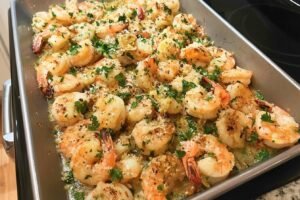

Why You’ll Love This Shrimp Chow Mein
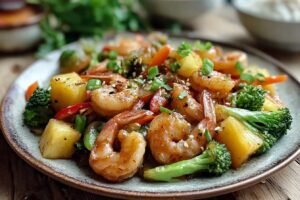
This Shrimp Chow Mein is the kind of easy homemade takeout style dinner that saves the day when you want something fast, filling, and full of flavor. It comes together in about 25 minutes, uses simple pantry staples, and gives you that cozy stir-fry taste without a trip to the restaurant. If you are cooking for busy weeknights, picky eaters, or meal prep, this recipe fits right in.
- Easy to make: The prep is simple, and the cooking moves fast once everything is chopped and ready. That makes it a smart choice for home cooks who want dinner on the table without stress.
- Good balance of nutrients: With shrimp, noodles, and plenty of vegetables, this dish brings protein, fiber, and color to the plate. It is a satisfying meal that can still feel light.
- Flexible for many diets: You can swap the noodles, change the vegetables, or adjust the sauce to suit your needs. It works well for busy parents, students, and working professionals.
- Takeout style flavor at home: The mix of oyster sauce, Shaoxing wine, dark soy sauce, sesame oil, and honey gives the dish a rich, savory taste with a little sweetness and plenty of umami.
Quick tip: If you like learning more about seafood nutrition, this helpful guide from WebMD on shrimp health benefits is a nice place to start.
This shrimp noodle stir-fry is also great for anyone who wants a recipe that feels restaurant-inspired but still realistic for a home kitchen. You do not need special tools, and the whole meal uses common ingredients that cook quickly in a hot wok or large pan.
Jump to:
- Why You’ll Love This Shrimp Chow Mein
- Essential Ingredients for Shrimp Chow Mein
- Main Ingredients
- Special Dietary Options
- How to Prepare the Perfect Shrimp Chow Mein: Step-by-Step Guide
- First Step: Cook the noodles and broccoli
- Second Step: Prep all vegetables
- Third Step: Mix the sauce and marinate the shrimp
- Fourth Step: Cook the shrimp
- Fifth Step: Stir-fry the aromatics and vegetables
- Sixth Step: Add noodles and sauce
- Final Step: Return the shrimp and serve
- Dietary Substitutions to Customize Your Shrimp Chow Mein
- Protein and Main Component Alternatives
- Vegetable, Sauce, and Seasoning Modifications
- Mastering Shrimp Chow Mein: Advanced Tips and Variations
- Pro cooking techniques
- Flavor variations
- Presentation tips
- Make-ahead options
- How to Store Shrimp Chow Mein: Best Practices
- Refrigeration
- Freezing
- Reheating
- Meal prep considerations
- FAQs: Frequently Asked Questions About Shrimp Chow Mein
- What is shrimp chow mein?
- What ingredients are in shrimp chow mein?
- How do you make shrimp chow mein at home?
- Can I use frozen shrimp for shrimp chow mein?
- How many calories are in shrimp chow mein?
- Shrimp Chow Mein
- Ingredients
- Instructions
- Last Step:
- Notes
- Nutrition
- Did you make this recipe?
Essential Ingredients for Shrimp Chow Mein
Here is everything you need for this Shrimp Chow Mein recipe, with each ingredient listed clearly so prep goes smoothly. Having everything measured and chopped before you turn on the heat makes the stir-fry process much easier.
Main Ingredients
- 250g (1/2 pound) Asian medium egg noodles or spaghetti – These form the base of the dish and soak up the sauce beautifully.
- 2 tablespoons oyster sauce – Adds deep savory flavor and helps create that classic takeout taste.
- 2 tablespoons Shaoxing wine or dry sherry – Brings a gentle aromatic note to the sauce.
- 1 tablespoon dark soy sauce – Gives the noodles a richer color and deeper flavor.
- 1 to 2 teaspoons sesame oil – Adds nutty aroma and rounds out the sauce.
- 2 teaspoons honey or sugar – Balances the salty ingredients with a light touch of sweetness.
- 1/2 teaspoon white pepper – Brings a mild peppery warmth.
- 2 tablespoons vegetable oil – Used for stir-frying the shrimp and vegetables.
- 450g (1 pound) shrimp, peeled and deveined – The main protein, quick-cooking and tender when handled properly.
- 2 cloves garlic, minced – Adds sharp, fragrant flavor to the stir-fry.
- 1 tablespoon ginger, minced or grated – Brings freshness and a little spice.
- 1 carrot, cut into matchsticks – Adds crunch, sweetness, and bright color.
- 200g (7 ounces) broccoli, broken into florets – Gives texture and a veggie boost.
- 70g (1/2 cup) cabbage, shredded – Softens quickly and helps bulk up the dish.
- 50g (1/2 cup) snow peas, cut in half lengthwise – Adds sweetness and a crisp bite.
- 4 green onions, white parts sliced, green parts cut into 3-inch pieces – The whites add flavor early, while the green tops finish the dish with freshness.
Special Dietary Options
- Vegan: Swap the shrimp for tofu, tempeh, or mushrooms. Use a plant-based stir-fry sauce and skip oyster sauce unless you choose a vegetarian version.
- Gluten-free: Use gluten-free noodles or rice noodles and choose gluten-free soy sauce alternatives. Check oyster sauce labels carefully.
- Low-calorie: Use less noodle, a lighter hand with oil, and extra vegetables. You can also reduce the honey slightly if you want a less sweet sauce.
If you enjoy quick homemade meals, you may also like the simple dinner ideas on Recipe Resource for easy everyday inspiration after your stir-fry night.
How to Prepare the Perfect Shrimp Chow Mein: Step-by-Step Guide
This recipe moves fast once the pan gets hot, so the best thing you can do is prep first. Chop the vegetables, mix the sauce, and have the shrimp ready before you start cooking. That way, nothing overcooks while you are reaching for the next ingredient.
First Step: Cook the noodles and broccoli
Bring a pot of water to a boil and cook the 250g noodles according to package directions, adding the 200g broccoli florets during the last few minutes so they soften at the same time. This trick saves time and makes the broccoli tender without turning mushy. Once the noodles are tender, drain them well, rinse under cold water, and set them aside.
Rinsing helps stop the cooking process and keeps the noodles from sticking together. If you want to get ahead on prep, you can toss them with a tiny splash of oil after draining. That small step can make later tossing easier in the wok.
Second Step: Prep all vegetables
While the noodles cook, prepare the rest of the vegetables. Cut 1 carrot into matchsticks, shred 70g cabbage, halve 50g snow peas lengthwise, slice the white parts of the 4 green onions, and cut the green parts into 3-inch pieces. Keep each item separate so you can add them to the pan in the right order.
Thin slicing matters here. Dense vegetables like carrot and cabbage cook more evenly when cut small, and they stay pleasantly crisp in the finished stir-fry. This is one of the easiest ways to get a better texture at home.
Third Step: Mix the sauce and marinate the shrimp
In a small bowl, mix together 2 tablespoons oyster sauce, 2 tablespoons Shaoxing wine or dry sherry, 1 tablespoon dark soy sauce, 2 teaspoons honey or sugar, 1/2 teaspoon white pepper, and 1 to 2 teaspoons sesame oil. Stir until the sauce looks smooth and glossy. Taste if needed, keeping in mind that the noodles will absorb some of the flavor later.
Spoon 2 tablespoons of the sauce over the 450g shrimp and let it sit for a few minutes. This quick marinade gives the shrimp a head start on flavor without requiring much time. Do not marinate too long, since shrimp can change texture if left sitting too long in acidic or salty mixtures.
The sauce is the heart of this dish. Oyster sauce, Shaoxing wine, dark soy sauce, sesame oil, and honey work together to create the classic savory-sweet flavor people love in shrimp chow mein.
Fourth Step: Cook the shrimp
Heat 1 tablespoon vegetable oil in a wok or large pan over medium-high heat. Once the oil is hot, add the shrimp in a single layer. Cook for 1 to 2 minutes per side, just until pink and opaque, then remove them from the pan. Shrimp cook fast, so keep an eye on them.
It helps to use fresh, high-quality shrimp if possible. If your shrimp are very large, they may need a little more time. If they curl tightly into an O shape, they are usually overdone, so aim for a gentle C shape instead.
Fifth Step: Stir-fry the aromatics and vegetables
Add the remaining 1 tablespoon vegetable oil to the pan. Stir-fry the sliced white parts of the green onions, 2 cloves minced garlic, and 1 tablespoon minced ginger for about 30 seconds, just until fragrant. Then add the carrot, broccoli florets, shredded cabbage, snow peas, and green onion pieces. Stir-fry for 2 to 3 minutes until the vegetables are crisp-tender.
Work quickly and keep the heat up so the vegetables stay bright and lively. This is also the best time to remove them if you want a firmer texture. A hot pan helps you get that restaurant-style finish without making the vegetables soggy.
Sixth Step: Add noodles and sauce
Add the drained noodles and the remaining sauce to the pan. Toss everything together so the noodles get coated evenly. Keep the heat on long enough for the noodles to warm through and absorb the flavor of the sauce.
If the noodles seem dry, add a small splash of water to loosen them. If they seem too wet, let them cook for another minute while tossing. This part is all about balance, so go by the look and feel of the pan.
Final Step: Return the shrimp and serve
Put the shrimp and vegetables back into the pan. Toss everything together and heat for 1 minute more so the full dish comes together. Taste and adjust if needed, then serve immediately while hot.
This dish is best eaten right away, when the noodles are glossy and the vegetables still have a bit of crunch. It makes 3 to 4 servings and works well for lunch or dinner.
| Prep Time | Cook Time | Total Time | Servings | Calories per Serving |
|---|---|---|---|---|
| 15 minutes | 10 minutes | 25 minutes | 3 to 4 | 354 |

Dietary Substitutions to Customize Your Shrimp Chow Mein
Protein and Main Component Alternatives
If you do not have shrimp on hand, this recipe still works with a few easy swaps. Chicken breast, sliced thin, cooks nicely in the same stir-fry style. Tofu is another solid choice if you want a vegetarian version that still feels hearty.
You can also switch the noodles depending on what is in your pantry. Medium egg noodles are ideal, but spaghetti or linguine works well too. Just follow the package cooking time and make sure the noodles stay firm enough to toss in the pan.
Vegetable, Sauce, and Seasoning Modifications
This shrimp noodle stir-fry is easy to adapt based on the vegetables you like. Bell peppers, bok choy, mushrooms, bean sprouts, and baby corn all fit nicely here. If you want more crunch, add extra snow peas or cabbage at the end.
For the sauce, you can lower the sugar or honey a little if you want a less sweet finish. If you need a gluten-free version, use a certified gluten-free soy sauce alternative and noodles that fit your diet. For a lighter dish, use less oil and increase the vegetables so the meal still feels full and balanced.
Mastering Shrimp Chow Mein: Advanced Tips and Variations
Once you have made this dish a few times, a few small changes can make it even better. The biggest rule is to keep your pan hot and your ingredients ready. Stir-frying is quick, so good prep makes a huge difference.
Pro cooking techniques
Boil the noodles and broccoli together for efficiency, just like a true weeknight shortcut. Cook the vegetables briefly, then remove them before adding the noodles so they do not soften too much. This keeps the final dish lively instead of heavy.
Another good trick is to cook the shrimp in batches if your pan is small. Overcrowding lowers the heat and can make the shrimp steam instead of sear. That small change helps the shrimp stay tender and flavorful.
Flavor variations
If you want a different flavor profile, add a little chili paste or red pepper flakes for heat. You can also toss in mushrooms for earthiness or bell peppers for sweetness. A touch of hoisin can deepen the sauce if you prefer a sweeter finish.
Presentation tips
Serve the noodles in a shallow bowl or on a wide plate so the shrimp and vegetables show well. Finish with the green onion tops for a fresh look. A small sprinkle of sesame seeds can also add a nice final touch if you have them.
Make-ahead options
You can chop the vegetables and mix the sauce a day ahead to make dinner even faster. Shrimp can also be peeled and deveined in advance if you are buying them fresh. Keeping everything ready in the fridge turns this into a truly quick dinner when you are short on time.
If you enjoy simple make-ahead sweets for later in the week, you might like the white chocolate cranberry cookies recipe for an easy treat to pair with meal prep.
How to Store Shrimp Chow Mein: Best Practices
Leftovers can be stored, but stir-fried noodles taste best when eaten fresh. If you do have extra, let the dish cool before packing it up. That helps keep the texture better and makes reheating easier.
Refrigeration
Store leftover shrimp chow mein in an airtight container in the refrigerator for up to 3 days. Keep it chilled promptly after serving. Since shrimp is a delicate protein, it is best not to leave leftovers sitting out for long.
Freezing
Freezing is possible, but the noodles and vegetables may soften after thawing. If you plan to freeze it, use freezer-safe containers and cool the dish fully before packing. For the best texture, freeze only if needed and keep it for up to 1 month.
Reheating
Reheat in a skillet over medium heat with a splash of water to loosen the noodles. Stir often until heated through. You can also use the microwave in short bursts, but the skillet usually gives a better texture.
Meal prep considerations
If you are making this for meal prep, store the noodles separately from the sauce when possible. That helps the noodles stay from getting too soft. You can also keep the shrimp and vegetables in one container and combine everything when reheating.
| Storage Method | Best Time Frame | Notes |
|---|---|---|
| Refrigerator | Up to 3 days | Use airtight containers |
| Freezer | Up to 1 month | Texture may soften after thawing |
| Reheat | As needed | Skillet works best for texture |
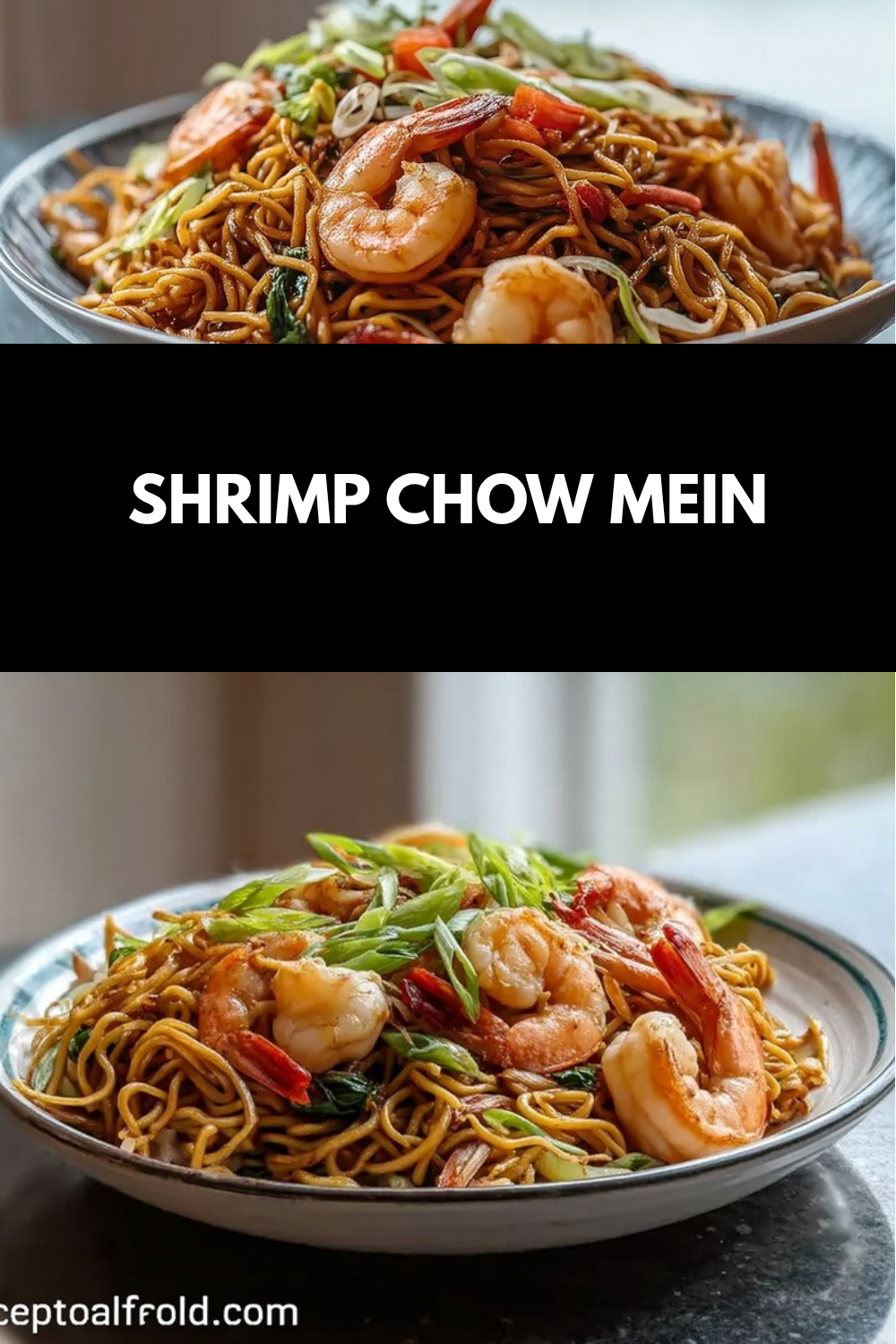
FAQs: Frequently Asked Questions About Shrimp Chow Mein
What is shrimp chow mein?
Shrimp chow mein is a popular Chinese-American stir-fry dish featuring tender shrimp, crispy or soft wheat noodles, and fresh vegetables like cabbage, carrots, bean sprouts, and green onions. It’s tossed in a savory sauce made from soy sauce, oyster sauce, sesame oil, and garlic for a balance of umami, crunch, and slight sweetness. Unlike lo mein, which uses soft noodles mixed into the sauce, chow mein often has pan-fried noodles for crispiness on the bottom. This quick meal takes about 25-30 minutes to prepare and serves 4 people. It’s versatile—add bok choy or bell peppers for extra veggies—and pairs well with steamed rice. Perfect for weeknight dinners, it delivers 350-450 calories per serving depending on portions.
What ingredients are in shrimp chow mein?
Key ingredients for shrimp chow mein include 1 lb peeled and deveined shrimp, 8 oz chow mein noodles (or spaghetti as substitute), 2 cups shredded cabbage, 1 cup bean sprouts, 1 carrot julienned, 2 green onions sliced, and 3 garlic cloves minced. For the sauce: 3 tbsp soy sauce, 2 tbsp oyster sauce, 1 tbsp hoisin sauce, 1 tsp sesame oil, 1 tsp cornstarch slurry for thickening, and chicken broth. Optional add-ins: snow peas or mushrooms. Use fresh shrimp for best texture—cook them separately first to avoid overcooking. Prep all veggies ahead (mise en place) for fast stir-frying. This combo keeps the dish light yet flavorful, totaling about $10-15 for 4 servings.
How do you make shrimp chow mein at home?
Start by boiling chow mein noodles per package (4-5 minutes), drain, and rinse under cold water. Pat 1 lb shrimp dry, season with salt, and stir-fry in 2 tbsp oil over high heat for 2 minutes until pink; remove. In the same wok, sauté garlic, carrots, cabbage, and bean sprouts for 3-4 minutes. Mix sauce (3 tbsp soy, 2 tbsp oyster, 1 tbsp hoisin, 1 tsp sesame oil, broth) and add with noodles and shrimp; toss 2 minutes. For crispy noodles, pan-fry half separately first. Total time: 25 minutes. Tips: High heat prevents sogginess; don’t overcrowd the wok. Serve immediately garnished with green onions. This method yields restaurant-quality results with everyday pantry staples.
Can I use frozen shrimp for shrimp chow mein?
Yes, frozen shrimp works great for shrimp chow mein and is often more affordable and accessible. Thaw 1 lb shrimp in cold water for 15-20 minutes or overnight in the fridge—pat dry thoroughly to remove excess moisture for better searing. Avoid cooking from frozen, as it releases water and makes the dish watery. Season thawed shrimp with a pinch of salt and cornstarch for tenderness, then stir-fry 2-3 minutes until opaque. Test doneness by curling into a “C” shape (overcooked is “O”). Frozen shrimp retains nutrients similarly to fresh if not overprocessed. This substitution keeps costs under $8 for protein, making the recipe budget-friendly without sacrificing taste or texture.
How many calories are in shrimp chow mein?
A standard serving of homemade shrimp chow mein (about 1.5 cups) has 400-500 calories, depending on oil use and noodle amount. Breakdown: shrimp (100 cal), noodles (200 cal), veggies (50 cal), sauce (100 cal). Opt for low-sodium soy and minimal oil to drop to 350 calories. It’s protein-packed (25-30g from shrimp) with fiber from veggies, aiding satiety. Compared to takeout (600+ calories from extra oil), home versions are healthier. Track with apps like MyFitnessPal. To lighten further: use zucchini noodles, air-fry shrimp, or halve sauce. Pairs with a side salad for a balanced 500-calorie meal under 30g carbs, ideal for weight management.
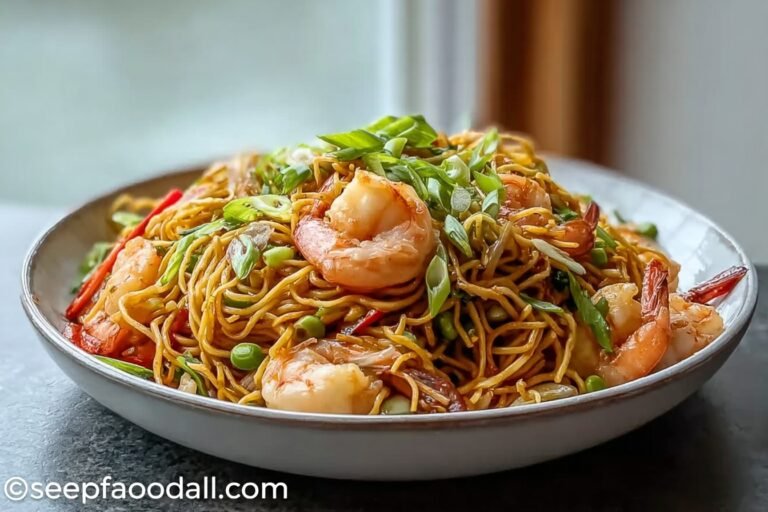
Shrimp Chow Mein
🍤🍜 Easy homemade shrimp chow mein – 29g protein takeout-style with crisp veggies in just 25 minutes!
🔥 Better-than-restaurant garlic-ginger noodle stir-fry, customizable and family favorite!
- Total Time: 25 minutes
- Yield: 4 servings
Ingredients
– 250g (1/2 pound) Asian medium egg noodles or spaghetti
– 2 tablespoons oyster sauce
– 2 tablespoons Shaoxing wine or dry sherry
– 1 tablespoon dark soy sauce
– 1 to 2 teaspoons sesame oil
– 2 teaspoons honey or sugar
– 1/2 teaspoon white pepper
– 2 tablespoons vegetable oil
– 450g (1 pound) shrimp, peeled and deveined
– 2 cloves garlic, minced
– 1 tablespoon ginger, minced or grated
– 1 carrot, cut into matchsticks
– 200g (7 ounces) broccoli, broken into florets
– 70g (1/2 cup) cabbage, shredded
– 50g (1/2 cup) snow peas, cut in half lengthwise
– 4 green onions, white parts sliced, green parts cut into 3-inch pieces
Instructions
1-First Step: Cook the noodles and broccoli Bring a pot of water to a boil and cook the 250g noodles according to package directions, adding the 200g broccoli florets during the last few minutes so they soften at the same time. This trick saves time and makes the broccoli tender without turning mushy. Once the noodles are tender, drain them well, rinse under cold water, and set them aside. Rinsing helps stop the cooking process and keeps the noodles from sticking together. If you want to get ahead on prep, you can toss them with a tiny splash of oil after draining. That small step can make later tossing easier in the wok.
2-Second Step: Prep all vegetables While the noodles cook, prepare the rest of the vegetables. Cut 1 carrot into matchsticks, shred 70g cabbage, halve 50g snow peas lengthwise, slice the white parts of the 4 green onions, and cut the green parts into 3-inch pieces. Keep each item separate so you can add them to the pan in the right order. Thin slicing matters here. Dense vegetables like carrot and cabbage cook more evenly when cut small, and they stay pleasantly crisp in the finished stir-fry. This is one of the easiest ways to get a better texture at home.
3-Third Step: Mix the sauce and marinate the shrimp In a small bowl, mix together 2 tablespoons oyster sauce, 2 tablespoons Shaoxing wine or dry sherry, 1 tablespoon dark soy sauce, 2 teaspoons honey or sugar, 1/2 teaspoon white pepper, and 1 to 2 teaspoons sesame oil. Stir until the sauce looks smooth and glossy. Taste if needed, keeping in mind that the noodles will absorb some of the flavor later. Spoon 2 tablespoons of the sauce over the 450g shrimp and let it sit for a few minutes. This quick marinade gives the shrimp a head start on flavor without requiring much time. Do not marinate too long, since shrimp can change texture if left sitting too long in acidic or salty mixtures. The sauce is the heart of this dish. Oyster sauce, Shaoxing wine, dark soy sauce, sesame oil, and honey work together to create the classic savory-sweet flavor people love in shrimp chow mein.
4-Fourth Step: Cook the shrimp Heat 1 tablespoon vegetable oil in a wok or large pan over medium-high heat. Once the oil is hot, add the shrimp in a single layer. Cook for 1 to 2 minutes per side, just until pink and opaque, then remove them from the pan. Shrimp cook fast, so keep an eye on them. It helps to use fresh, high-quality shrimp if possible. If your shrimp are very large, they may need a little more time. If they curl tightly into an O shape, they are usually overdone, so aim for a gentle C shape instead.
5-Fifth Step: Stir-fry the aromatics and vegetables Add the remaining 1 tablespoon vegetable oil to the pan. Stir-fry the sliced white parts of the green onions, 2 cloves minced garlic, and 1 tablespoon minced ginger for about 30 seconds, just until fragrant. Then add the carrot, broccoli florets, shredded cabbage, snow peas, and green onion pieces. Stir-fry for 2 to 3 minutes until the vegetables are crisp-tender. Work quickly and keep the heat up so the vegetables stay bright and lively. This is also the best time to remove them if you want a firmer texture. A hot pan helps you get that restaurant-style finish without making the vegetables soggy.
6-Sixth Step: Add noodles and sauce Add the drained noodles and the remaining sauce to the pan. Toss everything together so the noodles get coated evenly. Keep the heat on long enough for the noodles to warm through and absorb the flavor of the sauce. If the noodles seem dry, add a small splash of water to loosen them. If they seem too wet, let them cook for another minute while tossing. This part is all about balance, so go by the look and feel of the pan.
7-Final Step: Return the shrimp and serve Put the shrimp and vegetables back into the pan. Toss everything together and heat for 1 minute more so the full dish comes together. Taste and adjust if needed, then serve immediately while hot. This dish is best eaten right away, when the noodles are glossy and the vegetables still have a bit of crunch. It makes 3 to 4 servings and works well for lunch or dinner.
Last Step:
Please leave a rating and comment letting us know how you liked this recipe! This helps our business to thrive and continue providing free, high-quality recipes for you.Notes
🍜 Boil noodles with broccoli together to save time and effort.
🥦 Stir-fry veggies in hot pan briefly to stay crisp and vibrant.
🥕 Slice carrots and cabbage thinly for quick, even cooking.
- Prep Time: 15 minutes
- Cook Time: 10 minutes
- Category: Main Course
- Method: Stovetop
- Cuisine: Chinese
Nutrition
- Serving Size: 1 serving
- Calories: 354
- Sugar: 6g
- Sodium: 1516mg
- Fat: 11g
- Saturated Fat: 7g
- Unsaturated Fat: 4g
- Trans Fat: 0g
- Carbohydrates: 32g
- Fiber: 4g
- Protein: 29g
- Cholesterol: 286mg