

Why You’ll Love This Shrimp Etouffee
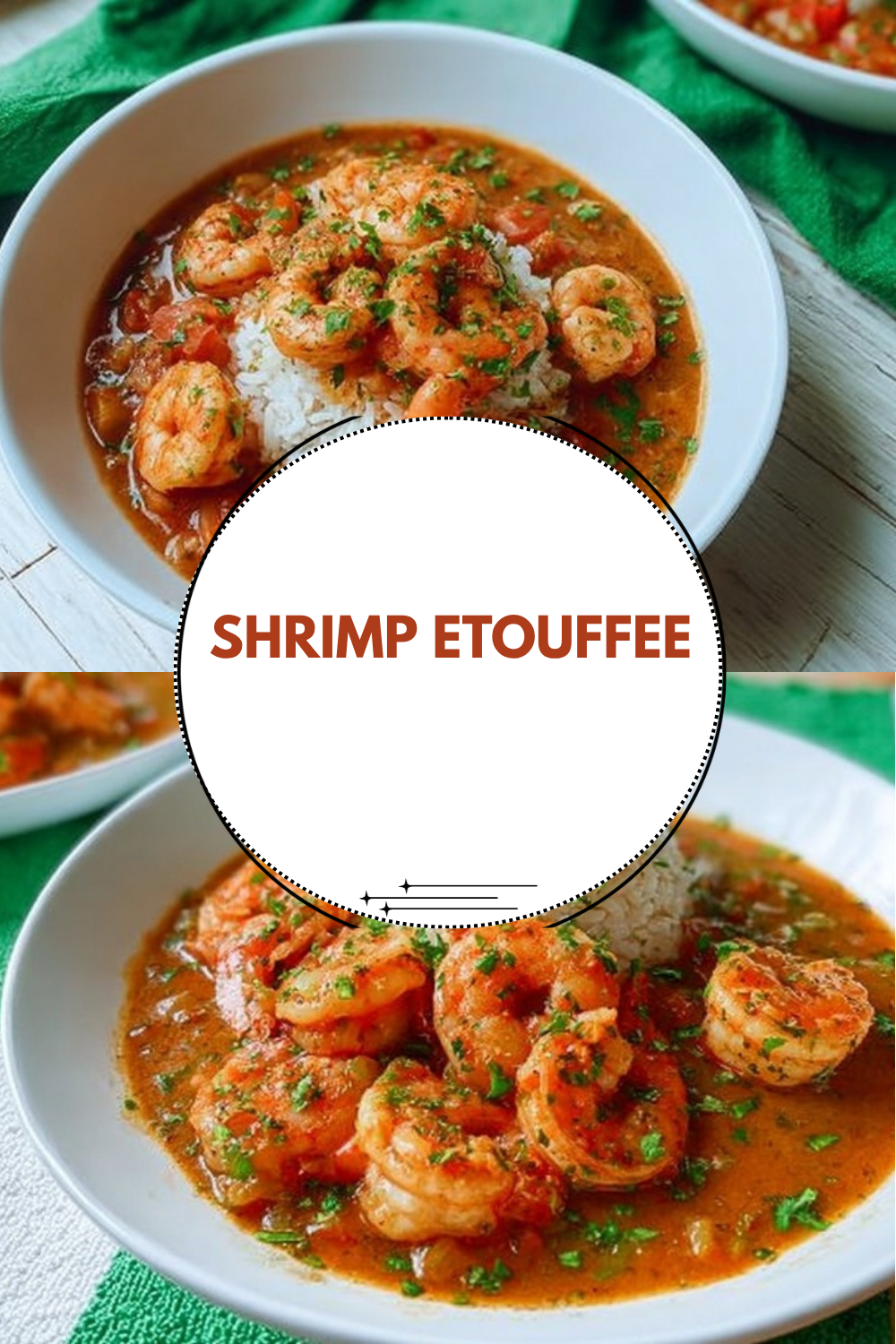
Shrimp Etouffee is one of those comfort food recipes that feels special but still fits into a busy weeknight. It has rich flavor, simple steps, and a warm Cajun style that makes it a favorite for home cooks who want something satisfying without a lot of fuss.
- Easy enough for busy nights: This shrimp etouffee comes together in about 45 minutes, with just 10 minutes of prep time. The steps are straightforward, so even if this is your first time making a Cajun shrimp dish, you can follow along with confidence.
- Full of good nutrients: Shrimp brings a big boost of protein, plus key nutrients like iron, potassium, and vitamin C. If you want a meal that feels hearty but still fits a balanced eating plan, shrimp etouffee is a smart pick.
- Flexible for different eaters: You can swap the broth, adjust the seasoning, or serve it with rice, cauliflower rice, or another base that works for your table. That makes this Cajun shrimp stew easy to adapt for different tastes and routines.
- Big, bold flavor: The dark roux, tender shrimp, tomatoes, Worcestershire sauce, and fresh herbs create a deep, savory sauce with just the right amount of spice. It tastes like something you would order in New Orleans, but it is simple enough to make at home.
Shrimp etouffee is the kind of dinner that feels cozy, comforting, and just a little bit fancy, all in one bowl.
For readers who enjoy seafood recipes, you may also like these bright lemon bars for dessert after a Cajun-style meal, or pair this dish with a simple side salad to round things out.
Jump to:
- Why You’ll Love This Shrimp Etouffee
- Essential Ingredients for Shrimp Etouffee
- Main Ingredients
- Special Dietary Options
- How to Prepare the Perfect Shrimp Etouffee: Step-by-Step Guide
- First Step: Get everything ready before you start cooking
- Second Step: Cook the shrimp just until pink
- Third Step: Make the roux
- Fourth Step: Cook the Cajun vegetable base
- Fifth Step: Add the liquid and simmer the sauce
- Sixth Step: Finish with herbs, lemon, and shrimp
- Final Step: Serve over rice and enjoy
- Dietary Substitutions to Customize Your Shrimp Etouffee
- Protein and Main Component Alternatives
- Vegetable, Sauce, and Seasoning Modifications
- Mastering Shrimp Etouffee: Advanced Tips and Variations
- Pro cooking techniques
- Flavor variations
- Presentation tips
- Make-ahead options
- How to Store Shrimp Etouffee: Best Practices
- FAQs: Frequently Asked Questions About Shrimp Etouffee
- What is shrimp etouffee?
- How do you make shrimp etouffee from scratch?
- What ingredients are in shrimp etouffee?
- How long does it take to cook shrimp etouffee?
- Can you freeze shrimp etouffee and how?
- Shrimp Etouffee
- Ingredients
- Instructions
- Last Step:
- Notes
- Nutrition
- Did you make this recipe?
Essential Ingredients for Shrimp Etouffee
This shrimp etouffee recipe serves about 4 to 6 people and uses classic Cajun ingredients for a rich, savory sauce. Here is the full ingredient list in a clear, easy-to-follow format.
Main Ingredients
- 1 1/2 pounds medium shrimp, peeled and deveined – The star of the dish. Shrimp cooks quickly and soaks up the Cajun flavor beautifully.
- 1 tablespoon Cajun seasoning – Adds the bold, smoky heat that gives shrimp etouffee its signature taste.
- 1 tablespoon vegetable oil – Used to quickly cook the shrimp before setting it aside.
- 1/3 cup butter – Helps create the roux, which gives the sauce body and rich flavor.
- 1/3 cup flour – Works with the butter to form the roux and thicken the sauce.
- 1 small onion, chopped – Brings sweetness and depth to the base of the dish.
- 1/2 green bell pepper, chopped – Adds freshness and color to the classic Cajun flavor base.
- 2 ribs celery, chopped – Part of the Cajun holy trinity and important for flavor balance.
- 1/4 teaspoon dried thyme leaves – Gives the etouffee a warm, earthy note.
- 4 cloves garlic, minced – Adds savory depth and a little extra punch.
- 3 cups shrimp stock or chicken broth – Creates the sauce and helps carry all the flavor through the dish.
- 2 cups diced fresh tomatoes – Adds brightness, body, and a gentle sweetness.
- 3 tablespoons Worcestershire sauce – Brings umami and a little tang to the sauce.
- 2 bay leaves – Infuse the etouffee as it simmers.
- Salt and black pepper to taste – Finishes the sauce and lets you adjust the flavor.
- 1/4 cup sliced green onion – Stirred in at the end for fresh flavor and color.
- 1/4 cup chopped fresh parsley – Adds a clean, herby finish.
- 1/2 lemon, juiced – Brightens the whole dish right before serving.
Special Dietary Options
- Vegan: Swap the shrimp for hearts of palm, oyster mushrooms, or chickpeas. Use vegetable broth instead of shrimp stock or chicken broth, and replace butter with vegan butter.
- Gluten-free: Use a certified gluten-free flour blend for the roux. Double-check that your Cajun seasoning and Worcestershire sauce are gluten-free.
- Low-calorie: Use less butter, choose a light broth, and serve the shrimp etouffee over cauliflower rice instead of white rice.
How to Prepare the Perfect Shrimp Etouffee: Step-by-Step Guide
First Step: Get everything ready before you start cooking
Before the pan heats up, chop the onion, bell pepper, celery, garlic, green onion, and parsley. Measure out the Cajun seasoning, flour, butter, broth, tomatoes, Worcestershire sauce, thyme, and bay leaves so they are ready to go. This recipe moves at a steady pace once you start the roux, so having everything nearby makes the cooking much easier.
Pat the shrimp dry and toss them with 1 tablespoon Cajun seasoning. This small step helps the shrimp pick up flavor fast and gives you better color in the pan. If you are serving children or anyone who prefers milder food, you can use a lighter hand with the seasoning and add a little more at the table.
If you are making rice, start it now so it finishes around the same time as the shrimp etouffee. That way, everything is hot and ready together. The total recipe time is about 45 minutes, so timing matters.
Second Step: Cook the shrimp just until pink
Set a large skillet or Dutch oven over medium heat and add 1 tablespoon vegetable oil. Once the oil is hot, add the shrimp in a single layer. Cook them just until they turn pink, which usually takes only 1 to 2 minutes per side, depending on size. Do not cook them all the way through at this stage.
As soon as the shrimp are just pink, transfer them to a plate and set them aside. This is one of the most important shrimp etouffee tips because shrimp can turn rubbery if they stay in the pan too long. You will add them back at the end, so they still taste tender and juicy.
For the best texture, pull the shrimp off the heat as soon as they curl into a loose C shape.
If you want to build even more seafood flavor, you can use homemade shrimp stock made from the shells simmered in broth. That adds a deeper Cajun-style taste without much extra work.
Third Step: Make the roux
In the same pan, melt 1/3 cup butter over medium heat. Stir in 1/3 cup flour and keep whisking or stirring constantly. Let the roux cook until it reaches a peanut butter color. This usually takes several minutes, and it is worth the patience because the roux gives shrimp etouffee its signature flavor and thickness.
Watch the color closely. If the roux gets too dark too fast, the flavor can turn bitter. If it looks pale, the sauce may taste flat. A peanut butter shade is the sweet spot for this recipe. It adds a warm, toasted flavor that makes the final dish rich and satisfying.
Once the roux reaches that color, move right to the vegetables so the mixture does not keep browning in the pan.
Fourth Step: Cook the Cajun vegetable base
Add the chopped onion, green bell pepper, celery, dried thyme, and minced garlic to the roux. Stir well so the vegetables get coated in the buttery flour mixture. Cook for several minutes until the vegetables soften and smell fragrant.
This mix is the Cajun holy trinity plus garlic, and it gives shrimp etouffee a lot of its classic identity. The onion adds sweetness, the bell pepper brings freshness, the celery gives a savory backbone, and the garlic rounds everything out. As the vegetables soften, they also help loosen the roux a bit and build the base for the sauce.
If you like a little more heat, this is a good time to add a pinch of cayenne or a few extra shakes of Cajun seasoning. If you are cooking for a mixed crowd, keep the base moderate and let people add spice later.
Fifth Step: Add the liquid and simmer the sauce
Slowly stir in 3 cups shrimp stock or chicken broth. Add it a little at a time while stirring so the sauce stays smooth. Then mix in the diced fresh tomatoes, Worcestershire sauce, and bay leaves. Bring the mixture to a boil, then lower the heat and let it simmer for about 20 minutes.
During simmering, the sauce thickens and the flavors blend together. Stir occasionally so nothing sticks to the bottom of the pan. Taste after the simmer and season with salt and black pepper to taste.
The tomatoes add a gentle brightness that works well with the smoky Cajun flavor. Worcestershire sauce brings a little tang and umami, which helps the whole dish taste richer. If the sauce gets too thick, add a splash more broth. If it seems too thin, let it cook a few minutes longer.
Sixth Step: Finish with herbs, lemon, and shrimp
Stir in the sliced green onion, chopped fresh parsley, and lemon juice. Then add the reserved shrimp back into the pan. Heat everything through gently, just until the shrimp are warm. This should only take a minute or two.
Do not let the shrimp boil for long at this stage. The goal is to warm them without overcooking. Fresh green onion and parsley work best at the end because they stay bright and lively, which gives the shrimp etouffee a fresh finish.
The lemon juice is a small step, but it makes a big difference. It wakes up the sauce and balances the richness from the butter and roux. Once everything is hot, the etouffee is ready to serve.
Final Step: Serve over rice and enjoy
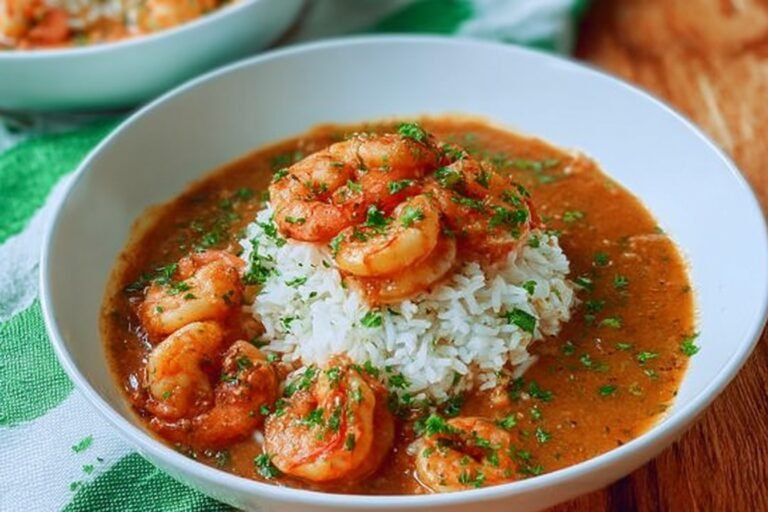
Spoon the shrimp etouffee over warm cooked rice and serve right away. Long-grain white rice is the classic choice, but you can also use brown rice or cauliflower rice if that fits your meal plan. The sauce should settle into the rice and make every bite rich and flavorful.
For a fun meal, serve it with crusty bread so you can scoop up any extra sauce. If you are planning a full Cajun dinner, a crisp green salad or roasted vegetables would fit nicely on the side. For more dinner ideas, you might also enjoy browsing this comforting apple cobbler recipe for a sweet finish after a hearty meal.
| Recipe Detail | Information |
|---|---|
| Prep Time | 10 minutes |
| Cook Time | 35 minutes |
| Total Time | 45 minutes |
| Servings | 4 to 6 |

Dietary Substitutions to Customize Your Shrimp Etouffee
Protein and Main Component Alternatives
If you want a different protein, shrimp etouffee can still work beautifully. Swap the shrimp for crawfish if you want a more traditional Louisiana feel. Crab meat is another good choice, especially if you want a sweeter seafood flavor. For a poultry version, small pieces of cooked chicken can be stirred in at the end with the same sauce.
If you need a meatless option, use mushrooms, tofu, or chickpeas. Mushrooms are especially nice because they bring a savory taste that works well with the roux and Cajun spices. Keep the cooking time short for delicate substitutes so they stay tender.
Vegetable, Sauce, and Seasoning Modifications
You can adjust the vegetables based on what you have in the fridge. Red bell pepper can stand in for green bell pepper if that is what you have. If you do not have fresh tomatoes, canned diced tomatoes work in a pinch. For a lighter sauce, use low-sodium broth and reduce the butter slightly.
Want more spice? Add cayenne pepper or a few dashes of hot sauce. Want a milder bowl? Use less Cajun seasoning and lean on thyme, parsley, and lemon for flavor. If you are avoiding gluten, use gluten-free flour for the roux. If you want more rice ideas for pairing, you can also look at this guide to Cajun and Creole cooking essentials for helpful rice tips and serving inspiration.
Mastering Shrimp Etouffee: Advanced Tips and Variations
Pro cooking techniques
The biggest key to great shrimp etouffee is a steady roux. Stir it often and keep the heat at medium so it cooks evenly. If the roux starts to darken too quickly, lower the heat right away. Once you add the vegetables, keep stirring so nothing sticks.
Another useful trick is to warm the broth before adding it. This helps the roux blend more smoothly and cuts down on lumps. Also, take the shrimp out of the pan early. They will finish cooking when you add them back at the end.
Flavor variations
If you want a deeper Cajun flavor, add a touch more thyme or a little cayenne. For a brighter taste, add extra lemon juice right before serving. Some cooks like a small splash of hot sauce or a pinch of smoked paprika for more depth.
Fresh herbs matter a lot in shrimp etouffee, so do not skip the green onion and parsley. They make the sauce taste fresher and help balance the richness from the butter and roux. If you want a thicker dish, let it simmer a few extra minutes before adding the shrimp back.
Presentation tips
Spoon the rice into shallow bowls, then ladle the shrimp etouffee on top so the sauce drapes over the rice. Sprinkle extra parsley and green onion over the top for color. A lemon wedge on the side adds a nice touch and lets each person add a little more brightness if they want it.
Make-ahead options
You can chop the vegetables ahead of time and store them in the fridge for a day. You can also make the roux and sauce base earlier, then rewarm it and add the shrimp just before serving. That makes this dish a good fit for busy weeknights, family dinners, or meal prep.
How to Store Shrimp Etouffee: Best Practices
Store leftover shrimp etouffee in an airtight container in the refrigerator for up to 3 days. Keep the rice separate if possible, since rice and sauce store better on their own. This helps the texture stay better when you reheat it.
For freezing, cool the etouffee fully, then portion it into freezer-safe containers or bags. Remove as much air as possible and label with the date. It can be frozen for up to 3 months, but it is best frozen without the rice. Cook fresh rice when you are ready to serve it again.
To reheat, warm the shrimp etouffee gently on the stove over low heat. Add a splash of broth if the sauce seems too thick. Try not to use high heat, since that can make the shrimp tough. If you thawed it from frozen, let it defrost in the fridge overnight first.
For meal prep, you can make the sauce base ahead of time and add the shrimp only when you are ready to eat. That way, the shrimp stays tender and the final dish tastes freshly made.
FAQs: Frequently Asked Questions About Shrimp Etouffee
What is shrimp etouffee?
Shrimp etouffee is a classic Cajun dish from Louisiana, meaning “smothered shrimp” in French. It features tender shrimp cooked in a rich, flavorful sauce made from a dark roux, the holy trinity of onions, celery, and bell peppers, plus garlic, shrimp stock, and Cajun spices like cayenne and thyme. The result is a thick, savory gravy packed with layers of smoky, spicy, and earthy flavors. Traditionally served over steamed white rice, it’s a comforting one-pot meal. While variations exist—some add tomatoes or use crawfish—this shrimp version stays true to New Orleans roots. Prep and cook time total about 45-60 minutes, making it accessible for home cooks despite the roux step. Pair it with French bread to sop up the sauce for an authentic experience. (98 words)
How do you make shrimp etouffee from scratch?
Start with a roux: heat ½ cup vegetable oil in a Dutch oven over medium heat, whisk in ½ cup flour, and stir constantly for 20-30 minutes until it’s a deep chocolate brown. Add chopped onion, celery, bell pepper, and garlic; cook until softened, about 5 minutes. Stir in 4 cups shrimp stock, 2 lbs peeled shrimp, 2 bay leaves, 1 tsp thyme, ½ tsp cayenne, salt, and pepper. Simmer 15-20 minutes until shrimp curl and sauce thickens. Remove bay leaves, stir in 2 tbsp chopped green onions and parsley. Serve over rice. Pro tip: Use fresh Gulf shrimp for best taste, and low-simmer the roux to avoid burning. Total time: 50 minutes. Yields 6 servings. (112 words)
What ingredients are in shrimp etouffee?
Key ingredients include ½ cup vegetable oil and flour for the roux, 1 large onion, 1 celery stalk, 1 green bell pepper (all diced), 3 garlic cloves (minced), 4 cups shrimp stock or seafood broth, 2 lbs medium shrimp (peeled and deveined), 2 bay leaves, 1 tsp dried thyme, ½ tsp cayenne pepper, salt, black pepper, 2 tbsp green onions, and 2 tbsp fresh parsley. Optional: a splash of Worcestershire or hot sauce for extra kick. No tomatoes in traditional recipes—keep it simple for authentic flavor. Measure stock gradually to control thickness. This list serves 6; scale as needed. Fresh herbs elevate it—chop just before adding. (104 words)
How long does it take to cook shrimp etouffee?
Shrimp etouffee takes 45-60 minutes total: 20-30 minutes for the roux (the longest step—patience prevents lumps or bitterness), 5 minutes to sauté the vegetables, and 15-20 minutes to simmer the shrimp and sauce. Prep veggies and shrimp ahead to save 10 minutes. Use medium heat throughout for even cooking; rushing the roux leads to raw flour taste. Test doneness when shrimp form a “C” shape (overcooked if “O”). Let it rest 5 minutes off heat for flavors to meld. Make-ahead tip: Prepare roux and veggies day before, then finish with shrimp for weeknight ease. Freezes well up to 3 months. (102 words)
Can you freeze shrimp etouffee and how?
Yes, shrimp etouffee freezes well for up to 3 months, preserving its flavor and texture if done right. Cool completely, then portion into freezer-safe bags or containers, removing excess air to prevent ice crystals. Label with date. Thaw overnight in the fridge, then reheat gently on stovetop over low heat with a splash of stock to loosen the sauce—avoid microwave to keep shrimp tender. Do not refreeze after thawing. Best frozen without rice; cook fresh rice when reheating. Pro tip: Shrimp release moisture upon freezing, so sauce may thin slightly—simmer 5 minutes to thicken. Perfect for meal prep or leftovers. (98 words)
Shrimp Etouffee
🦐 Indulge in classic Cajun Shrimp Etouffee, a high-protein delight with tender shrimp in a rich, spicy roux for ultimate comfort!
🍲 Ready in 45 minutes, it’s an authentic Louisiana staple perfect for family dinners bursting with bold flavors!
- Total Time: 45 minutes
- Yield: 4-6 servings
Ingredients
– 1 1/2 pounds medium shrimp, peeled and deveined
– 1 tablespoon Cajun seasoning
– 1 tablespoon vegetable oil
– 1/3 cup butter
– 1/3 cup flour
– 1 small onion, chopped
– 1/2 green bell pepper, chopped
– 2 ribs celery, chopped
– 1/4 teaspoon dried thyme leaves
– 4 cloves garlic, minced
– 3 cups shrimp stock or chicken broth
– 2 cups diced fresh tomatoes
– 3 tablespoons Worcestershire sauce
– 2 bay leaves
– Salt and black pepper to taste
– 1/4 cup sliced green onion
– 1/4 cup chopped fresh parsley
– 1/2 lemon, juiced
Instructions
1-First Step: Get everything ready before you start cooking Before the pan heats up, chop the onion, bell pepper, celery, garlic, green onion, and parsley. Measure out the Cajun seasoning, flour, butter, broth, tomatoes, Worcestershire sauce, thyme, and bay leaves so they are ready to go. This recipe moves at a steady pace once you start the roux, so having everything nearby makes the cooking much easier. Pat the shrimp dry and toss them with 1 tablespoon Cajun seasoning. This small step helps the shrimp pick up flavor fast and gives you better color in the pan. If you are serving children or anyone who prefers milder food, you can use a lighter hand with the seasoning and add a little more at the table. If you are making rice, start it now so it finishes around the same time as the shrimp etouffee. That way, everything is hot and ready together. The total recipe time is about 45 minutes, so timing matters.
2-Second Step: Cook the shrimp just until pink Set a large skillet or Dutch oven over medium heat and add 1 tablespoon vegetable oil. Once the oil is hot, add the shrimp in a single layer. Cook them just until they turn pink, which usually takes only 1 to 2 minutes per side, depending on size. Do not cook them all the way through at this stage. As soon as the shrimp are just pink, transfer them to a plate and set them aside. This is one of the most important shrimp etouffee tips because shrimp can turn rubbery if they stay in the pan too long. You will add them back at the end, so they still taste tender and juicy. For the best texture, pull the shrimp off the heat as soon as they curl into a loose C shape. If you want to build even more seafood flavor, you can use homemade shrimp stock made from the shells simmered in broth. That adds a deeper Cajun-style taste without much extra work.
3-Third Step: Make the roux In the same pan, melt 1/3 cup butter over medium heat. Stir in 1/3 cup flour and keep whisking or stirring constantly. Let the roux cook until it reaches a peanut butter color. This usually takes several minutes, and it is worth the patience because the roux gives shrimp etouffee its signature flavor and thickness. Watch the color closely. If the roux gets too dark too fast, the flavor can turn bitter. If it looks pale, the sauce may taste flat. A peanut butter shade is the sweet spot for this recipe. It adds a warm, toasted flavor that makes the final dish rich and satisfying. Once the roux reaches that color, move right to the vegetables so the mixture does not keep browning in the pan.
4-Fourth Step: Cook the Cajun vegetable base Add the chopped onion, green bell pepper, celery, dried thyme, and minced garlic to the roux. Stir well so the vegetables get coated in the buttery flour mixture. Cook for several minutes until the vegetables soften and smell fragrant. This mix is the Cajun holy trinity plus garlic, and it gives shrimp etouffee a lot of its classic identity. The onion adds sweetness, the bell pepper brings freshness, the celery gives a savory backbone, and the garlic rounds everything out. As the vegetables soften, they also help loosen the roux a bit and build the base for the sauce. If you like a little more heat, this is a good time to add a pinch of cayenne or a few extra shakes of Cajun seasoning. If you are cooking for a mixed crowd, keep the base moderate and let people add spice later.
5-Fifth Step: Add the liquid and simmer the sauce Slowly stir in 3 cups shrimp stock or chicken broth. Add it a little at a time while stirring so the sauce stays smooth. Then mix in the diced fresh tomatoes, Worcestershire sauce, and bay leaves. Bring the mixture to a boil, then lower the heat and let it simmer for about 20 minutes. During simmering, the sauce thickens and the flavors blend together. Stir occasionally so nothing sticks to the bottom of the pan. Taste after the simmer and season with salt and black pepper to taste. The tomatoes add a gentle brightness that works well with the smoky Cajun flavor. Worcestershire sauce brings a little tang and umami, which helps the whole dish taste richer. If the sauce gets too thick, add a splash more broth. If it seems too thin, let it cook a few minutes longer.
6-Sixth Step: Finish with herbs, lemon, and shrimp Stir in the sliced green onion, chopped fresh parsley, and lemon juice. Then add the reserved shrimp back into the pan. Heat everything through gently, just until the shrimp are warm. This should only take a minute or two. Do not let the shrimp boil for long at this stage. The goal is to warm them without overcooking. Fresh green onion and parsley work best at the end because they stay bright and lively, which gives the shrimp etouffee a fresh finish. The lemon juice is a small step, but it makes a big difference. It wakes up the sauce and balances the richness from the butter and roux. Once everything is hot, the etouffee is ready to serve.
7-Final Step: Serve over rice and enjoy Spoon the shrimp etouffee over warm cooked rice and serve right away. Long-grain white rice is the classic choice, but you can also use brown rice or cauliflower rice if that fits your meal plan. The sauce should settle into the rice and make every bite rich and flavorful. For a fun meal, serve it with crusty bread so you can scoop up any extra sauce. If you are planning a full Cajun dinner, a crisp green salad or roasted vegetables would fit nicely on the side. For more dinner ideas, you might also enjoy browsing this comforting apple cobbler recipe for a sweet finish after a hearty meal.
Last Step:
Please leave a rating and comment letting us know how you liked this recipe! This helps our business to thrive and continue providing free, high-quality recipes for you.Notes
🔥 Cook the roux to peanut butter color before adding vegetables to perfect the flavor.
🦐 Do not overcook shrimp—add back at the end to keep them tender.
🌿 Add fresh green onion and parsley at the end for maximum freshness and flavor.
- Prep Time: 10 minutes
- Cook Time: 35 minutes
- Category: Main Course
- Method: Stovetop
- Cuisine: Cajun
Nutrition
- Serving Size: 1 serving
- Calories: 430
- Sugar: 6g
- Sodium: 1098mg
- Fat: 21g
- Saturated Fat: 11g
- Unsaturated Fat: 9g
- Trans Fat: 1g
- Carbohydrates: 21g
- Fiber: 3g
- Protein: 41g
- Cholesterol: 315mg