
Why You’ll Love This Balsamic Lemon Chicken
If you want a dinner that tastes like you spent way more time in the kitchen than you really did, Balsamic Lemon Chicken is a great pick. It brings together tangy lemon, rich balsamic vinegar, garlic, and herbs for a juicy chicken dish that works for busy weeknights, simple meal prep, or casual dinner guests.
- Easy preparation: The marinade comes together fast in a blender or food processor, then the chicken cooks in about 10 minutes. That makes it a smart choice for home cooks who need dinner on the table without stress.
- Good for balanced meals: Chicken breast or chicken tenderloins give you plenty of protein, while the lemon and herbs add bright flavor without needing a heavy sauce.
- Flexible cooking methods: You can grill it, pan-fry it, or cook it on a grill pan. That means it works in every season, even if you do not have an outdoor grill.
- Big flavor with simple ingredients: The mix of balsamic vinegar, fresh lemon juice, garlic, oregano, basil, and thyme gives this dish a bold, fresh taste that feels special but stays easy.
Tip: This is the kind of recipe that fits almost any schedule. Marinate it ahead, cook it fast, and dinner is done.
For more light and bright meal ideas, you might also enjoy these lemon bars for dessert or a refreshing finish to your meal.
Jump to:
- Why You’ll Love This Balsamic Lemon Chicken
- Essential Ingredients for Balsamic Lemon Chicken
- Main ingredients
- Special dietary options
- Quick ingredient notes
- How to Prepare the Perfect Balsamic Lemon Chicken: Step-by-Step Guide
- First step: mix the marinade
- Second step: coat the chicken
- Third step: let it marinate
- Fourth step: preheat your cooking surface
- Fifth step: cook the chicken
- Sixth step: rest and serve
- Timing at a glance
- Protein and main component alternatives
- Chicken swaps
- Non-chicken options
- Vegetable, sauce, and seasoning modifications
- Vegetable ideas
- Sauce and seasoning swaps
- Mastering Balsamic Lemon Chicken: Advanced Tips and Variations
- Pro cooking techniques
- Flavor variations
- Presentation tips
- Make-ahead options
- How to Store Balsamic Lemon Chicken: Best Practices
- Refrigeration
- Freezing
- Reheating
- Meal prep considerations
- FAQs: Frequently Asked Questions About Balsamic Lemon Chicken
- What is balsamic lemon chicken?
- What ingredients do I need for balsamic lemon chicken?
- How do you make balsamic lemon chicken step by step?
- Can I cook balsamic lemon chicken in the oven or air fryer?
- Is balsamic lemon chicken healthy and how do I store it?
- Balsamic Lemon Chicken
- Ingredients
- Instructions
- Last Step:
- Notes
- Nutrition
- Did you make this recipe?
Essential Ingredients for Balsamic Lemon Chicken
Here is everything you need to make this recipe exactly as written. Each ingredient plays a clear role in the marinade, seasoning, or cooking process.
Main ingredients
- 2 pounds chicken breast or chicken tenderloins – The main protein. Thinly sliced chicken breast cooks quickly and soaks up the marinade well.
- 1/3 cup extra virgin olive oil – Helps carry the flavors of the marinade and keeps the chicken moist.
- 6 to 8 cloves garlic – Adds strong, savory depth and a fresh homemade taste.
- 2 tablespoons balsamic vinegar – Brings a sweet-tangy flavor that gives the chicken its signature taste.
- 2 tablespoons fresh lemon juice – Adds brightness and balances the richness of the oil and balsamic.
- 2 teaspoons oregano – Gives the marinade a classic herby flavor.
- 2 teaspoons salt – Helps season the chicken all the way through.
- 1 teaspoon basil – Adds a mild, sweet herb note.
- 1 teaspoon thyme – Brings an earthy, savory touch.
- 1 teaspoon sugar – Softens the sharpness of the vinegar and lemon.
- 1 teaspoon onion powder, optional – Adds extra savory flavor if you want a little more depth.
- About 1 tablespoon vegetable oil – Used for grilling or pan-frying so the chicken does not stick.
Special dietary options
- Vegan: Swap the chicken for firm tofu, tempeh, or thick cauliflower steaks. Use the same marinade and cook until browned and heated through.
- Gluten-free: This recipe is naturally gluten-free as written, as long as your balsamic vinegar and seasonings are certified gluten-free.
- Low-calorie: Use chicken tenderloins or skinless chicken breast, and reduce the oil slightly if needed. You can also use balsamic glaze sparingly for stronger flavor with less marinade.
Quick ingredient notes
| Ingredient | What it does |
|---|---|
| Olive oil | Helps the marinade coat the chicken evenly |
| Garlic and herbs | Build savory flavor |
| Balsamic vinegar and lemon juice | Create the tangy, fresh finish |
| Sugar | Balances acidity |
| Vegetable oil | Prevents sticking during cooking |
How to Prepare the Perfect Balsamic Lemon Chicken: Step-by-Step Guide
This recipe is simple, but the little details matter. If you follow the steps below, you will get juicy chicken with a flavorful crust and a bright, savory finish.
First step: mix the marinade
Add 1/3 cup extra virgin olive oil, 6 to 8 cloves garlic, 2 tablespoons balsamic vinegar, 2 tablespoons fresh lemon juice, 2 teaspoons oregano, 2 teaspoons salt, 1 teaspoon basil, 1 teaspoon thyme, 1 teaspoon sugar, and 1 teaspoon onion powder, optional, to a food processor or blender. Blend until smooth.
If you do not have a blender, mince the garlic as finely as you can and whisk everything together in a bowl. The marinade will be a little rustic, but it still works beautifully.
Second step: coat the chicken
Place 2 pounds chicken breast or chicken tenderloins in a large bowl, zip-top bag, or shallow dish. Pour the marinade over the chicken and coat every piece evenly. Turn the chicken a few times so the seasonings get into every nook and cranny.
Best flavor tip: Let the chicken sit in the marinade for at least 3 hours. That gives the garlic, lemon, balsamic, and herbs enough time to really sink in.
Third step: let it marinate
Cover the chicken and refrigerate it for at least 3 hours. If you have more time, you can marinate it a bit longer, but do not go too far beyond that with the lemon juice, since very long marinating can change the texture of the chicken.
While it marinates, you can prep your side dishes. This recipe goes especially well with rice, roasted potatoes, salad, or steamed vegetables.
Fourth step: preheat your cooking surface
When you are ready to cook, preheat your grill, grill pan, or skillet over medium to medium-high heat. Add about 1 tablespoon vegetable oil and let it heat until it shimmers. This helps the chicken sear instead of sticking.
If you are using a grill, make sure the grates are clean and lightly oiled. That small step makes a big difference when you want nice grill marks.
Fifth step: cook the chicken
Place the marinated chicken on the hot grill, grill pan, or skillet. Cook for 3 to 4 minutes per side. Try to let the first side sit long enough to build color before flipping. That is how you get those beautiful marks and a better crust.
Use a thermometer to check doneness. The chicken is ready when the internal temperature reaches 165 degrees Fahrenheit. If the pieces are thicker, they may need a little longer. If they are thin, they may cook even faster.
Sixth step: rest and serve
Once the chicken reaches temperature, remove it from the heat and let it rest for a couple of minutes. This helps the juices settle so the chicken stays tender when sliced.
Serve it warm with your favorite sides. Spoon any juices from the pan or grill over the top for extra flavor. For a full meal, try it with a crisp salad or something sweet and refreshing like watermelon lemonade slushies on the side.
Timing at a glance
| Step | Time |
|---|---|
| Prep | 10 minutes |
| Cook | 10 minutes |
| Marinate | 3 hours |
| Total active time | 20 minutes, excluding marinate time |
Protein and main component alternatives
If you want to switch up the protein, you have a lot of good options. This marinade is flexible, so it can work with different cuts and even meat-free choices.
Chicken swaps
Chicken thighs: Boneless, skinless thighs are juicy and forgiving. They take a little longer to cook than chicken breasts, but they hold flavor very well.
Chicken cutlets: These are a great choice if you want fast cooking and even browning. They are especially helpful for busy weeknights.
Chicken tenders: Great for kids or quick lunches. They cook fast and are easy to slice or serve whole.
Non-chicken options
Firm tofu: Press it first so it can soak up the marinade better. Grill or pan-fry until golden.
Tempeh: Its nutty flavor works well with the balsamic and lemon combination.
Pork tenderloin: If you are not making chicken, pork tenderloin can work nicely with this same flavor profile.
Salmon: For a seafood version, reduce marinating time and cook gently so the fish stays tender.
If you are cooking for a mixed crowd, chicken breasts and chicken tenderloins are the safest crowd-pleasers because they are mild, familiar, and easy to portion.
Vegetable, sauce, and seasoning modifications
You can tweak the flavor of this dish in a lot of simple ways depending on what you have in the kitchen. The basic marinade is already strong, but small changes can give it a fresh twist.
Vegetable ideas
- Zucchini: Grill slices alongside the chicken for a fast, juicy side.
- Asparagus: A natural match for lemon and garlic.
- Bell peppers: Add color and sweetness.
- Red onions: Their mild sharpness works well with balsamic.
Sauce and seasoning swaps
- Balsamic glaze: If you want to use balsamic glaze instead of 2 tablespoons balsamic vinegar, you can do that and leave out the 1 teaspoon sugar.
- Fresh rosemary: Use it in place of thyme for a woodsy, bold taste.
- Italian seasoning: A simple backup if you do not have oregano, basil, and thyme separately.
- Red pepper flakes: Add a little heat without changing the basic flavor too much.
For a sweet finish on the table, pair this savory chicken with a fruity treat like white chocolate raspberry trifle.
Mastering Balsamic Lemon Chicken: Advanced Tips and Variations
Once you have made this recipe once, you may want to play around with the texture, flavor, and presentation. A few small habits can make a big difference.
Pro cooking techniques
- Use thinly sliced chicken breast: It cooks faster and stays more even on the grill or in the skillet.
- Let it sit before flipping: Give the chicken time to sear so you get those grill marks and better browning.
- Watch the thermometer: Pull the chicken once it reaches 165 degrees Fahrenheit. That is the sweet spot for juicy chicken.
- Do not crowd the pan: Leave space between pieces so they brown instead of steaming.
Flavor variations
If you want a slightly different twist, try a few easy changes. Add more lemon juice for a sharper finish, or use a bit more balsamic for deeper sweetness. You can also swap in fresh herbs if you have them, like chopped parsley at the end or rosemary in place of thyme.
For a richer version, some cooks like to drizzle a little balsamic glaze over the finished chicken. That gives a glossy look and a stronger sweet-tart taste.
Presentation tips
Slice the chicken against the grain and fan it out on a platter. Spoon any pan juices over the top, then finish with fresh herbs or thin lemon slices. A bright green side dish makes the chicken stand out even more.
Make-ahead options
You can mix the marinade the night before and keep it chilled. You can also marinate the chicken in the morning, then cook it later in the day. That makes this recipe very handy for working professionals, students, and busy parents.
Leftover chicken also works well in wraps or grain bowls, especially if you want a quick lunch the next day. If you like easy meal ideas, you may also want to bookmark this apple crisp recipe for later.
How to Store Balsamic Lemon Chicken: Best Practices
Store leftovers the right way so the chicken stays tasty and safe to eat. This recipe is great for meal prep because it reheats well and can be used in different meals.
Refrigeration
Let the chicken cool, then place it in an airtight container. Store it in the refrigerator for up to 3 to 4 days. If you keep any extra juices, add them to the container so the meat stays moist.
Freezing
For longer storage, freeze cooked chicken in freezer-safe containers or bags. Try to remove as much air as possible before sealing. It will keep well for about 2 months. Label the container with the date so you can track it easily.
Reheating
Warm leftovers gently on the stovetop over low heat or in the microwave at short intervals. Add a splash of water if needed to loosen the sauce and keep the chicken from drying out. Reheat only until hot, not until piping hot for a long time.
Meal prep considerations
Slice the chicken before storing it if you plan to use it in salads, sandwiches, or pasta. That makes lunch assembly much faster later in the week. The chicken also works well for packed lunches because it keeps its flavor after chilling.

FAQs: Frequently Asked Questions About Balsamic Lemon Chicken
What is balsamic lemon chicken?
Balsamic lemon chicken is a quick, flavorful dish featuring tender chicken coated in a glossy glaze made from balsamic vinegar, fresh lemon juice, garlic, and a touch of honey or brown sugar for balance. The tangy acidity from the lemon cuts through the rich, sweet balsamic, creating a zesty-sweet sauce that caramelizes beautifully on the chicken. It’s popular for weeknight dinners because it cooks in under 30 minutes on the stovetop or in the oven. Serve it with roasted vegetables, rice, or a green salad to soak up the sauce. This recipe highlights simple pantry staples and delivers restaurant-quality taste at home, with about 300 calories per serving when using skinless thighs.
What ingredients do I need for balsamic lemon chicken?
For 4 servings, gather: 4 boneless, skinless chicken thighs or breasts (about 1.5 lbs), 1/4 cup balsamic vinegar, juice and zest of 1 lemon, 2 tbsp olive oil, 3 minced garlic cloves, 1 tbsp honey, salt, pepper, and optional fresh thyme or rosemary. These create the signature tangy-sweet glaze. Prep tip: pat chicken dry for better browning. All ingredients are easy to find; substitute maple syrup for honey if needed. Total cost is around $10-15, making it budget-friendly. Measure everything ahead to streamline cooking—total active time is just 10 minutes.
How do you make balsamic lemon chicken step by step?
1. Season chicken with salt and pepper. Heat 1 tbsp oil in a skillet over medium-high; sear chicken 4-5 minutes per side until golden. Remove. 2. In the same pan, sauté garlic 30 seconds. Add balsamic, lemon juice/zest, honey, and 1/4 cup water; simmer 3 minutes to thicken. 3. Return chicken to pan, spoon sauce over, cover, and cook 8-10 minutes until internal temp hits 165°F. Rest 2 minutes before serving. This one-pan method yields juicy results in 25 minutes total. Pro tip: Use a meat thermometer for perfection. Pairs well with asparagus or quinoa for a complete meal.
Can I cook balsamic lemon chicken in the oven or air fryer?
Yes, adapt for oven or air fryer. Oven: Preheat to 400°F, place chicken on a lined sheet, brush with half the glaze, bake 20-25 minutes, then broil 2 minutes with remaining glaze for caramelization. Air fryer: 375°F for 12-15 minutes, flip halfway, glaze at the end. Both methods keep chicken moist (under 30 minutes total). Oven version suits meal prepping for 6 servings; air fryer is oil-free for fewer calories. Check doneness at 165°F. These tweaks make it versatile for busy days—store leftovers in the fridge up to 3 days or freeze for 1 month.
Is balsamic lemon chicken healthy and how do I store it?
Absolutely—it’s high in protein (30g per serving), low-carb, and packed with vitamin C from lemon plus antioxidants from balsamic. Use skinless chicken for 250-350 calories; skip honey to cut sugar. A USDA study notes balsamic aids digestion due to polyphenols. Store in an airtight container in the fridge for 3-4 days; reheat gently on stovetop with a splash of water to revive sauce. Freeze portions up to 2 months—thaw overnight. For meal prep, it reheats without drying out. Address concerns like acidity by pairing with dairy-free sides if lactose-sensitive. Nutrition boosts make it ideal for keto, paleo, or weight loss plans.
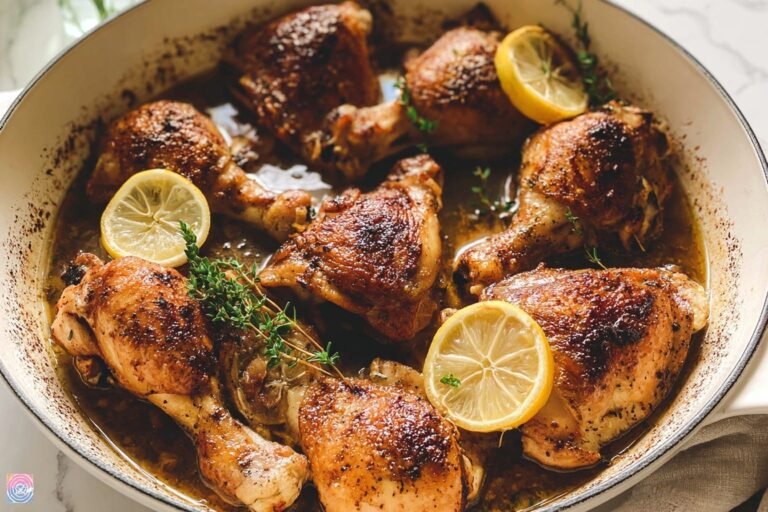
Balsamic Lemon Chicken
🍋 Zesty lemon and rich balsamic vinegar create a flavorful marinade that tenderizes juicy chicken for a healthy, delicious meal!
🐔 Versatile grilling or pan-frying method – quick weeknight dinner packed with protein and bold Mediterranean-inspired taste.
- Total Time: 3 hours 20 minutes
- Yield: 4 servings
Ingredients
– 2 pounds chicken breast or chicken tenderloins for main protein
– 1/3 cup extra virgin olive oil for carrying flavors and keeping moist
– 6 to 8 cloves garlic for savory depth
– 2 tablespoons balsamic vinegar for sweet-tangy flavor
– 2 tablespoons fresh lemon juice for brightness and balance
– 2 teaspoons oregano for classic herby flavor
– 2 teaspoons salt for seasoning
– 1 teaspoon basil for mild sweet herb note
– 1 teaspoon thyme for earthy savory touch
– 1 teaspoon sugar for softening sharpness
– 1 teaspoon onion powder, optional for extra savory flavor
– About 1 tablespoon vegetable oil for preventing sticking
Instructions
1-First step: mix the marinade Add 1/3 cup extra virgin olive oil, 6 to 8 cloves garlic, 2 tablespoons balsamic vinegar, 2 tablespoons fresh lemon juice, 2 teaspoons oregano, 2 teaspoons salt, 1 teaspoon basil, 1 teaspoon thyme, 1 teaspoon sugar, and 1 teaspoon onion powder, optional, to a food processor or blender. Blend until smooth. If you do not have a blender, mince the garlic as finely as you can and whisk everything together in a bowl. The marinade will be a little rustic, but it still works beautifully.
2-Second step: coat the chicken Place 2 pounds chicken breast or chicken tenderloins in a large bowl, zip-top bag, or shallow dish. Pour the marinade over the chicken and coat every piece evenly. Turn the chicken a few times so the seasonings get into every nook and cranny.
3-Third step: let it marinate Cover the chicken and refrigerate it for at least 3 hours. If you have more time, you can marinate it a bit longer, but do not go too far beyond that with the lemon juice, since very long marinating can change the texture of the chicken.
4-Fourth step: preheat your cooking surface When you are ready to cook, preheat your grill, grill pan, or skillet over medium to medium-high heat. Add about 1 tablespoon vegetable oil and let it heat until it shimmers. This helps the chicken sear instead of sticking. If you are using a grill, make sure the grates are clean and lightly oiled. That small step makes a big difference when you want nice grill marks.
5-Fifth step: cook the chicken Place the marinated chicken on the hot grill, grill pan, or skillet. Cook for 3 to 4 minutes per side. Try to let the first side sit long enough to build color before flipping. That is how you get those beautiful marks and a better crust. Use a thermometer to check doneness. The chicken is ready when the internal temperature reaches 165 degrees Fahrenheit. If the pieces are thicker, they may need a little longer. If they are thin, they may cook even faster.
6-Sixth step: rest and serve Once the chicken reaches temperature, remove it from the heat and let it rest for a couple of minutes. This helps the juices settle so the chicken stays tender when sliced. Serve it warm with your favorite sides. Spoon any juices from the pan or grill over the top for extra flavor. For a full meal, try it with a crisp salad or something sweet and refreshing like watermelon lemonade slushies on the side.
Last Step:
Please leave a rating and comment letting us know how you liked this recipe! This helps our business to thrive and continue providing free, high-quality recipes for you.Notes
🍗 Slice chicken thinly for quicker, more even cooking.
⏱️ Marinate at least 3 hours (or overnight) to maximize flavor infusion.
🌡️ Use a meat thermometer to ensure chicken reaches 165°F without overcooking.
- Prep Time: 10 minutes
- Marinate Time: 3 hours
- Cook Time: 10 minutes
- Category: Main Course
- Method: Grilling/Pan-Frying
- Cuisine: American
- Diet: Gluten-Free
Nutrition
- Serving Size: 8 oz chicken
- Calories: 472 kcal
- Sugar: 3g
- Sodium: 1430mg
- Fat: 27g
- Saturated Fat: 4g
- Unsaturated Fat: 21g
- Trans Fat: 1g
- Carbohydrates: 6g
- Fiber: 1g
- Protein: 49g
- Cholesterol: 145mg