
Why You’ll Love This Samosas
Samosas stand out as a delightful snack that’s easy to make and full of amazing flavors, perfect for anyone wanting a tasty treat without much hassle. This recipe keeps things simple, allowing you to whip up these spiced delights in your kitchen, making it ideal for busy days or fun gatherings. You’ll appreciate how the combination of crisp pastry and hearty filling brings comfort and excitement to your meals, appealing to home cooks and food enthusiasts alike.
One key bonus is the health benefits from fresh ingredients like potatoes and peas, which pack in nutrients while keeping the snack satisfying. For instance, potatoes offer potassium and vitamin C, as you can learn more when you explore the advantages of potatoes in your diet. Plus, the recipe’s versatility means you can tweak it to fit various preferences, whether you’re aiming for something lighter or packed with extra veggies.
Beyond that, these samosas deliver a burst of authentic Punjabi spices that make each bite memorable, turning ordinary moments into special ones. They’re great for sharing, whether at family dinners or casual get-togethers, and can even pair nicely with a refreshing drink from your favorite recipes. Overall, this homemade version ensures you get that perfect flaky crust and savory filling every time, making it a go-to option for all skill levels.
Jump to:
- Why You’ll Love This Samosas
- Essential Ingredients for Samosas
- For the Dough
- For the Filling
- How to Prepare the Perfect Samosas: Step-by-Step Guide
- Shaping and Cooking the Samosas
- Dietary Substitutions to Customize Your Samosas
- Mastering Samosas: Advanced Tips and Variations
- How to Store Samosas: Best Practices
- FAQs: Frequently Asked Questions About Samosas
- Why did my samosas turn out hard and tough?
- What causes samosas to turn out oily after frying?
- Can I make samosa dough using whole wheat flour instead of all-purpose flour?
- Is it possible to bake samosas instead of frying them?
- Why does the samosa crust develop bubbles or blisters during frying?
- Samosas
- Ingredients
- Instructions
- Last Step:
- Notes
- Nutrition
- Did you make this recipe?
Essential Ingredients for Samosas
Gathering the right ingredients is the first step to creating delicious samosas, and using precise measurements helps ensure the best results. Below is a complete list of everything you’ll need, based on a classic recipe that highlights the spiced potato filling. I’ve pulled together all the details to make it straightforward for you to follow along.
For the Dough
- 2 cups all-purpose flour – Forms the base of the flaky crust
- 3/4 teaspoon carom seeds (ajwain) – Adds a unique, aromatic flavor
- 3/4 teaspoon salt – Enhances the overall taste
- 1/4 cup oil or melted ghee – Helps create a tender and crispy texture
- About 6 tablespoons water – Used to bind the dough into a firm, non-sticky consistency
For the Filling
- 4 medium boiled and crumbled potatoes (about 500 grams) – Provides the hearty base
- 1/2 cup green peas (boiled or frozen) – Adds sweetness and texture, and you can discover more about their benefits when you check out why green peas are a smart choice
- 1 tablespoon oil or ghee – For sautéing and flavor
- 3/4 teaspoon cumin seeds – Gives a warm, earthy aroma
- 1 tablespoon minced ginger – Adds a fresh, zesty kick
- 1 to 2 chopped green chilies (optional) – Brings in some heat, adjust based on your preference
- A pinch of hing (asafoetida, optional) – Contributes a subtle depth of flavor
- 3/4 teaspoon Kashmiri red chili powder (adjust to taste) – For a mild to spicy red color and warmth
- 1/2 teaspoon garam masala – Infuses a rich, spicy blend
- 1/2 teaspoon cumin powder – Deepens the earthy notes
- 1/2 teaspoon amchur powder or chaat masala (optional) – Provides a tangy twist
- 1/2 teaspoon fennel powder (optional) – Adds a light, sweet undertone
- 4 tablespoons chopped coriander leaves – Brings freshness and color
- 1 teaspoon lemon juice (or 1/2 teaspoon amchur or chaat masala) – Balances the flavors with acidity
- Salt to taste – Seasons the mixture perfectly
This structured list covers every item needed, making it simple to shop and measure out your ingredients ahead of time. For special diets, remember you can swap all-purpose flour for gluten-free options or use plant-based oils to keep things vegan.
How to Prepare the Perfect Samosas: Step-by-Step Guide
Getting samosas just right involves a few key steps, starting with the dough and moving to the flavorful filling. Begin by mixing the dough ingredients to achieve that ideal flaky crust. First, combine 2 cups of all-purpose flour, 3/4 teaspoon carom seeds, 3/4 teaspoon salt, and 1/4 cup oil or melted ghee, rubbing them together until the mixture resembles breadcrumbs. Gradually add about 6 tablespoons of water to form a firm, stiff, non-sticky dough, then let it rest for 25 to 30 minutes.
Next, prepare the filling to pack in those spices and veggies. Heat 1 tablespoon of oil or ghee in a pan, add 3/4 teaspoon cumin seeds and let them splutter. Stir in 1 tablespoon minced ginger, 1 to 2 chopped green chilies if using, and a pinch of hing. Add 1/2 cup green peas along with the spices like 3/4 teaspoon Kashmiri red chili powder, 1/2 teaspoon garam masala, 1/2 teaspoon cumin powder, and any optional powders such as 1/2 teaspoon amchur or fennel. Mix in the 4 medium crumbled potatoes, salt to taste, 4 tablespoons chopped coriander, and 1 teaspoon lemon juice, cooking for 2 to 3 minutes until everything blends well, then cool the mixture.
Shaping and Cooking the Samosas
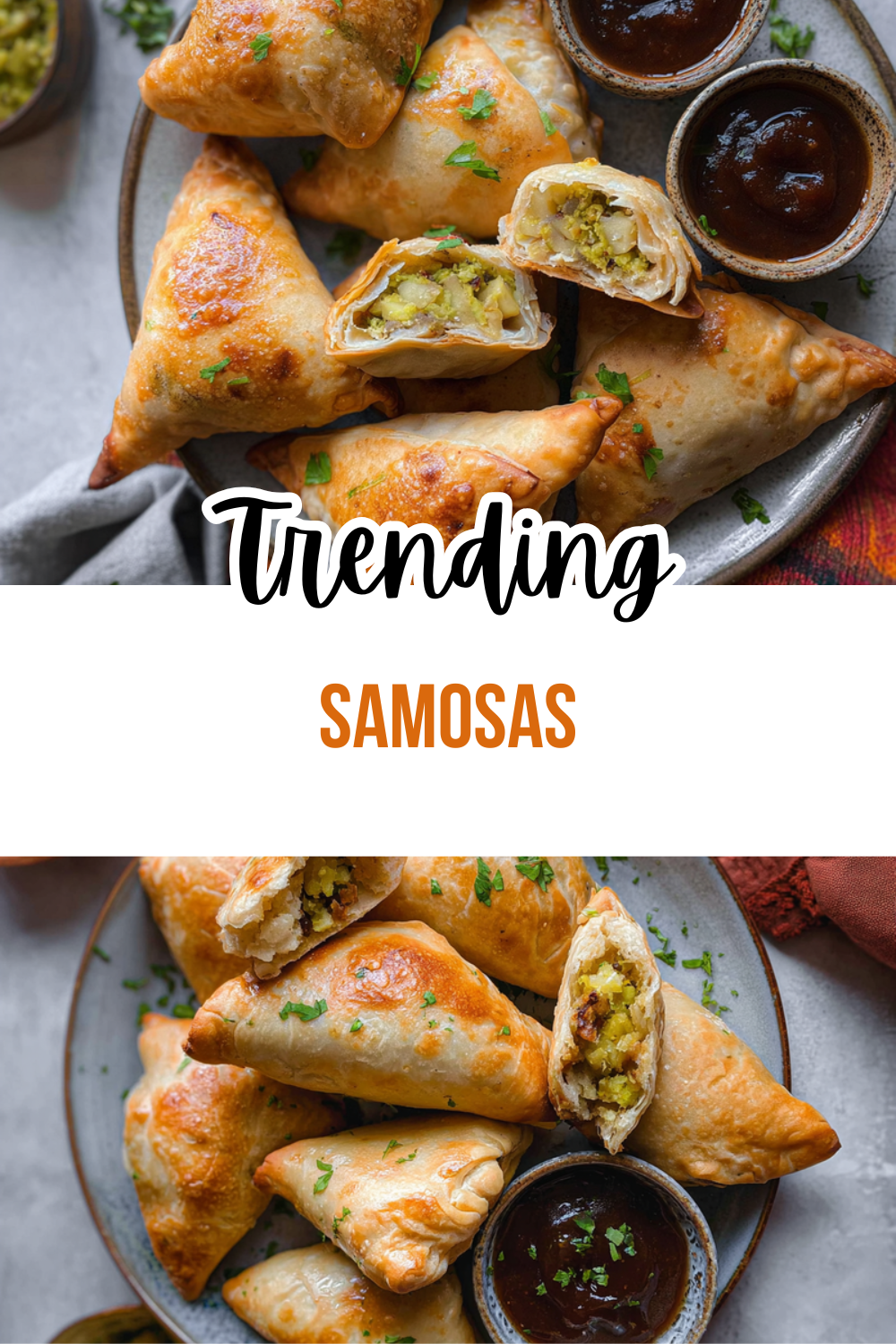
After the dough rests, knead it again lightly and divide it into 5 equal parts. Roll each part into an oval about 8.5 by 6.5 inches, then cut each in half to make semi-circles. Shape each half into a cone, fill it with the potato mixture, and seal the edges carefully. For frying, heat oil in a pan on a low flame for 10 to 12 minutes initially, then increase to medium heat until the samosas turn golden and crisp. Drain them on paper and serve with mint chutney, tamarind chutney, or tomato sauce. If you prefer, bake at 360°F (180°C) for 35 to 40 minutes with a light oil brush, or air-fry for about 18 minutes for a healthier twist.
This method ensures even cooking and great texture, and it’s adaptable for various needs. Remember, testing the oil temperature with a small dough piece that rises slowly with tiny bubbles is a smart tip to avoid greasy results.

Dietary Substitutions to Customize Your Samosas
Making samosas your own is all about swapping ingredients to match your diet or taste. For instance, if you’re looking for protein-packed options, replace potatoes with cooked lentils or chickpeas as a vegan twist. You could also use sweet potatoes or butternut squash for a sweeter filling that adds extra nutrients, keeping the dish light and flavorful.
When it comes to veggies and seasonings, swap peas with corn or carrots for new textures, or toss in spinach for more greens. Experiment with flavors by adding tamarind or mint chutney to the mix, and adjust spices like ginger or chili to make it milder or bolder. These changes help maintain the essence of samosas while fitting preferences, such as going gluten-free by using chickpea flour in the dough.
| Substitution Type | Suggestion | Benefit |
|---|---|---|
| Protein Alternatives | Ground chicken or turkey | Adds variety for non-vegetarian diets |
| Vegetable Swaps | Fresh spinach or kale | Boosts nutrition with vitamins |
| Spice Adjustments | Less chili powder | Makes it suitable for kids or sensitive palates |
Mastering Samosas: Advanced Tips and Variations
Once you’re comfortable with the basics, try advanced techniques to elevate your samosas. For a flakier pastry, use ice-cold water in the dough and make sure it rests properly to avoid shrinking. Fry on medium-low heat for even cooking, and always test the oil with a dough piece to ensure it bubbles just right, preventing excess oil absorption. Key tips include keeping the flour-to-oil ratio correct and rolling the dough to medium thickness for that perfect crisp.
Explore flavor variations by adding fresh herbs like cilantro or mixing in paneer for a creamy touch. You can also use different spice blends such as chaat masala for a tangy kick. For presentation, serve with colorful chutneys and garnish with lemon for extra appeal. If you’re planning ahead, prepare the dough and filling separately and store them in the fridge it’s ideal for busy schedules, and samosas can even be pre-fried and kept airtight for later.
Remember, baking is a healthier option that still delivers great taste, though frying gives the classic texture everyone loves.
- Use a mix of whole wheat and all-purpose flour for a nutty flavor.
- Experiment with alternative pastry sheets for quicker prep.
- Always drain samosas well to keep them from getting soggy.
How to Store Samosas: Best Practices
Proper storage keeps your samosas fresh and tasty for later. Cool them completely before placing in an airtight container and refrigerating for up to 2 days. For longer storage, freeze uncooked or cooked samosas on a baking sheet until firm, then transfer to freezer bags they’ll last about a month. When reheating, use an oven or air fryer at 350°F for 10-15 minutes to regain that crispiness, as microwaving can make them soft.
This approach works well for meal prep, letting you make batches in advance. Whether you’re storing for a quick snack or a family meal, following these steps helps maintain the flavor and texture you worked hard for.
FAQs: Frequently Asked Questions About Samosas
Why did my samosas turn out hard and tough?
Samosas become hard when there isn’t enough oil mixed into the dough. Oil tenderizes the crust by coating the flour particles, preventing them from developing too much gluten, which leads to toughness. To avoid a hard samosa crust, add the right amount of oil or ghee to your flour and mix well before adding water. This will give the dough the right texture—soft yet firm enough to hold the filling without cracking.
What causes samosas to turn out oily after frying?
Oily samosas usually result from using dough that is too soft due to excess water. When the dough contains too much moisture, it absorbs more oil during frying. To prevent this, use just enough water to bring the dough together into a firm ball. Also, make sure the oil is hot enough (around 350°F or 175°C) before frying to ensure quick cooking and less oil absorption.
Can I make samosa dough using whole wheat flour instead of all-purpose flour?
Yes, you can use whole wheat flour (atta) to make samosa dough, but the texture will be denser and the flavor nuttier compared to all-purpose flour. To get a crispy yet tender crust, you can mix 50% whole wheat flour and 50% all-purpose flour. This combination balances health benefits and texture, resulting in samosas that hold their shape well without being too hard.
Is it possible to bake samosas instead of frying them?
Baking samosas is a great alternative to frying if you want to reduce oil content. Brush the samosas lightly with oil and bake them in a preheated oven at 340–360°F (170–180°C) for 35 to 40 minutes, flipping halfway through to ensure even browning. While baked samosas won’t have the same crispiness as fried ones, they still taste delicious and are healthier.
Why does the samosa crust develop bubbles or blisters during frying?
Bubbles or blisters on samosa crust usually occur when the oil is too hot or the dough has excess moisture. High frying temperature causes rapid puffing of moisture inside the dough, creating blisters. Additionally, if the dough is very soft with too much water, it traps steam, leading to bubbles. To avoid this, maintain medium-high oil heat and use dough that is firm enough but not dry.
Samosas
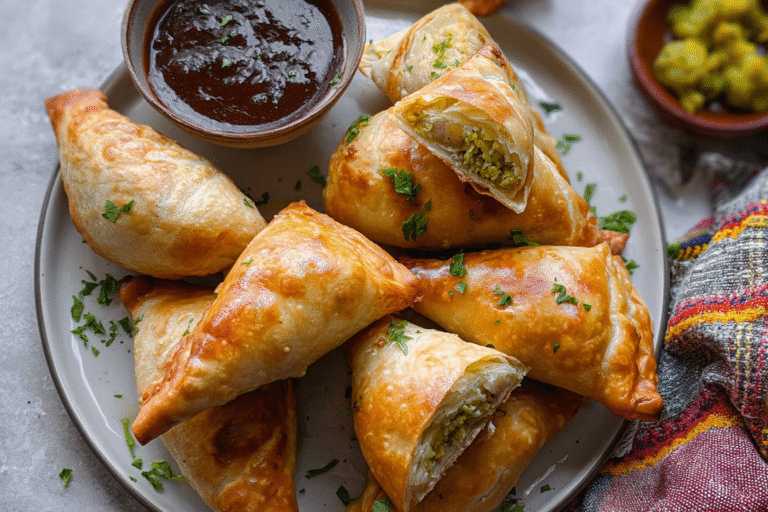
🥟 Savor the authentic taste of Punjabi samosas with a perfectly spiced potato filling and a flaky, crispy crust made from scratch.
🌿 This recipe offers a homemade, healthier alternative to store-bought samosas, packed with wholesome ingredients and vibrant flavors.
- Total Time: 50-55 minutes
- Yield: 10 samosas
Ingredients
– 2 cups all-purpose flour Forms the base of the flaky crust
– 3/4 teaspoon carom seeds (ajwain) Adds a unique, aromatic flavor
– 3/4 teaspoon salt Enhances the overall taste
– 1/4 cup oil or melted ghee Helps create a tender and crispy texture
– About 6 tablespoons water Used to bind the dough into a firm, non-sticky consistency
– 4 medium boiled and crumbled potatoes (about 500 grams) Provides the hearty base
– 1/2 cup green peas (boiled or frozen) Adds sweetness and texture
– 1 tablespoon oil or ghee For sautéing and flavor
– 3/4 teaspoon cumin seeds Gives a warm, earthy aroma
– 1 tablespoon minced ginger Adds a fresh, zesty kick
– 1 to 2 chopped green chilies (optional) Brings in some heat, adjust based on your preference
– A pinch of hing (asafoetida, optional) Contributes a subtle depth of flavor
– 3/4 teaspoon Kashmiri red chili powder (adjust to taste) For a mild to spicy red color and warmth
– 1/2 teaspoon garam masala Infuses a rich, spicy blend
– 1/2 teaspoon cumin powder Deepens the earthy notes
– 1/2 teaspoon amchur powder or chaat masala (optional) Provides a tangy twist
– 1/2 teaspoon fennel powder (optional) Adds a light, sweet undertone
– 4 tablespoons chopped coriander leaves Brings freshness and color
– 1 teaspoon lemon juice (or 1/2 teaspoon amchur or chaat masala) Balances the flavors with acidity
– Salt to taste Seasons the mixture perfectly
Instructions
1-Getting samosas just right involves a few key steps, starting with the dough and moving to the flavorful filling. Begin by mixing the dough ingredients to achieve that ideal flaky crust. First, combine 2 cups of all-purpose flour, 3/4 teaspoon carom seeds, 3/4 teaspoon salt, and 1/4 cup oil or melted ghee, rubbing them together until the mixture resembles breadcrumbs. Gradually add about 6 tablespoons of water to form a firm, stiff, non-sticky dough, then let it rest for 25 to 30 minutes.
2-Next, prepare the filling to pack in those spices and veggies. Heat 1 tablespoon of oil or ghee in a pan, add 3/4 teaspoon cumin seeds and let them splutter. Stir in 1 tablespoon minced ginger, 1 to 2 chopped green chilies if using, and a pinch of hing. Add 1/2 cup green peas along with the spices like 3/4 teaspoon Kashmiri red chili powder, 1/2 teaspoon garam masala, 1/2 teaspoon cumin powder, and any optional powders such as 1/2 teaspoon amchur or fennel. Mix in the 4 medium crumbled potatoes, salt to taste, 4 tablespoons chopped coriander, and 1 teaspoon lemon juice, cooking for 2 to 3 minutes until everything blends well, then cool the mixture.
3-Shaping and Cooking the Samosas. After the dough rests, knead it again lightly and divide it into 5 equal parts. Roll each part into an oval about 8.5 by 6.5 inches, then cut each in half to make semi-circles. Shape each half into a cone, fill it with the potato mixture, and seal the edges carefully. For frying, heat oil in a pan on a low flame for 10 to 12 minutes initially, then increase to medium heat until the samosas turn golden and crisp. Drain them on paper and serve with mint chutney, tamarind chutney, or tomato sauce. If you prefer, bake at 360°F (180°C) for 35 to 40 minutes with a light oil brush, or air-fry for about 18 minutes for a healthier twist.
Last Step:
Please leave a rating and comment letting us know how you liked this recipe! This helps our business to thrive and continue providing free, high-quality recipes for you.Notes
🌾 Maintain the right ratio of flour to oil for a flaky, crispy crust.
🥣 Knead the dough so it is firm but pliable to prevent tearing during shaping.
🔥 Fry initially on low heat to avoid excess oil absorption and achieve even crispiness.
- Prep Time: 25 minutes
- Dough Resting Time: 25-30 minutes
- Cook Time: 15 minutes
- Category: Snack, Appetizer, Street Food
- Method: Deep Frying, Baking, Air Frying
- Cuisine: Indian, Punjabi
- Diet: Vegetarian
Nutrition
- Serving Size: 2 samosas
- Calories: 222
- Sugar: 1g
- Sodium: 320mg
- Fat: 8g
- Saturated Fat: 1g
- Unsaturated Fat: 6g
- Trans Fat: 0g
- Carbohydrates: 32g
- Fiber: 4g
- Protein: 6g
- Cholesterol: 0mg