

Why You’ll Love This Butternut Squash
This butternut squash recipe offers ease of preparation, making it perfect for busy weeknights or beginners in the kitchen. It’s ready in about 25-35 minutes at 425°F, with minimal chopping and fuss, so you can enjoy roasted squash without spending hours prepping. Whether you’re new to cooking or just love a simple side, this dish brings the warmth of winter squash to your table effortlessly.
When it comes to health benefits, roasted butternut squash is a winner, loaded with vitamin A from beta-carotene, vitamin C, fiber, and potassium to support your immune system, eyes, and digestion. It’s a plant-based choice that provides steady energy through complex carbs, and you can tweak it to be low-fat or low-calorie by using less oil. For For more on the perks, check out this resource on Butternut Squash Health Benefits.
The versatility of this recipe is one of its biggest draws, fitting into vegetarian, vegan, paleo, gluten-free, or keto diets with ease. You can serve it as a side, mix it into salads, puree it for soup, or add it to grain bowls for a nutritious boost. With options to swap spices or herbs, it adapts to your tastes and meals, making it a go-to for home cooks everywhere.
Finally, the flavor is simply unforgettable, with a sweet, nutty taste that gets better when roasted, paired with herbs or spices for a delightful contrast. The soft inside and crispy edges create a texture that’s satisfying and fun to eat. It’s no wonder this butternut squash becomes a favorite for family dinners or creative cooking adventures.
Jump to:
- Why You’ll Love This Butternut Squash
- Essential Ingredients for Butternut Squash
- How to Prepare the Perfect Butternut Squash: Step-by-Step Guide
- Preheat and Prep
- Season and Coat
- Arrange and Roast
- Monitor and Test
- Finish and Flavor Balance
- Serve and Adapt
- Dietary Substitutions to Customize Your Butternut Squash
- Mastering Butternut Squash: Advanced Tips and Variations
- Pro Cooking Techniques
- Flavor Variations
- How to Store Butternut Squash: Best Practices
- FAQs: Frequently Asked Questions About Butternut Squash
- How do I peel butternut squash easily without it slipping?
- What is the best way to cut butternut squash for roasting?
- At what temperature and for how long should butternut squash be roasted?
- Can I freeze roasted butternut squash, and how should I reheat it?
- What simple seasonings pair well with roasted butternut squash?
- Butternut Squash
- Ingredients
- Instructions
- Last Step:
- Notes
- Nutrition
- Did you make this recipe?
Essential Ingredients for Butternut Squash
Here’s a straightforward list of everything you need for this roasted butternut squash recipe. We’ll stick to the exact ingredients provided to keep things simple and accurate.
- 1 butternut squash, peeled, seeds removed, and cut into 1-inch cubes
- Olive oil for drizzling
- Sea salt (amount not specified)
- Freshly ground black pepper (amount not specified)
- Chopped fresh parsley for garnish (optional; amount not specified)
These ingredients form the base of the dish, focusing on fresh, simple elements that highlight the natural flavors of butternut squash. Keep in mind, you can adjust seasonings to your preference for a personalized touch.
How to Prepare the Perfect Butternut Squash: Step-by-Step Guide
Preheat and Prep
First, preheat your oven to 400°F and line a baking sheet with parchment paper to make cleanup a breeze. Start by washing the butternut squash, then peel it with a sturdy vegetable peeler, working down from the stem in long strips. Cut off the stem, slice the squash in half vertically, scoop out the seeds with a spoon, and dice it into even 1-inch cubes for uniform cooking.
This step ensures everything roasts at the same rate, avoiding any undercooked pieces. If you’re short on time, you could try halving the squash and roasting it whole, but cubing it gives that perfect texture we’re after.
Season and Coat
Next, place the cubed squash in a large bowl and drizzle it with olive oil to help it caramelize. Add sea salt and freshly ground black pepper to bring out the flavors, and if you like, toss in fresh rosemary or thyme for an extra herb kick. Gently mix everything so the cubes are evenly coated, making sure not to overdo it for a lighter dish.
This coating step is key to getting that golden brown finish, and it’s easy to adapt if you’re going for a vegan version, just stick with the basics. The herbs add a nice twist without complicating things.
Arrange and Roast
Spread the seasoned squash in a single layer on the baking sheet, leaving space between the pieces to let them crisp up instead of steam. Pop it in the oven for 30 to 35 minutes, until it’s tender and golden brown, flipping halfway through for even results. Keep an eye on it to get just the right texture for your meal.
Roasting at this temperature brings out the squash’s natural sweetness, and you can always add it to other dishes like salads or soups right after. It’s a flexible method that works for all sorts of kitchens.
Monitor and Test
As it roasts, check the squash around the 20-minute mark with a fork to see if it’s tender. If the cubes are larger, they might need a bit more time, so adjust as needed. For extra crispiness, you could broil it briefly at the end, but don’t walk away things can burn fast.
This testing helps you nail the perfect doneness, whether you want it soft for mashing or firm for mixing into recipes. It’s all about getting that balance right.
Finish and Flavor Balance
Once it’s out of the oven, transfer the squash to a bowl and give it a quick toss with any additional flavors, like the optional chopped fresh parsley for garnish. This step brightens everything up and lets you taste and adjust seasonings on the spot. Serve it warm as is, or get creative with how you use it.
Finishing touches like herbs make a big difference, turning a simple side into something special. It’s easy to adapt for different diets here too.
Serve and Adapt
Finally, plate your roasted butternut squash as a side dish, or incorporate it into soups, pastas, salads, grain bowls, or burrito bowls for a versatile meal. With an active prep time of about 10 minutes and total time around 40 minutes, it’s quick to make and even quicker to enjoy. Leftovers can be reheated easily, making it ideal for busy families.
For more ideas on fall recipes, you might enjoy trying this pumpkin pie bars recipe for a sweet twist on seasonal flavors. Roasted squash fits well into all kinds of meals, so experiment and see what works best for you.

Dietary Substitutions to Customize Your Butternut Squash
| Substitution Type | Options | Benefits |
|---|---|---|
| Protein Boost | Roast with chickpeas or add shredded chicken | Makes the dish more filling and adaptable to various diets |
| Vegetable Swaps | Combine with carrots or brussels sprouts | Adds variety and seasonal flavors while keeping it healthy |
| Seasoning Changes | Use oregano for Mediterranean vibes or cumin for Middle Eastern notes | Allows for easy flavor customization without extra effort |
These swaps let you tailor the recipe to your needs, whether you’re vegan, gluten-free, or just mixing things up. For instance, replace honey with maple syrup for a vegan option, ensuring everyone at the table can enjoy it.
Protein alternatives like tofu or chickpeas add heartiness, while vegetable mods keep it fresh. Allergy-friendly changes, such as using nutritional yeast, make it safe for sensitive eaters.
Mastering Butternut Squash: Advanced Tips and Variations
Pro Cooking Techniques
- Cut squash into uniform sizes for even cooking.
- Start roasting at a higher temperature then lower it to avoid burning.
- Par-cook tougher pieces for a crisp finish.
These methods help you get professional results at home, making your roasted butternut squash stand out. Even sizing ensures nothing overcooks, while high-heat starts build that caramelized edge.
Flavor Variations
Try a savory herb mix with rosemary and garlic for a fresh twist, or go for spiced-sweet with cinnamon and maple syrup. These changes keep the dish exciting and pair well with different mains. For a smoky option, add paprika and chipotle for depth.
Presentation ideas like layering over yogurt or adding seeds can make it look as good as it tastes. Make-ahead tips, such as prepping cubes in advance, save time on busy days. Freezing blanched squash lets you have it ready for quick meals.
How to Store Butternut Squash: Best Practices
Keep cooked squash in the fridge for short-term use, storing it in airtight containers for up to 3-4 days. For raw cut squash, wrap it tightly and use within 3-5 days to stay fresh. Freezing is great for longer storage; blanch raw cubes first, then freeze them on a tray before bagging.
Cooked versions last up to 3 months in the freezer, so thaw and reheat carefully. Reheating in the oven restores texture best, while meal prep ideas like portioning for grabs make it convenient. Always store dressings separately to keep things crisp.
FAQs: Frequently Asked Questions About Butternut Squash
How do I peel butternut squash easily without it slipping?
To peel butternut squash safely and easily, first cut off both ends to create flat surfaces. Use a sharp vegetable peeler designed for tough skins and peel downward toward the wider end. Working on a stable cutting board helps prevent slipping. If the squash is very hard, microwave it for 1-2 minutes to soften the skin slightly before peeling. After peeling, cut the squash in half to scoop out the seeds.
What is the best way to cut butternut squash for roasting?
Start by trimming off the stem and the bottom end, then carefully cut the squash in half lengthwise. Use a spoon to scoop out the seeds and stringy parts from each half. Place the halves cut-side down and slice them into 1-inch thick strips, then dice into cubes of similar size to ensure even roasting.
At what temperature and for how long should butternut squash be roasted?
Roasting butternut squash at 400°F (200°C) for 30 to 35 minutes is ideal. Spread the cubed squash in a single layer on a baking sheet, toss lightly with olive oil, salt, and pepper, then roast until the cubes are tender and caramelized around the edges. Stirring halfway through cooking helps promote even browning.
Can I freeze roasted butternut squash, and how should I reheat it?
Yes, roasted butternut squash freezes well. After cooling, spread the cubes on a parchment-lined tray and freeze until solid. Transfer to an airtight container or freezer bag and keep frozen for up to 3 months. To reheat, bake at 350°F (175°C) for 10-15 minutes or warm on the stovetop until heated through, which preserves texture better than microwaving.
What simple seasonings pair well with roasted butternut squash?
Basic seasonings like olive oil, sea salt, and freshly ground black pepper highlight butternut squash’s natural sweetness. Additional flavors such as fresh herbs like thyme, rosemary, or parsley can be sprinkled on after roasting. For a twist, try adding a dash of cinnamon, nutmeg, or a splash of balsamic vinegar before roasting for extra depth.
Butternut Squash
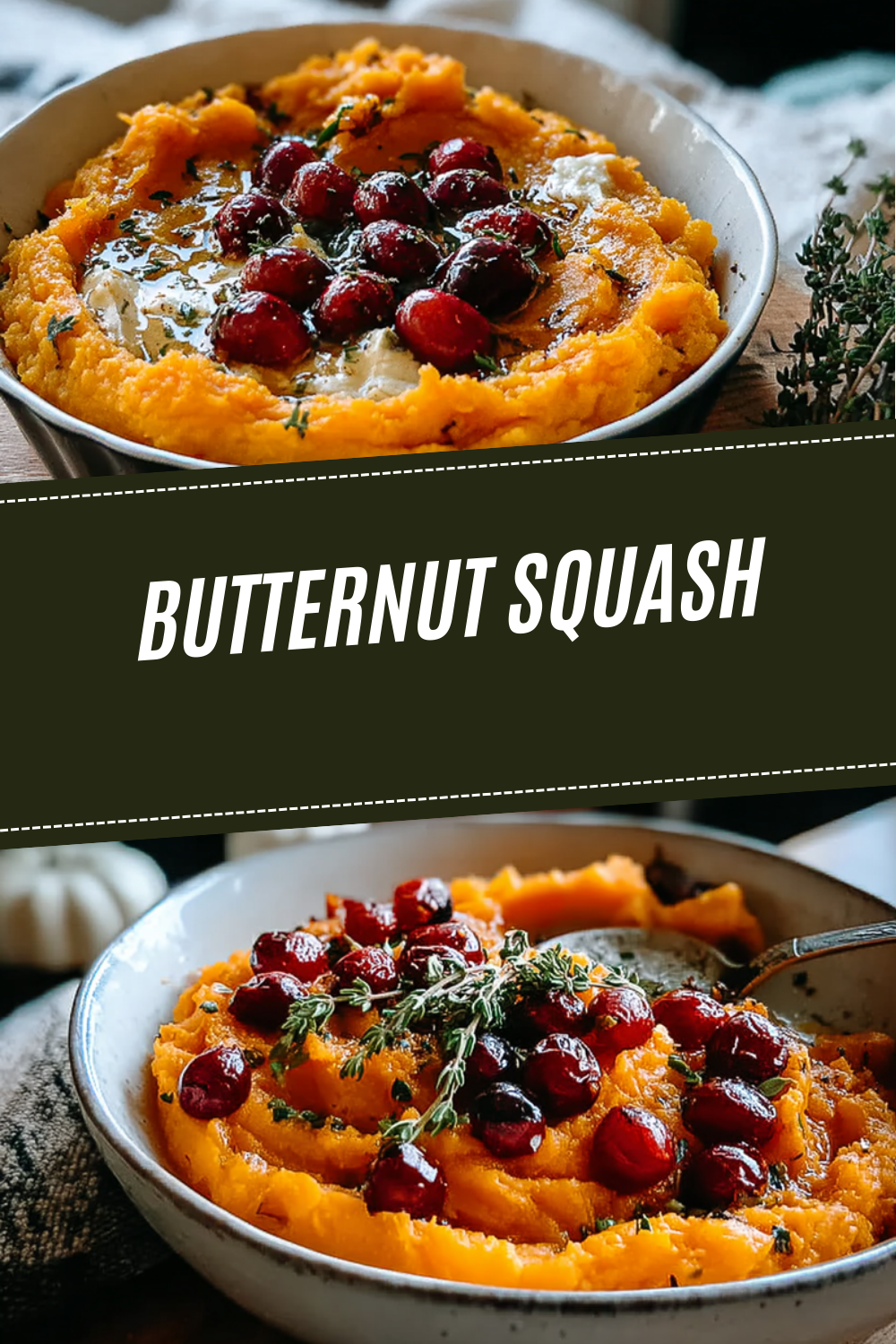
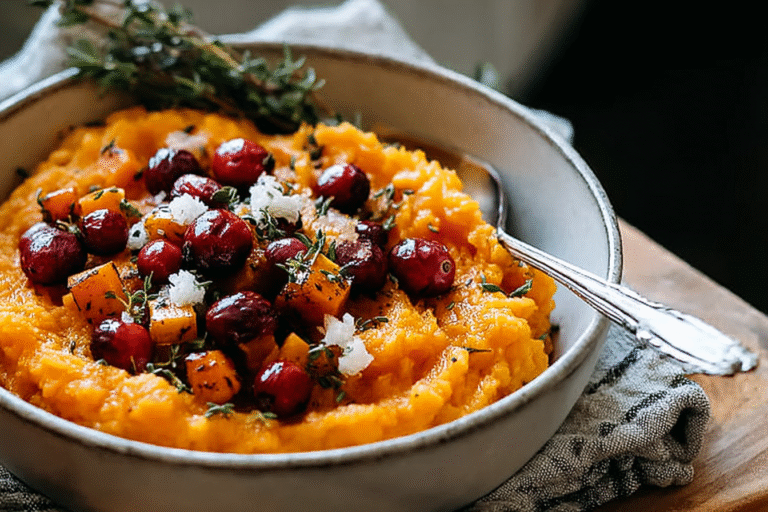
🍠 Roasted Butternut Squash Recipe delivers perfectly tender and golden cubes with a simple seasoning that highlights the natural sweetness of the squash.
🌿 This easy-to-make dish provides a versatile side that pairs well with many meals and brings comforting warmth to your table.
- Total Time: 40 minutes
- Yield: 4 servings 1x
Ingredients
1 butternut squash, peeled, seeds removed, and cut into 1-inch cubes
Olive oil for drizzling
Sea salt
Freshly ground black pepper
Chopped fresh parsley for garnish
Instructions
1-Preheat and Prep: First, preheat your oven to 400°F and line a baking sheet with parchment paper to make cleanup a breeze. Start by washing the butternut squash, then peel it with a sturdy vegetable peeler, working down from the stem in long strips. Cut off the stem, slice the squash in half vertically, scoop out the seeds with a spoon, and dice it into even 1-inch cubes for uniform cooking.
This step ensures everything roasts at the same rate, avoiding any undercooked pieces. If you’re short on time, you could try halving the squash and roasting it whole, but cubing it gives that perfect texture we’re after.
2-Season and Coat: Next, place the cubed squash in a large bowl and drizzle it with olive oil to help it caramelize. Add sea salt and freshly ground black pepper to bring out the flavors, and if you like, toss in fresh rosemary or thyme for an extra herb kick. Gently mix everything so the cubes are evenly coated, making sure not to overdo it for a lighter dish.
This coating step is key to getting that golden brown finish, and it’s easy to adapt if you’re going for a vegan version, just stick with the basics. The herbs add a nice twist without complicating things.
3-Arrange and Roast: Spread the seasoned squash in a single layer on the baking sheet, leaving space between the pieces to let them crisp up instead of steam. Pop it in the oven for 30 to 35 minutes, until it’s tender and golden brown, flipping halfway through for even results. Keep an eye on it to get just the right texture for your meal.
Roasting at this temperature brings out the squash’s natural sweetness, and you can always add it to other dishes like salads or soups right after. It’s a flexible method that works for all sorts of kitchens.
4-Monitor and Test: As it roasts, check the squash around the 20-minute mark with a fork to see if it’s tender. If the cubes are larger, they might need a bit more time, so adjust as needed. For extra crispiness, you could broil it briefly at the end, but don’t walk away things can burn fast.
This testing helps you nail the perfect doneness, whether you want it soft for mashing or firm for mixing into recipes. It’s all about getting that balance right.
5-Finish and Flavor Balance: Once it’s out of the oven, transfer the squash to a bowl and give it a quick toss with any additional flavors, like the optional chopped fresh parsley for garnish. This step brightens everything up and lets you taste and adjust seasonings on the spot. Serve it warm as is, or get creative with how you use it.
Finishing touches like herbs make a big difference, turning a simple side into something special. It’s easy to adapt for different diets here too.
6-Serve and Adapt: Finally, plate your roasted butternut squash as a side dish, or incorporate it into soups, pastas, salads, grain bowls, or burrito bowls for a versatile meal. With an active prep time of about 10 minutes and total time around 40 minutes, it’s quick to make and even quicker to enjoy. Leftovers can be reheated easily, making it ideal for busy families.
For more ideas on fall recipes, you might enjoy trying this pumpkin pie bars recipe for a sweet twist on seasonal flavors. Roasted squash fits well into all kinds of meals, so experiment and see what works best for you.
Last Step:
Please leave a rating and comment letting us know how you liked this recipe! This helps our business to thrive and continue providing free, high-quality recipes for you.Notes
🔪 If the squash is hard to cut, soften briefly in microwave or oven for easier handling.
⚖️ Cut squash evenly for consistent cooking.
🧺 Leave space between cubes on the baking sheet for crispy edges and better roasting.
- Prep Time: 10 minutes
- Cook Time: 30-35 minutes
- Category: Side Dish
- Method: Roasting
- Cuisine: American
- Diet: Vegan, Gluten-Free
Nutrition
- Serving Size: 1/4 of recipe