
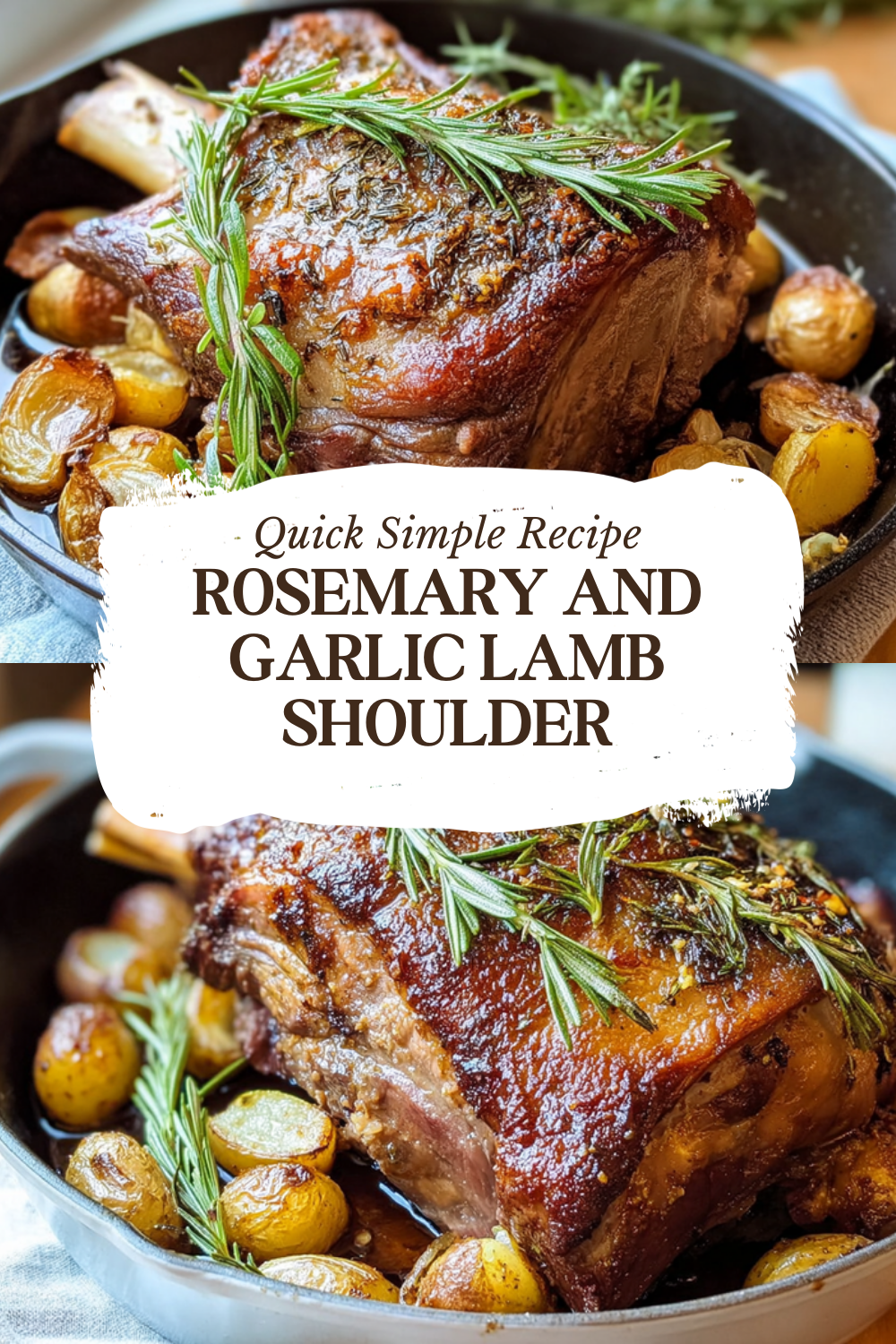
Why You’ll Love This Rosemary And Garlic Lamb Shoulder
Slow roasting brings out the best in a bone-in lamb shoulder, turning it into a meal that’s packed with rich flavors and minimal effort. This recipe highlights the classic duo of rosemary and garlic, creating juicy, tender meat that falls right off the bone with little fuss. It’s perfect for anyone new to cooking or busy folks who want a dish that impresses without taking over the kitchen.
One reason you’ll enjoy this rosemary and garlic lamb shoulder is its ease of preparation it’s simple with just a quick rub and slow roasting for tender results. High-quality protein from the lamb provides essential nutrients like iron and B vitamins, and the fresh herbs add antioxidants for a healthier twist. You can tweak it for lighter meals by trimming fat or pairing it with fresh veggies.
This dish shines with its versatility, fitting into various meals from family dinners to special events. The deep, herbal taste from rosemary and garlic makes it stand out, while options like shredding for sandwiches keep things exciting. Whether you’re cooking for dietary needs or just a crowd, this recipe adapts easily.
Jump to:
- Why You’ll Love This Rosemary And Garlic Lamb Shoulder
- Essential Ingredients for Rosemary And Garlic Lamb Shoulder
- How to Prepare the Perfect Rosemary And Garlic Lamb Shoulder: Step-by-Step Guide
- First Step: Prepare and Preheat
- Second Step: Set Up the Pan
- Third Step: Slow Roast and Finish
- Dietary Substitutions to Customize Your Rosemary And Garlic Lamb Shoulder
- Protein and Main Component Alternatives
- Vegetable, Sauce, and Seasoning Modifications
- Mastering Rosemary And Garlic Lamb Shoulder: Advanced Tips and Variations
- Flavor Variations
- How to Store Rosemary And Garlic Lamb Shoulder: Best Practices
- FAQs: Frequently Asked Questions About Rosemary And Garlic Lamb Shoulder
- Can I leave out garlic in a rosemary and garlic lamb shoulder recipe if I’m allergic?
- How long should I cook a 3 kg rolled lamb shoulder using a slow roast method?
- Can I cook two lamb shoulders at once in the same pan, and how does this affect cooking time?
- What is the best way to make gluten-free gravy from the pan juices of rosemary and garlic lamb shoulder?
- Why isn’t my lamb shoulder as tender as expected after slow cooking, and how can I fix this?
- Rosemary And Garlic Lamb Shoulder
- Ingredients
- Instructions
- Last Step:
- Notes
- Nutrition
- Did you make this recipe?
Essential Ingredients for Rosemary And Garlic Lamb Shoulder
- 1.8 kg (3.5 lb) bone-in lamb shoulder
- 2 tablespoons olive oil
- 2 teaspoons salt
- 1 teaspoon black pepper
- 1 onion, quartered (no need to peel)
- 1 head garlic, cut in half horizontally
- 3 garlic cloves, cut into slivers
- 8 sprigs rosemary
- 1 cup water
- 2 tablespoons flour (for the gravy)
- 2 cups beef broth (or 1 cup red wine plus 1 cup water, for the gravy)
- Salt and pepper to taste (for the gravy)
These ingredients form the heart of the recipe, with the lamb shoulder providing the main flavor base and the herbs adding that fresh, aromatic touch. Each item plays a key role, from the olive oil that helps everything stick to the garlic that infuses depth. Don’t skip the water or broth, as they keep the meat moist during cooking.
How to Prepare the Perfect Rosemary And Garlic Lamb Shoulder: Step-by-Step Guide
Start by preheating your oven to keep things straightforward and get that perfect slow roast going. Rub the lamb with olive oil, salt, and pepper to build flavor right from the start. This method makes the meat tender and full of taste without much hassle.
First Step: Prepare and Preheat
First, preheat the oven to 240°C/465°F (or 220°C for fan-forced) to give the lamb a strong start. Rub the 1.8 kg bone-in lamb shoulder with 2 tablespoons of olive oil, 2 teaspoons of salt, and 1 teaspoon of black pepper for a simple seasoning. Make 12 deep incisions in the lamb and stuff them with 8 sprigs of rosemary and slivers from 3 garlic cloves to lock in herbs.
Second Step: Set Up the Pan
Place a quartered onion, a halved head of garlic, and a few rosemary sprigs in the base of your roasting pan for added aroma. Position the lamb on top and pour 1 cup of water around it to create steam and keep it juicy. Cover the pan with a lid or double-layered foil to trap heat during the slow roast.
Third Step: Slow Roast and Finish
Reduce the oven temperature to 180°C/350°F (or 160°C for fan-forced) and roast covered for 3 hours until the meat is tender. Then, remove the foil, check the liquid in the pan, and crank the heat to 220°C/425°F for 20-30 minutes to crisp the skin. For the gravy, skim fat from the pan, add 2 tablespoons of flour, and stir in 2 cups of beef broth (or 1 cup red wine plus 1 cup water) while mashing the onion and garlic.
Simmer the gravy until it thickens and season with salt and pepper to taste. Let the lamb rest for at least 20 minutes before serving to let the juices settle. For a complete meal, pair it with sides like roasted potatoes and if you’re looking for a sweet finish, check out our apple crisp recipe for a simple dessert that complements the savory flavors.

Dietary Substitutions to Customize Your Rosemary And Garlic Lamb Shoulder
Protein and Main Component Alternatives
If lamb isn’t your thing, swap it for beef brisket or pork shoulder to keep the rosemary-and-garlic vibe alive. A bone-in turkey leg works for poultry fans, and for plant-based options, try jackfruit to mimic that shredded texture. Go for leaner cuts if you’re watching calories, and add more veggies to balance the plate.
Vegetable, Sauce, and Seasoning Modifications
Switch up veggies like carrots for Brussels sprouts to lighten things up, or make a fresh herb sauce instead of gravy. For gluten-free gravy, use cornstarch as a thickener, and add spices like cumin for a new twist. This recipe adapts well for seasons, like pairing with salads in summer or hearty roots in winter, serving about 250-300g per person.
External link: For more ideas on lamb dishes, read about slow-cooked lamb shoulder recipes that inspire variations.
Mastering Rosemary And Garlic Lamb Shoulder: Advanced Tips and Variations
Use a thermometer to hit the sweet spot of 92 95°C for that perfect pull-apart meat. Baste the lamb once or twice for extra flavor, and finish with a quick broil for a crispy edge. Experiment with mint or cumin in the rub for fun twists that keep things exciting.
External link: Learn why lamb is a great choice by checking out the benefits of New Zealand spring lamb, which highlights its nutritional perks.
Nutritional info shows each 398-gram serving has about 575 calories, so it’s hearty yet balanced. Try dry-brining overnight for deeper flavors or sous-vide for even cooking pair with wines like Chardonnay to elevate the meal.
Flavor Variations
Add lemon zest for a Mediterranean feel or balsamic glaze for sweetness, making this recipe endlessly adaptable.
How to Store Rosemary And Garlic Lamb Shoulder: Best Practices
Cool the meat quickly and store it in the fridge for up to 4 days or freeze for three months. Reheat gently with stock to keep it moist, and use leftovers in tacos or salads for easy meals.
FAQs: Frequently Asked Questions About Rosemary And Garlic Lamb Shoulder
Can I leave out garlic in a rosemary and garlic lamb shoulder recipe if I’m allergic?
Yes, you can omit garlic if you have an allergy. Garlic adds a sharp, aromatic flavor, so skipping it will change the taste slightly. To maintain flavor, consider substituting with mild onions or shallots, which provide a gentler, savory note without overpowering the rosemary. Adjust seasoning as needed to balance the flavors.
How long should I cook a 3 kg rolled lamb shoulder using a slow roast method?
For a 3 kg rolled lamb shoulder, increase the slow roast time to about 4.5 to 5 hours at 140°C (285°F). Cooking it covered and at low heat allows the connective tissues to break down, making the meat tender. Always check that the meat easily pulls apart before serving.
Can I cook two lamb shoulders at once in the same pan, and how does this affect cooking time?
You can cook two lamb shoulders together in one pan, especially if each is around 1.5 kg. Make sure the shoulders fit comfortably without overcrowding. Add roughly 30 minutes to the cooking time to ensure even heat distribution and tender meat throughout.
What is the best way to make gluten-free gravy from the pan juices of rosemary and garlic lamb shoulder?
To make gluten-free gravy, use tapioca flour or cornstarch as a thickener instead of wheat flour. Mix 1 to 2 teaspoons of tapioca flour with cold water to form a slurry, then whisk it into the simmering pan juices. Cook until the gravy thickens to your desired consistency.
Why isn’t my lamb shoulder as tender as expected after slow cooking, and how can I fix this?
If the lamb shoulder isn’t tender, it may need more cooking time. Tough cuts like shoulder require slow, low heat to break down collagen. Extend the cooking time by 30 minutes to an hour, keeping the temperature low and the meat covered to retain moisture. Check for tenderness by testing if the meat pulls apart easily.
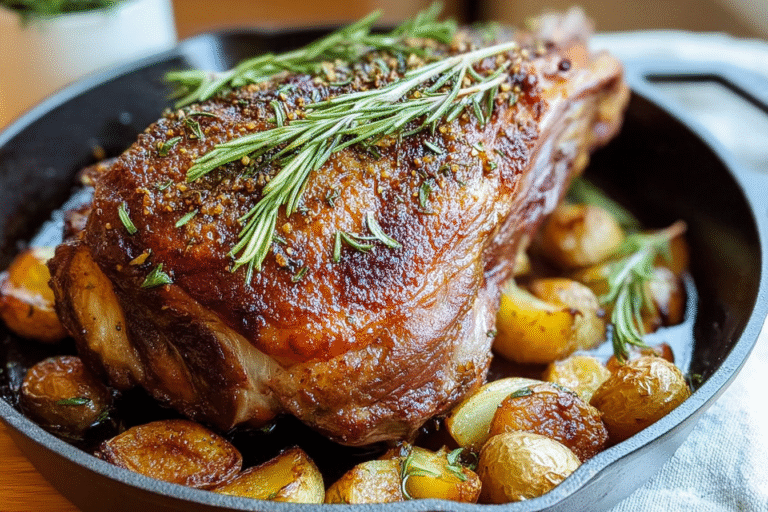
Rosemary And Garlic Lamb Shoulder
🍖 This Slow Roasted Rosemary Garlic Lamb Shoulder offers tender, flavorful meat that melts in your mouth thanks to slow cooking.
🌿 Infused with fresh rosemary and garlic, it delivers an aromatic and rich experience perfect for special meals or hearty family dinners.
- Total Time: 4 hours 5 minutes
- Yield: 4 servings
Ingredients
– 1.8 kg (3.5 lb) bone-in lamb shoulder
– 2 tablespoons olive oil
– 2 teaspoons salt
– 1 teaspoon black pepper
– 1 onion, quartered (no need to peel)
– 1 head garlic, cut in half horizontally
– 3 garlic cloves, cut into slivers
– 8 sprigs rosemary
– 1 cup water
– 2 tablespoons flour for the gravy
– 2 cups beef broth for the gravy
– 1 cup red wine for the gravy
– 1 cup water for the gravy
– Salt and pepper to taste for the gravy
Instructions
1-First Step: Prepare and Preheat First, preheat the oven to 240°C/465°F (or 220°C for fan-forced) to give the lamb a strong start. Rub the 1.8 kg bone-in lamb shoulder with 2 tablespoons of olive oil, 2 teaspoons of salt, and 1 teaspoon of black pepper for a simple seasoning. Make 12 deep incisions in the lamb and stuff them with 8 sprigs of rosemary and slivers from 3 garlic cloves to lock in herbs.
2-Second Step: Set Up the Pan Place a quartered onion, a halved head of garlic, and a few rosemary sprigs in the base of your roasting pan for added aroma. Position the lamb on top and pour 1 cup of water around it to create steam and keep it juicy. Cover the pan with a lid or double-layered foil to trap heat during the slow roast.
3-Third Step: Slow Roast and Finish Reduce the oven temperature to 180°C/350°F (or 160°C for fan-forced) and roast covered for 3 hours until the meat is tender. Then, remove the foil, check the liquid in the pan, and crank the heat to 220°C/425°F for 20-30 minutes to crisp the skin. For the gravy, skim fat from the pan, add 2 tablespoons of flour, and stir in 2 cups of beef broth (or 1 cup red wine plus 1 cup water) while mashing the onion and garlic.
Simmer the gravy until it thickens and season with salt and pepper to taste. Let the lamb rest for at least 20 minutes before serving to let the juices settle. For a complete meal, pair it with sides like roasted potatoes and if you’re looking for a sweet finish, check out our apple crisp recipe for a simple dessert that complements the savory flavors.
Last Step:
Please leave a rating and comment letting us know how you liked this recipe! This helps our business to thrive and continue providing free, high-quality recipes for you.Notes
🔥 Opt for lamb shoulder for juicier, more flavorful meat due to slow cooking.
🌿 Use fresh rosemary to hold well in slits and infuse flavor.
⏲️ Extend cooking time for larger or boneless cuts; ensure enough liquid during browning to prevent burning.
- Prep Time: 15 minutes
- Resting Time: 20 minutes
- Cook Time: 3 hours 30 minutes
- Category: Main Course
- Method: Roasting, Slow Cooking
- Cuisine: Mediterranean
- Diet: Gluten-Free
Nutrition
- Serving Size: Approx. 398 grams
- Calories: 575 kcal
- Sugar: 0 g
- Sodium: 700 mg (approximate from seasoning and broth)
- Fat: 40 g
- Saturated Fat: 15 g
- Unsaturated Fat: 20 g
- Trans Fat: 0 g
- Carbohydrates: 5 g
- Fiber: 1 g
- Protein: 50 g
- Cholesterol: 150 mg