
Why You’ll Love This Pasta Napoletana
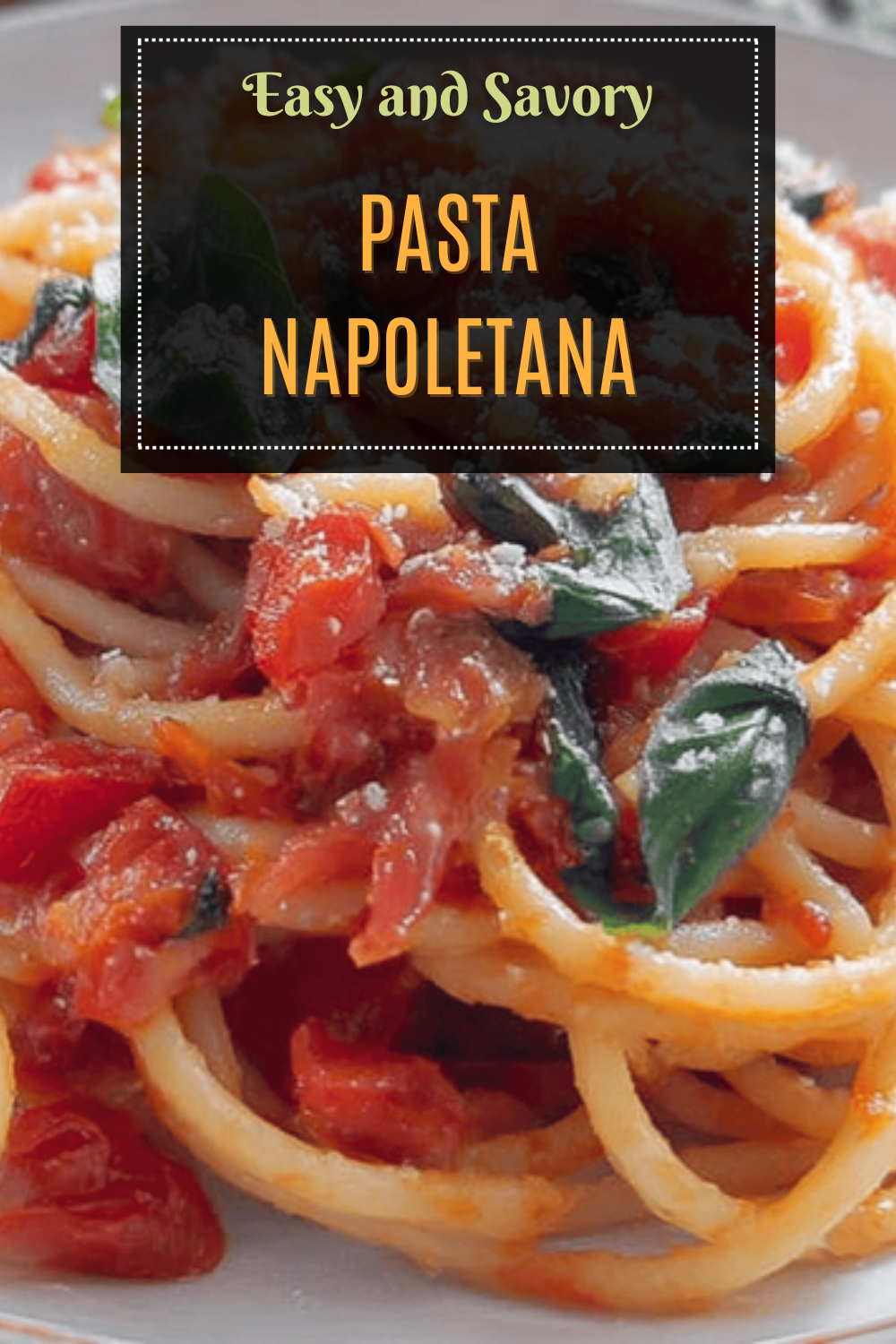
Pasta Napoletana is a go-to dish that brings comfort and simplicity to your kitchen, especially if you’re whipping up a meal on busy evenings. This Pasta Napoletana recipe uses fresh ingredients like ripe tomatoes and basil to create a rich, satisfying sauce that feels homemade every time. Whether you’re cooking for family or just yourself, its quick prep and adaptable nature make it a favorite for home cooks of all levels.
One of the best parts about this Pasta Napoletana is how easy it is to prepare, taking just about 25 minutes from start to finish with basic steps that anyone can follow. It offers health benefits too, packed with nutrients from ingredients like tomatoes, which provide vitamins and antioxidants for a balanced meal. This recipe’s versatility shines through as it adapts to various needs, from vegan options by skipping cheese to gluten-free choices with the right pasta swap.
Beyond its ease and nutrition, Pasta Napoletana delivers a distinctive flavor that’s hard to beat, blending the sweetness of onions and the aroma of garlic with fresh basil for a truly memorable taste. If you’re looking for a dish that feels special yet simple, this one fits the bill and can be customized for different tastes. For those wanting a sweet follow-up, try our easy apple crisp recipe to end your meal on a high note.
Key Reasons This Recipe Stands Out
- It simplifies weeknight dinners with minimal ingredients and fast cooking time.
- You get a nutrient boost from fresh veggies and herbs, supporting everyday wellness.
- It’s flexible for all diets, ensuring everyone at the table can enjoy it.
- The flavors make it a standout option compared to plain pasta dishes.
To dive deeper into the benefits of key ingredients like tomatoes, check out this guide on the health benefits of tomatoes. This can help you appreciate why Pasta Napoletana is not just tasty but good for you too.
Jump to:
- Why You’ll Love This Pasta Napoletana
- Key Reasons This Recipe Stands Out
- Essential Ingredients for Pasta Napoletana
- How to Prepare the Perfect Pasta Napoletana: Step-by-Step Guide
- Tips for Timing and Adjustments
- Dietary Substitutions to Customize Your Pasta Napoletana
- Mastering Pasta Napoletana: Advanced Tips and Variations
- Creative Ideas to Try
- How to Store Pasta Napoletana: Best Practices
- FAQs: Frequently Asked Questions About Pasta Napoletana
- What ingredients do I need to make traditional Pasta Napoletana?
- Can I use fresh tomatoes instead of canned for Pasta Napoletana sauce?
- What pasta types are best suited for Pasta Napoletana?
- Is it okay to skip parmesan cheese in Pasta Napoletana or substitute it?
- How should I store and reheat leftover Pasta Napoletana?
- Pasta Napoletana
- Ingredients
- Instructions
- Last Step:
- Notes
- Nutrition
- Did you make this recipe?
Essential Ingredients for Pasta Napoletana
Gathering the right ingredients is the first step to making a delicious Pasta Napoletana, and this recipe keeps things straightforward with pantry staples and fresh picks. You’ll find that these items come together quickly to build a flavorful sauce that’s both hearty and light. Always use fresh, quality components to enhance the taste and make your cooking experience enjoyable.
For this Pasta Napoletana, the ingredients are carefully selected to ensure a balanced and tasty result. Here’s a complete list based on the recipe, with precise measurements to help you shop and prepare without any guesswork:
- 8 oz (220 grams) pasta (such as spaghetti, bucatini, or other short pasta)
- 1 tablespoon olive oil or extra virgin olive oil, plus more for drizzling
- 1 medium sized onion, finely chopped
- 2-3 garlic cloves, minced
- 1 can (14 oz/400 grams) canned tomatoes (whole, diced, or cherry)
- ½ teaspoon salt, plus more to taste
- ⅛ teaspoon black pepper
- 1 handful fresh basil leaves, chopped or torn
- 3 tablespoons grated parmesan cheese for serving
This structured list covers everything needed, making it simple to measure out portions ahead of time. If you’re adapting for dietary needs, remember options like vegan swaps are easy to incorporate.
How to Prepare the Perfect Pasta Napoletana: Step-by-Step Guide
Getting Pasta Napoletana just right involves a few simple steps that build layers of flavor without overwhelming your kitchen. Start by organizing your ingredients to make the process smooth and fun, even on a hectic day. This guide walks you through each part, ensuring your dish turns out tasty and satisfying every time.
First, bring a large pot of salted water to a boil and add the pasta, cooking it according to the package until it’s al dente this usually takes about 8-10 minutes. While the pasta cooks, heat the olive oil in a pan over medium heat and add the chopped onion, cooking it until soft, around 5-6 minutes. For more tips on pasta basics, visit this resource on how to cook pasta perfectly.
Next, stir in the minced garlic and cook for another 2 minutes until it smells wonderful. Then, add the canned tomatoes along with salt and black pepper, letting the mixture simmer for 15 minutes while you break up the tomatoes with a spoon. Once the sauce thickens, mix in the fresh basil just before combining it with the drained pasta, and use some reserved pasta water to keep everything moist and flavorful.
Finally, toss the pasta in the sauce and serve it up with grated parmesan on top. The total time is about 25 minutes, with 3 minutes for prep and 22 for cooking, making it ideal for quick meals. Feel free to tweak for dietary preferences, like using gluten-free pasta, to suit your needs.
Tips for Timing and Adjustments
- Start the pasta 5 minutes after the sauce to ensure both finish together.
- Adjust heat levels to avoid burning the garlic or onions.
- Add extras like veggies for more nutrition if you have time.

Dietary Substitutions to Customize Your Pasta Napoletana
One of the great things about Pasta Napoletana is how it adapts to different lifestyles, letting you tweak it without losing its charm. Whether you’re watching your calories or following a special diet, small changes can make a big difference. This section covers easy swaps to keep the dish delicious and inclusive for everyone.
For protein and main components, try swapping regular pasta with gluten-free or legume-based options to boost nutrients and accommodate sensitivities. If you’re going vegan, add plant-based proteins like tofu instead of cheese to keep things hearty. Vegetable modifications are simple too toss in seasonal items like zucchini or bell peppers to add crunch and vitamins while maintaining the sauce’s fresh taste.
When it comes to sauce and seasonings, experiment with alternatives like pesto for a new twist or herbs such as oregano to match your flavor preferences. These adjustments help tailor Pasta Napoletana to diets like low-calorie or vegan, ensuring it’s versatile for busy parents or health-focused folks. Remember, fresh ingredients like those in the original recipe make these changes even better.
| Substitution Type | Option | Benefit |
|---|---|---|
| Pasta | Gluten-free varieties | Supports gluten sensitivity |
| Cheese | Vegan cheese or omit | Makes it plant-based |
| Vegetables | Add spinach or zucchini | Increases nutrition |
Mastering Pasta Napoletana: Advanced Tips and Variations
Once you’re comfortable with the basics, leveling up your Pasta Napoletana can turn it into a signature dish that’s all your own. These tips build on the simple recipe to add depth and creativity, making it perfect for food enthusiasts or party hosts. Let’s explore ways to refine your technique and play with flavors for impressive results.
Pro cooking techniques include using fresh pasta for a better texture or roasting tomatoes first to deepen their taste, which brings out more sweetness. Flavor variations might involve adding chili flakes for a kick or mixing in olives for a Mediterranean vibe, enhancing the rich tomato sauce. Presentation is key too top your plate with basil and a drizzle of olive oil to make it look as good as it tastes.
Make-ahead options let you prepare the sauce in advance and store it for easy weeknight meals, which is great for working professionals or students. Adding ingredients like chopped zucchini or Italian sausage can personalize the dish, drawing from the original tips for more variety. This keeps Pasta Napoletana fresh and exciting while staying true to its roots.
Creative Ideas to Try
- Experiment with herbs beyond basil for unique tastes.
- Incorporate proteins like tuna for added layers.
- For a sweet treat after, check out our white chocolate cranberry cookies recipe.
This dish shows how simple ingredients can create something extraordinary just like turning everyday moments into special ones with food.
How to Store Pasta Napoletana: Best Practices
Keeping your Pasta Napoletana fresh after cooking ensures you can enjoy leftovers without losing flavor, which is handy for busy schedules. Proper storage helps maintain the dish’s texture and taste, making meal prep easier for everyone from seniors to working pros. Follow these steps to keep things simple and safe.
Start with refrigeration by placing leftovers in an airtight container in the fridge for up to 3 days, as suggested in the recipe tips. For longer storage, freeze the pasta and sauce separately in freezer-safe containers for up to 2 months, then thaw as needed. When reheating, do it gently on the stove or in the microwave with a bit of water or olive oil to keep the moisture in.
Meal prep ideas include cooking pasta al dente and making sauce ahead for quick assembly later in the week. This approach works well for batch cooking, helping you save time while preserving the dish’s quality. Remember, adding a fresh touch like basil when serving can revive any stored portions.
FAQs: Frequently Asked Questions About Pasta Napoletana
What ingredients do I need to make traditional Pasta Napoletana?
To prepare traditional Pasta Napoletana, you will need pasta such as bucatini, spaghetti, or penne; canned tomatoes or peeled fresh tomatoes; onion; garlic; extra virgin olive oil; fresh basil leaves; parmesan cheese; salt; and pepper. These ingredients combine to create the characteristic tomato-based sauce and aromatic flavor profile typical of the dish.
Can I use fresh tomatoes instead of canned for Pasta Napoletana sauce?
Yes, fresh tomatoes can replace canned tomatoes in Pasta Napoletana. Cherry tomatoes work best, but if using larger varieties, peel and dice them before cooking to achieve a smooth sauce. Fresh tomatoes often provide a brighter, fresher flavor but may require a bit more cooking time to reduce and thicken.
What pasta types are best suited for Pasta Napoletana?
Pasta shapes like bucatini, spaghetti, and penne are ideal for Pasta Napoletana. Bucatini’s hollow center captures the sauce well, while spaghetti offers a classic texture. Using high-quality, bronze-cut pasta enhances sauce adherence and texture, improving the dish’s overall taste.
Is it okay to skip parmesan cheese in Pasta Napoletana or substitute it?
Yes, parmesan cheese can be omitted for a vegan version of Pasta Napoletana without compromising flavor significantly. Alternatively, nutritional yeast or vegan cheese substitutes can be added to provide a savory, cheesy taste while keeping the dish plant-based.
How should I store and reheat leftover Pasta Napoletana?
Store leftover Pasta Napoletana in an airtight container in the refrigerator for up to two days. When reheating, use a microwave or warm it in a skillet over medium heat with a small amount of water and olive oil to prevent the pasta from drying out and preserve the sauce’s texture and flavor.
Pasta Napoletana
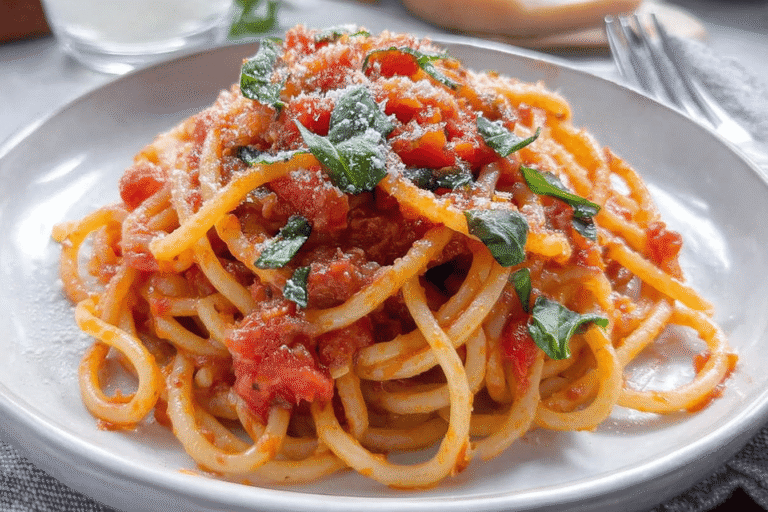
🍝 Pasta Napoletana is a classic Italian dish featuring a rich tomato sauce balanced with the fresh aroma of basil.
🌿 This recipe is perfect for those seeking a simple, wholesome meal with authentic Mediterranean flavors that come together quickly.
- Total Time: 25 minutes
- Yield: 4 servings
Ingredients
– 8 oz (220 grams) pasta (such as spaghetti, bucatini, or other short pasta)
– 1 tablespoon olive oil or extra virgin olive oil, plus more for drizzling
– 1 medium sized onion, finely chopped
– 2-3 garlic cloves, minced
– 1 can (14 oz/400 grams) canned tomatoes (whole, diced, or cherry)
– ½ teaspoon salt, plus more to taste
– ⅛ teaspoon black pepper
– 1 handful fresh basil leaves, chopped or torn
– 3 tablespoons grated parmesan cheese for serving
Instructions
1-First, bring a large pot of salted water to a boil and add the pasta, cooking it according to the package until it’s al dente this usually takes about 8-10 minutes.
2-While the pasta cooks, heat the olive oil in a pan over medium heat and add the chopped onion, cooking it until soft, around 5-6 minutes.
3-Next, stir in the minced garlic and cook for another 2 minutes until it smells wonderful.
4-Then, add the canned tomatoes along with salt and black pepper, letting the mixture simmer for 15 minutes while you break up the tomatoes with a spoon.
5-Once the sauce thickens, mix in the fresh basil just before combining it with the drained pasta, and use some reserved pasta water to keep everything moist and flavorful.
6-Finally, toss the pasta in the sauce and serve it up with grated parmesan on top.
Last Step:
Please leave a rating and comment letting us know how you liked this recipe! This helps our business to thrive and continue providing free, high-quality recipes for you.Notes
🍅 Use good quality canned tomatoes; whole peeled or diced varieties work well.
🧅 Cook onions until translucent or slightly blackened for enhanced sweetness and flavor.
🌿 Fresh basil is preferred but fresh parsley can be substituted if unavailable.
- Prep Time: 3 minutes
- Cook Time: 22 minutes
- Category: Main Course
- Method: Boiling, sautéing, simmering
- Cuisine: Italian
Nutrition
- Serving Size: 1 serving
- Calories: 324 kcal
- Sugar: 7 g
- Sodium: 599 mg
- Fat: 8 g
- Saturated Fat: 3 g
- Carbohydrates: 51 g
- Fiber: 4 g
- Protein: 13 g
- Cholesterol: 10 mg